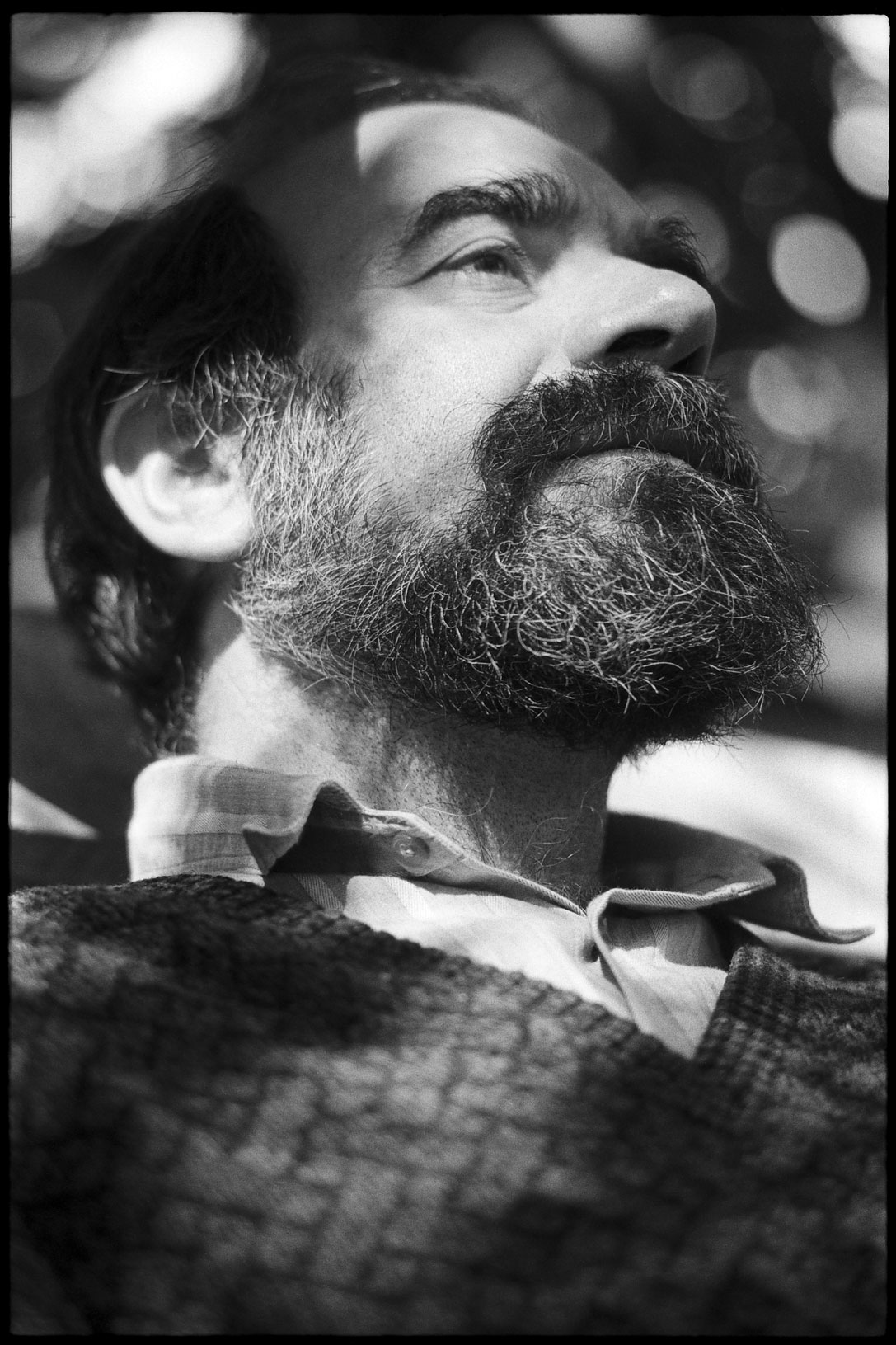
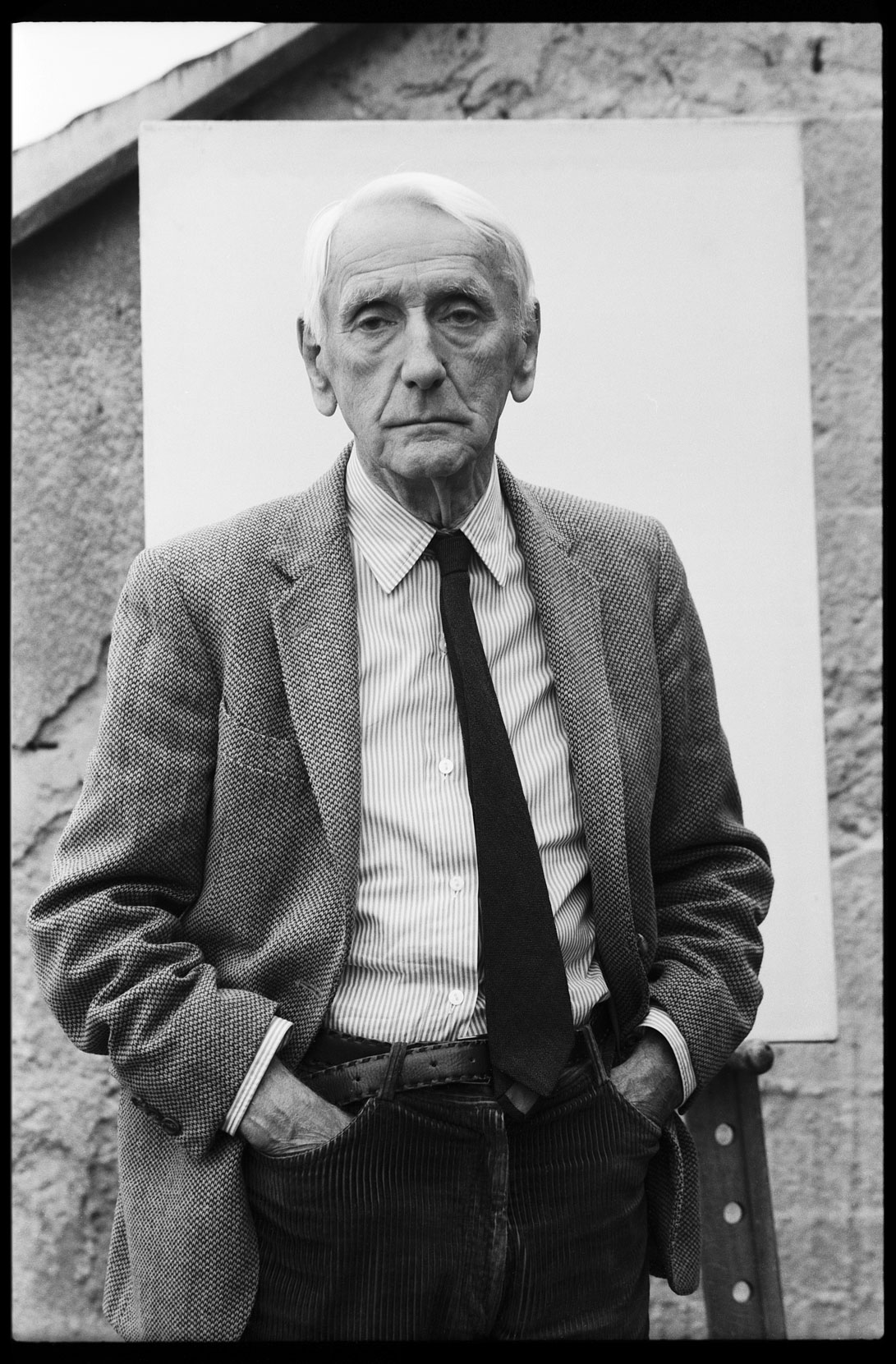
Portraits of the Artists 1990 – 1995
Illusion of the Portrait
Whether capturing the full figure or the human head, Darko Bavoljak concentrates expressive force on the enigmatic anatomical territory of the face, inscribing it in a distinctly personal visual system. His imagery suggests a tension between con-frontation and exposure, but also a process of renewal: focused on a body–face configuration that is layered and carefully arranged, fragmented through free associations, dissected and analytically examined, yet simultaneously reassembled, and enriched with character nuances and multifaceted allusions.
The human face is capable of approximately three hundred mimetic expressions. Behind this mimicry – expressed through play, movement, acting, and pantomime – there lies an entire spectrum of intentions: meaning and absurdity, fulfilment and emptiness, longings and desires, smiles and joys, tears and scents, anger and fury, perversions and repulsion, hunger and satiety, psychological profiles, forensic markers and racial distinctions, sexual attraction and aversion – everything that inevitably registers on the face. Furthermore, these include love and despair, aggression and fear, disgust and impulse, affection and hatred, childlike openness, the beauty and exhilaration of youth, and the wisdom of age; cynicism and irony, mockery and insult, pleasure and satisfaction, intoxication and hallucination, health and illness, honesty and pretence – beauty and ugliness, the visible and hidden aspects of bodily expression, with or without sound, like a silent film or death itself, equally silent. All of this is distributed across the human form according to a naturally attuned scale of feeling, traced over the spatial, three-dimensional oval of the face: from the crown and hair, across the forehead, the eyes separated by the nose, the ears defining the outline, the cheeks and lips, down to the chin and neck. What escapes our perception, or remains only partially visible, can be reconstructed by introducing a fourth dimension – time. This is how Darko, through his photographic process, recreates, shapes, and illuminates the scene: transforming it into a visual sediment of interwoven yet balanced psychological tensions. The invisible gradually solidifies into a visible face.
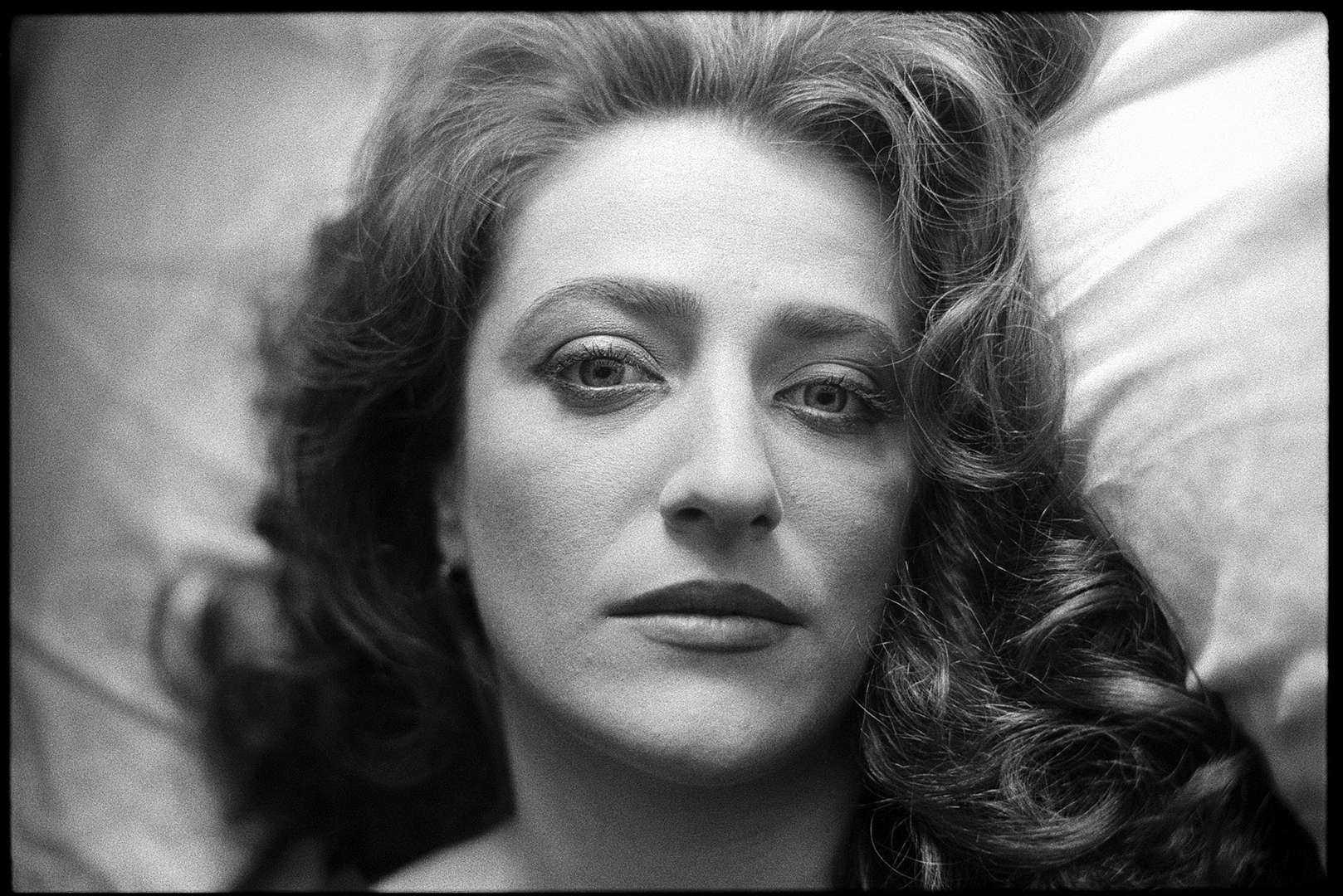
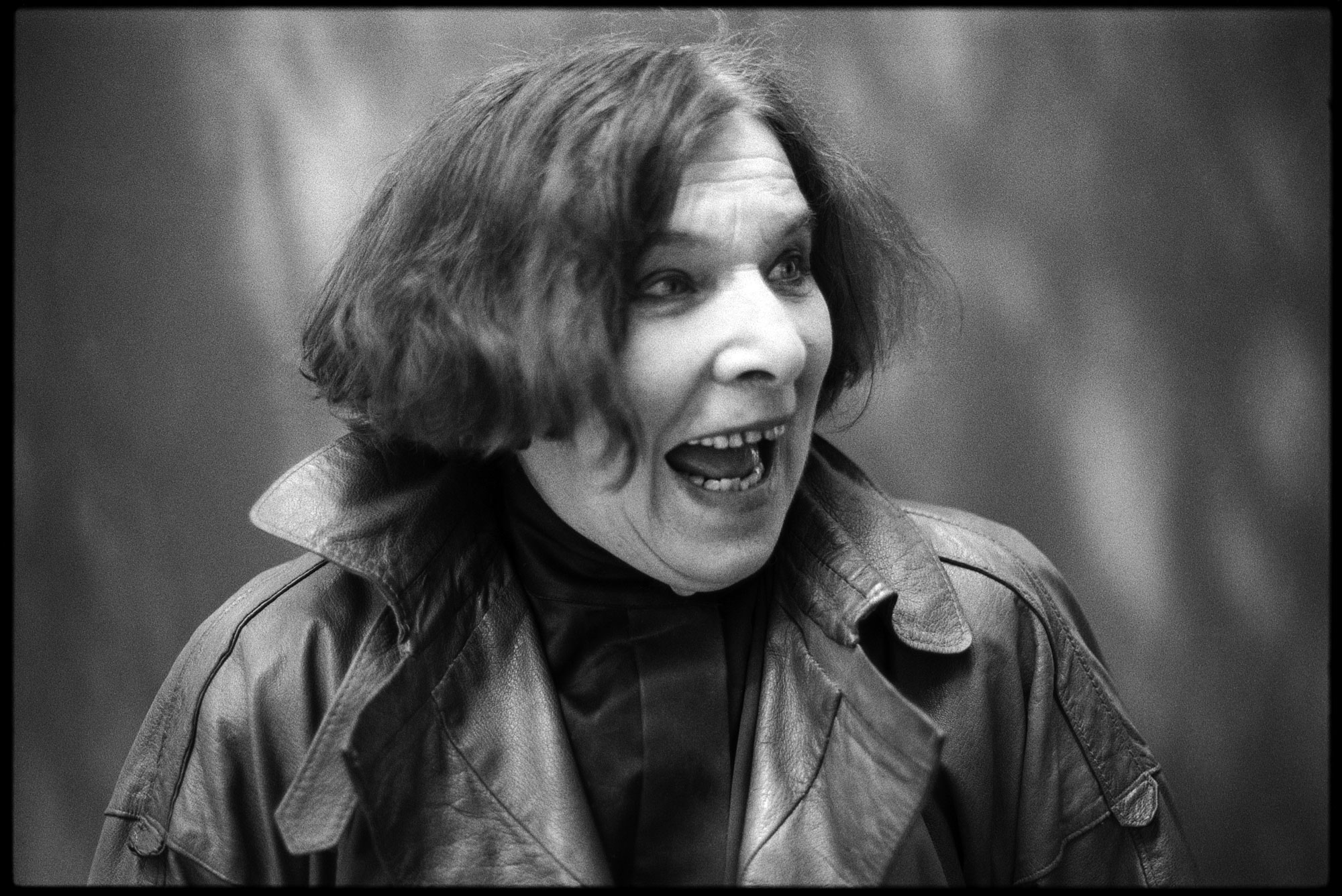
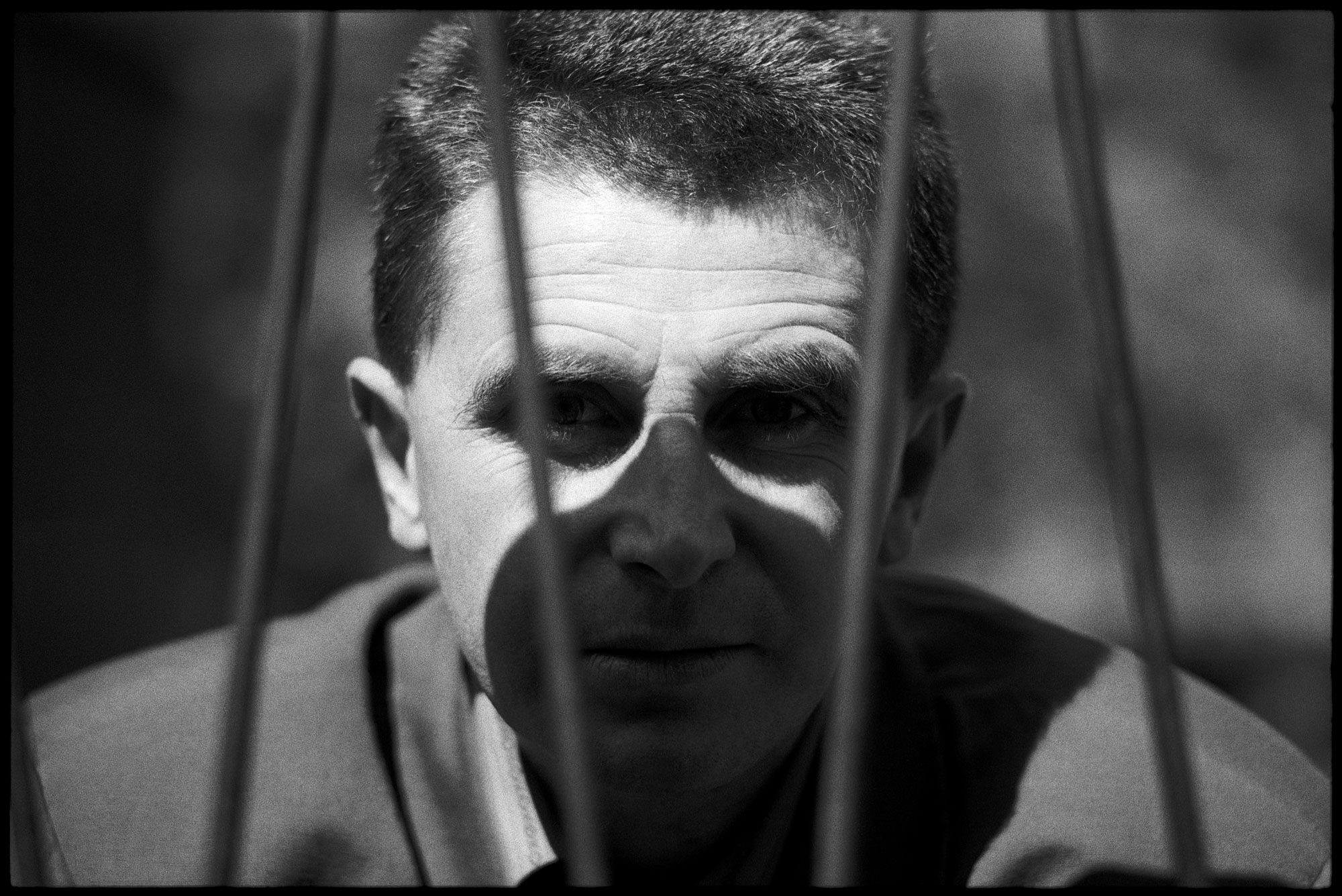
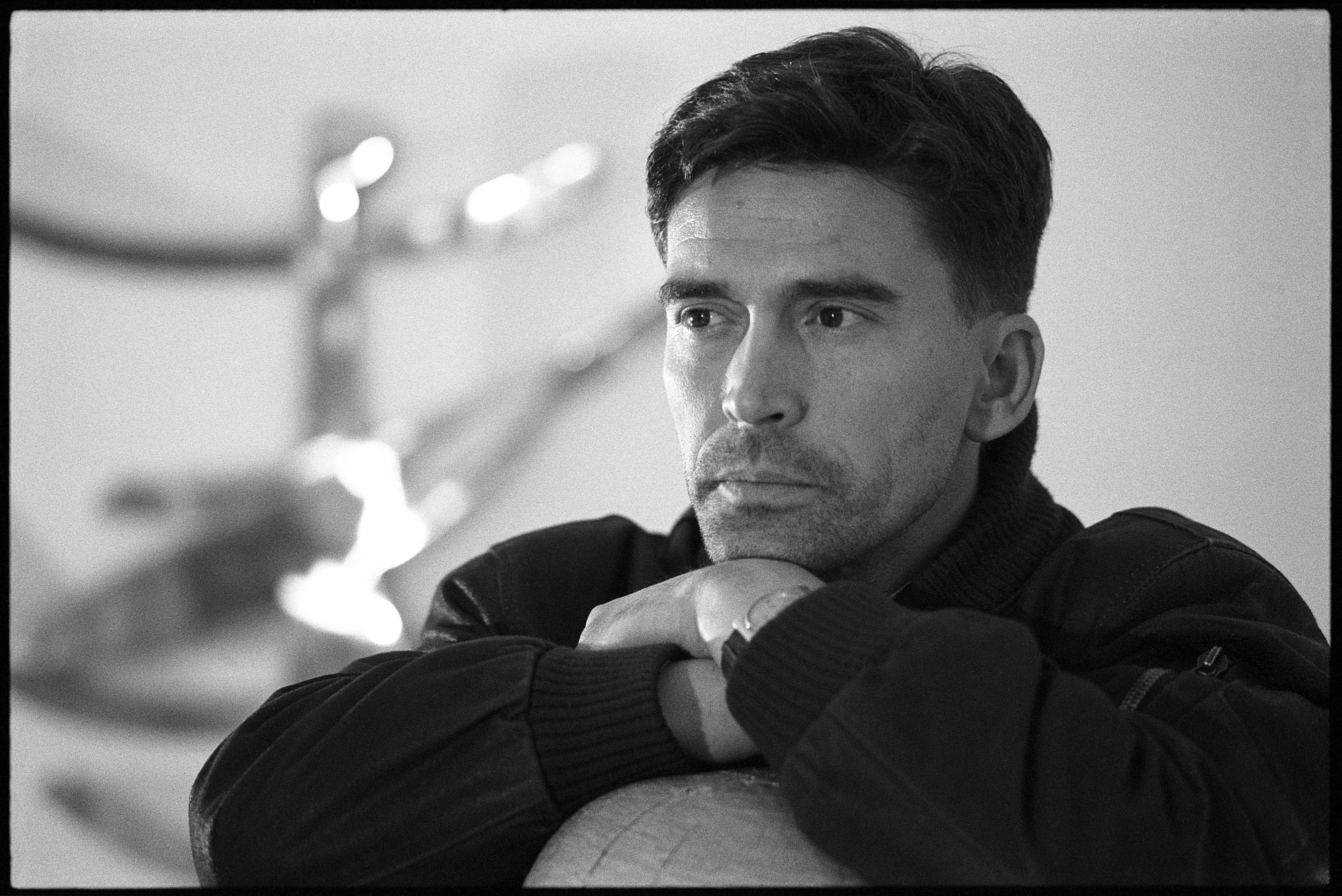
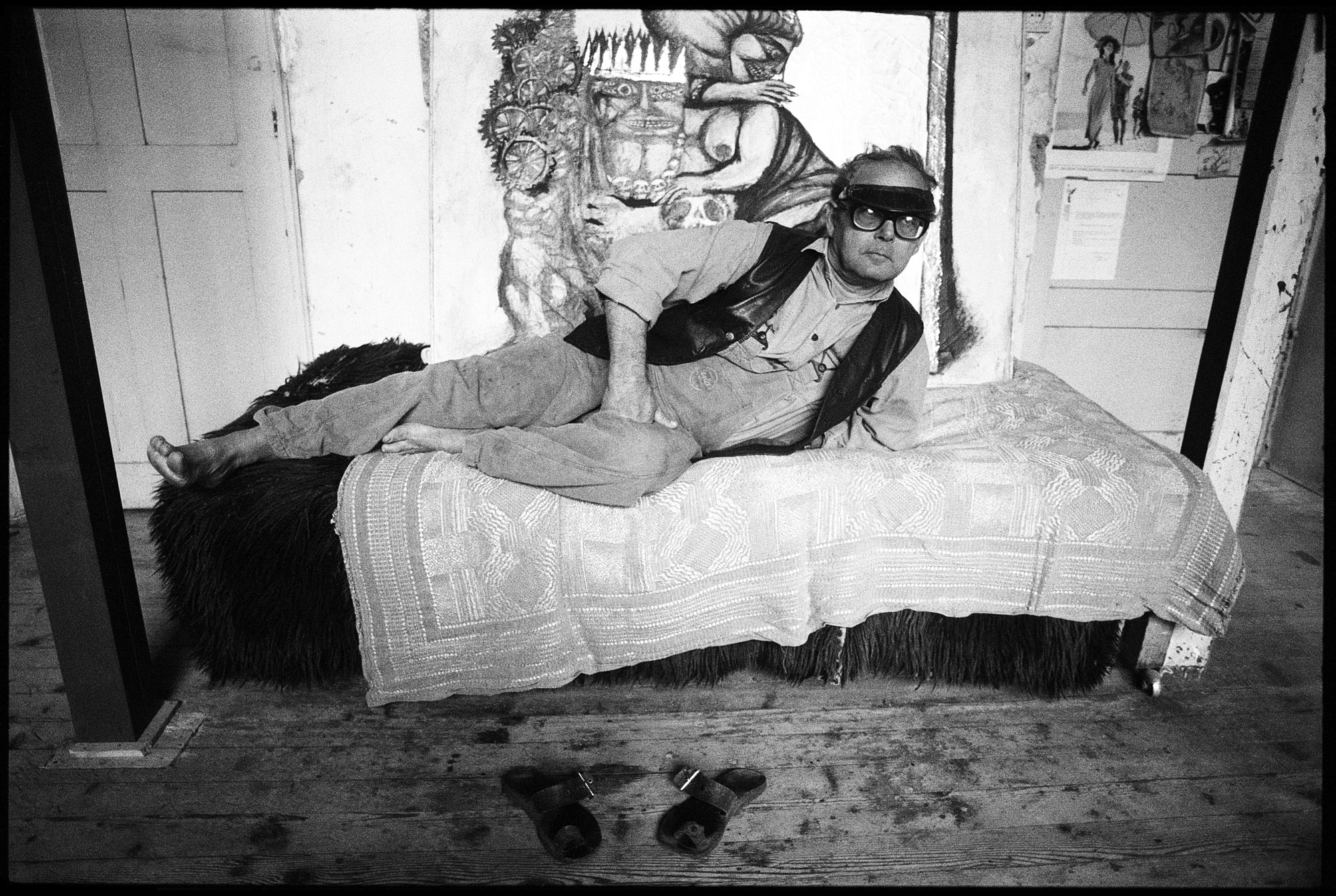
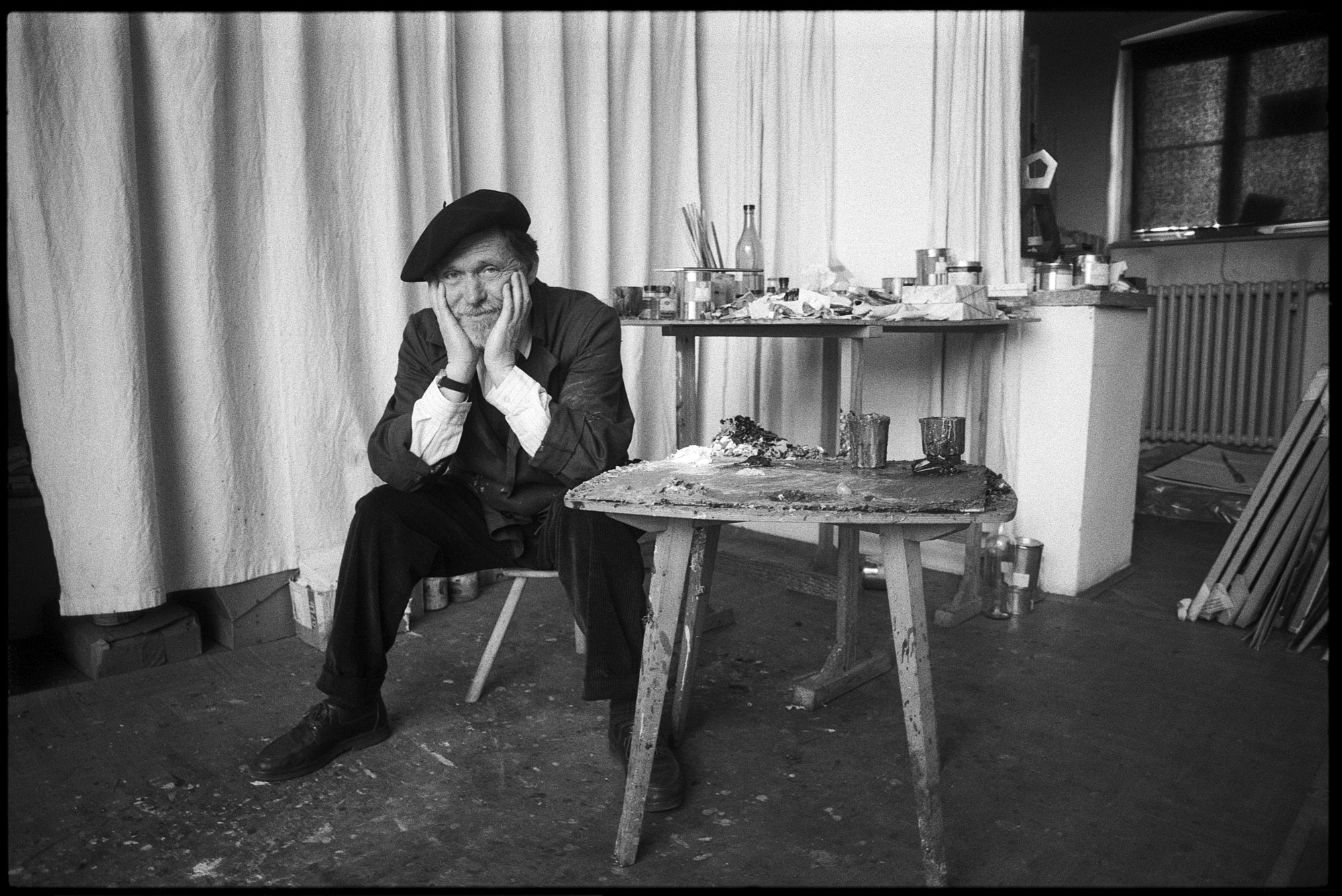
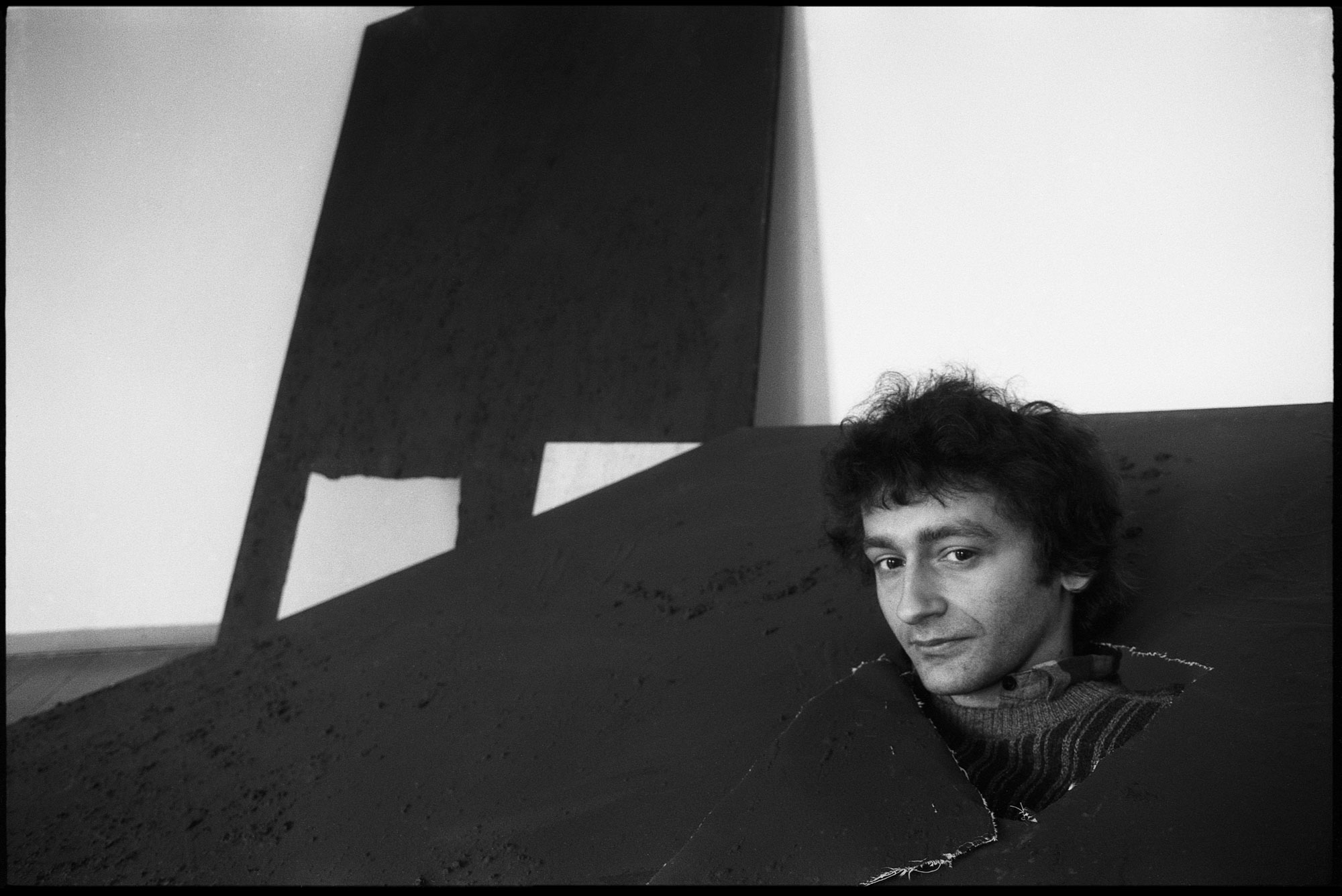
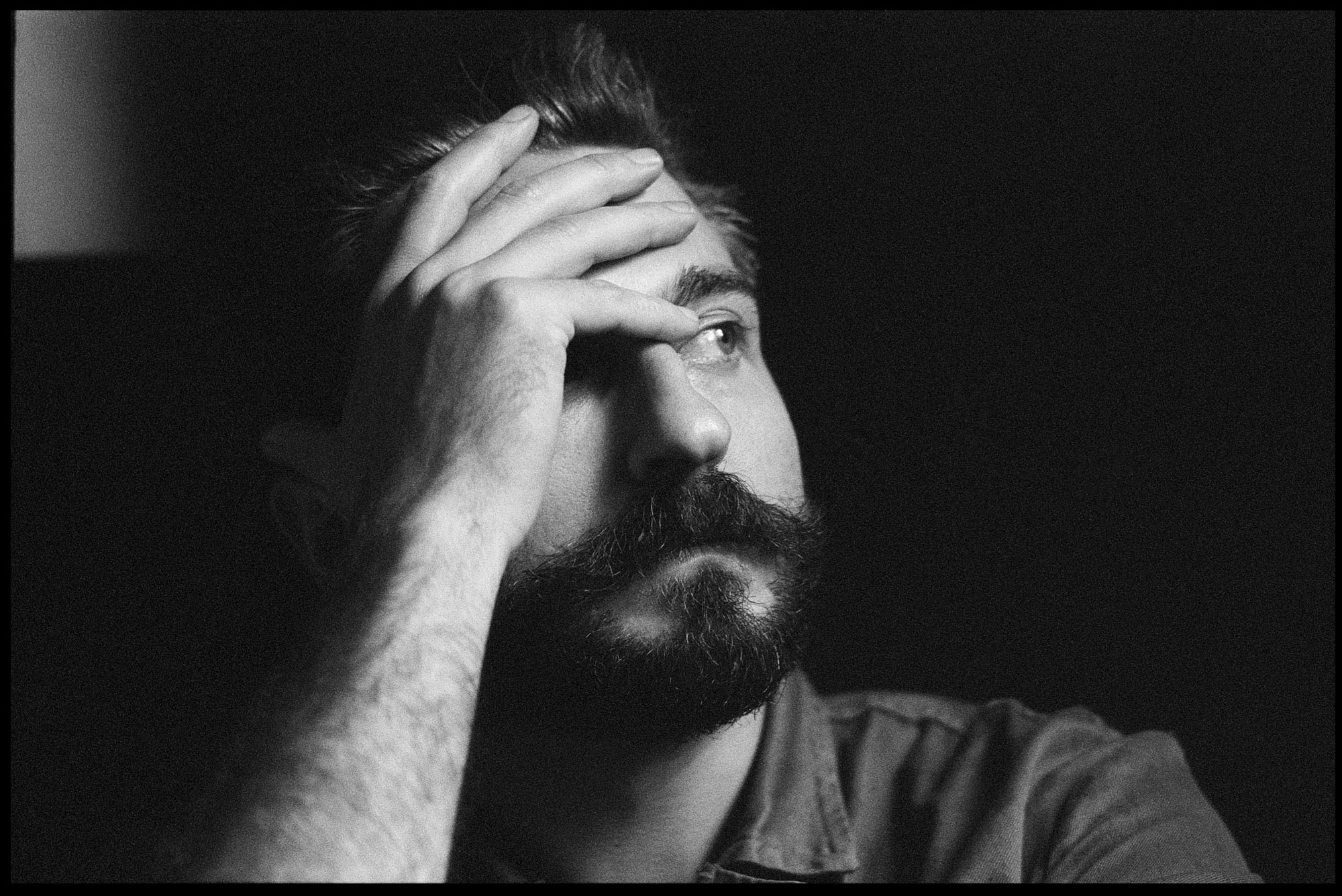
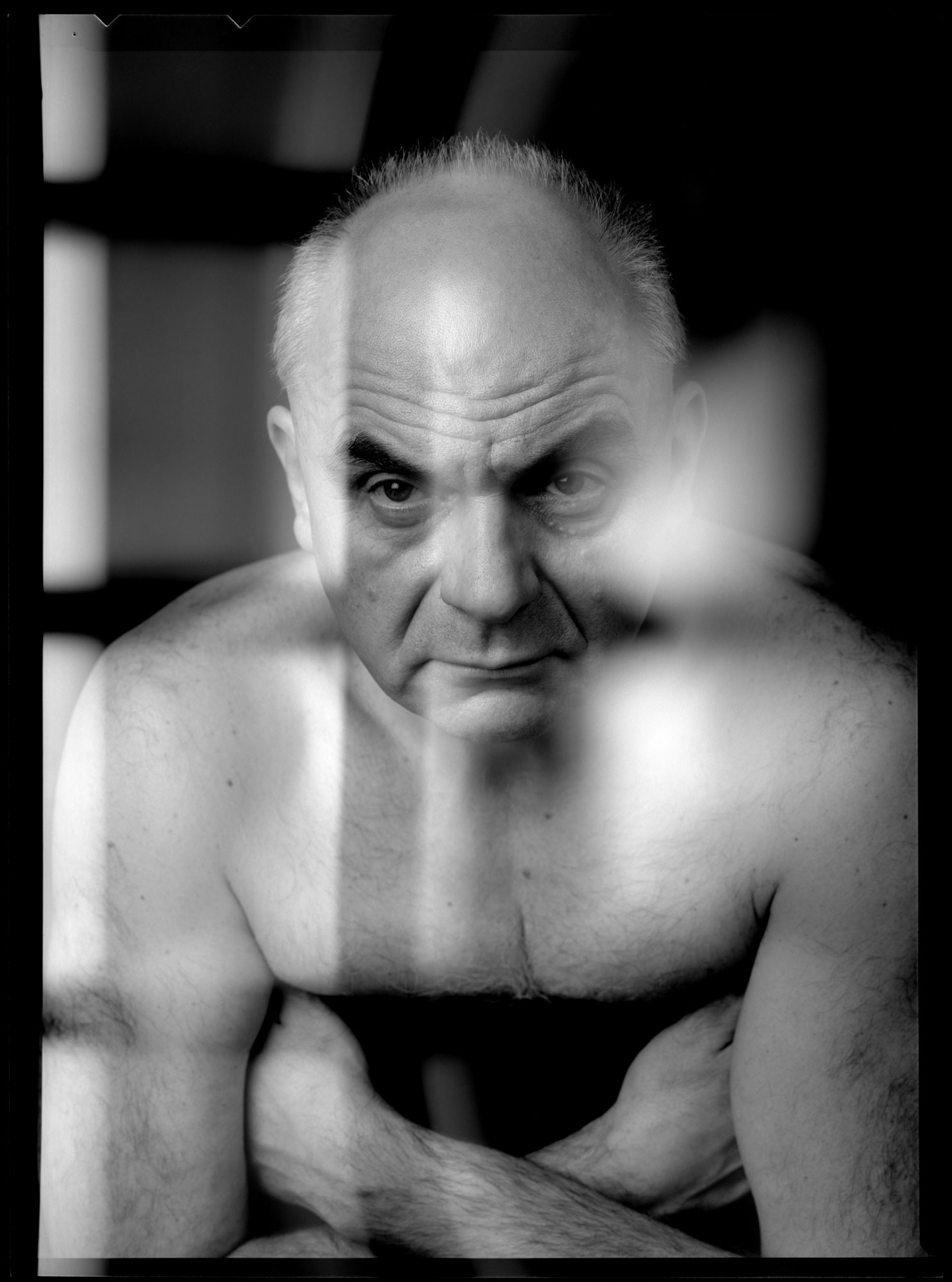
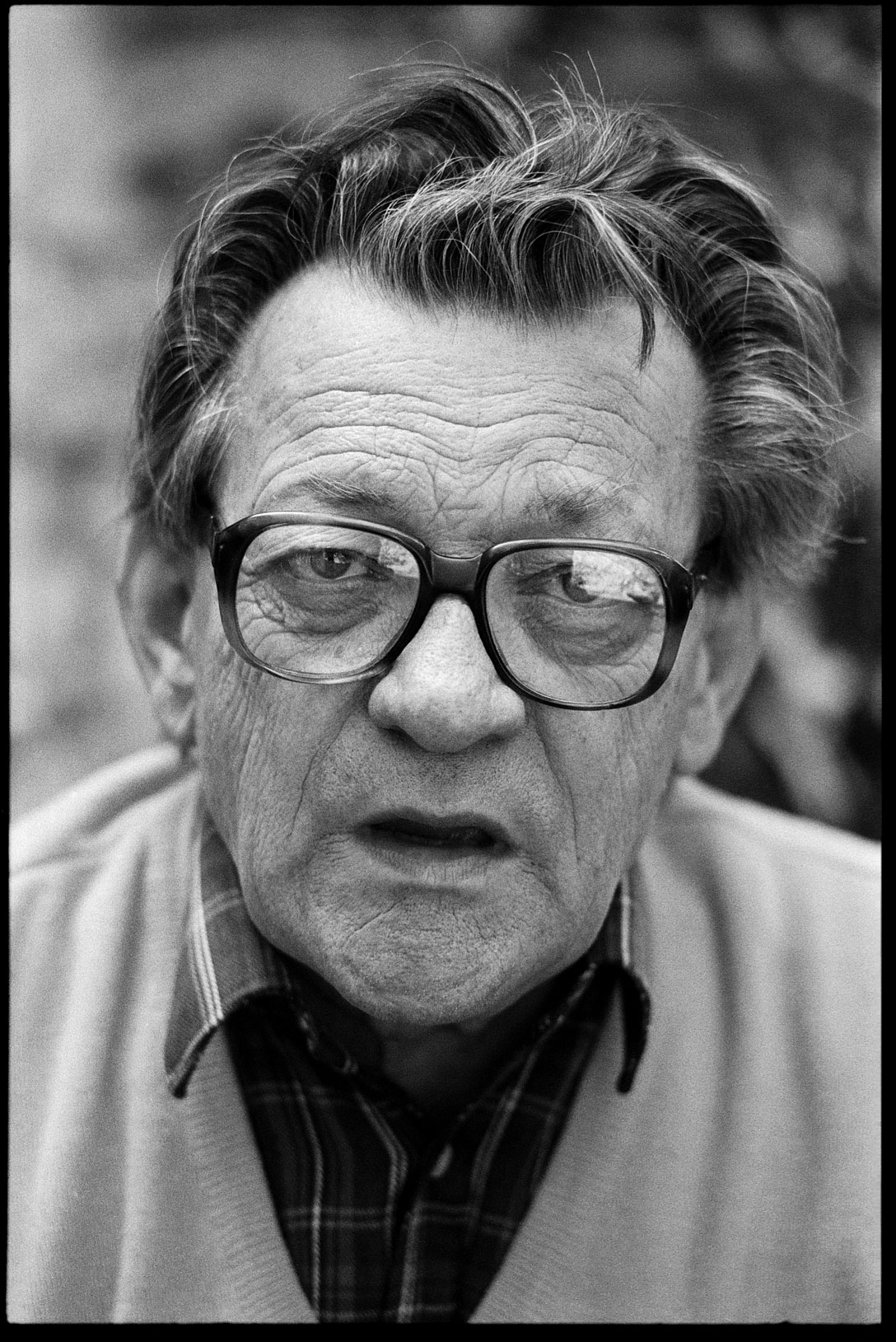
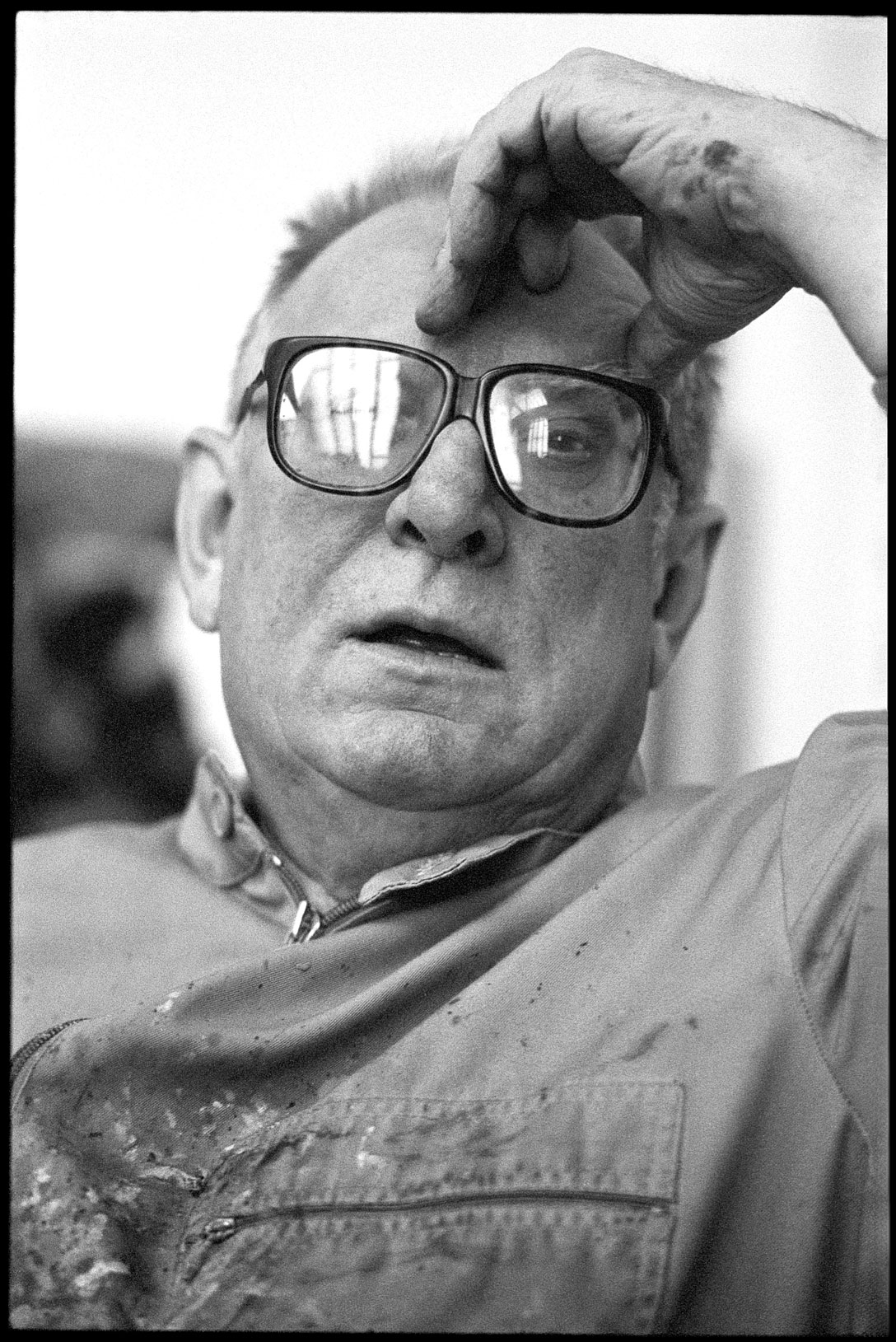
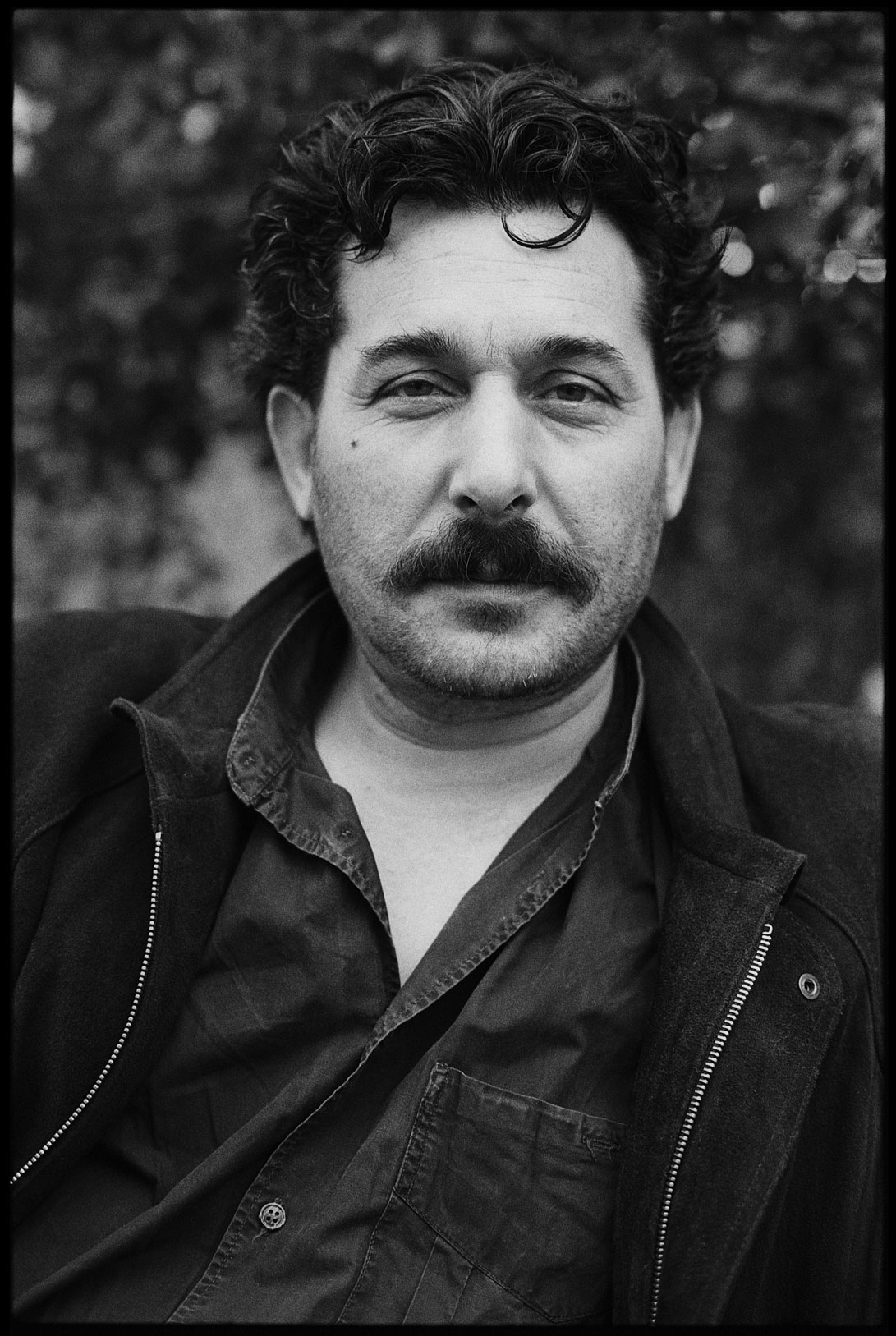
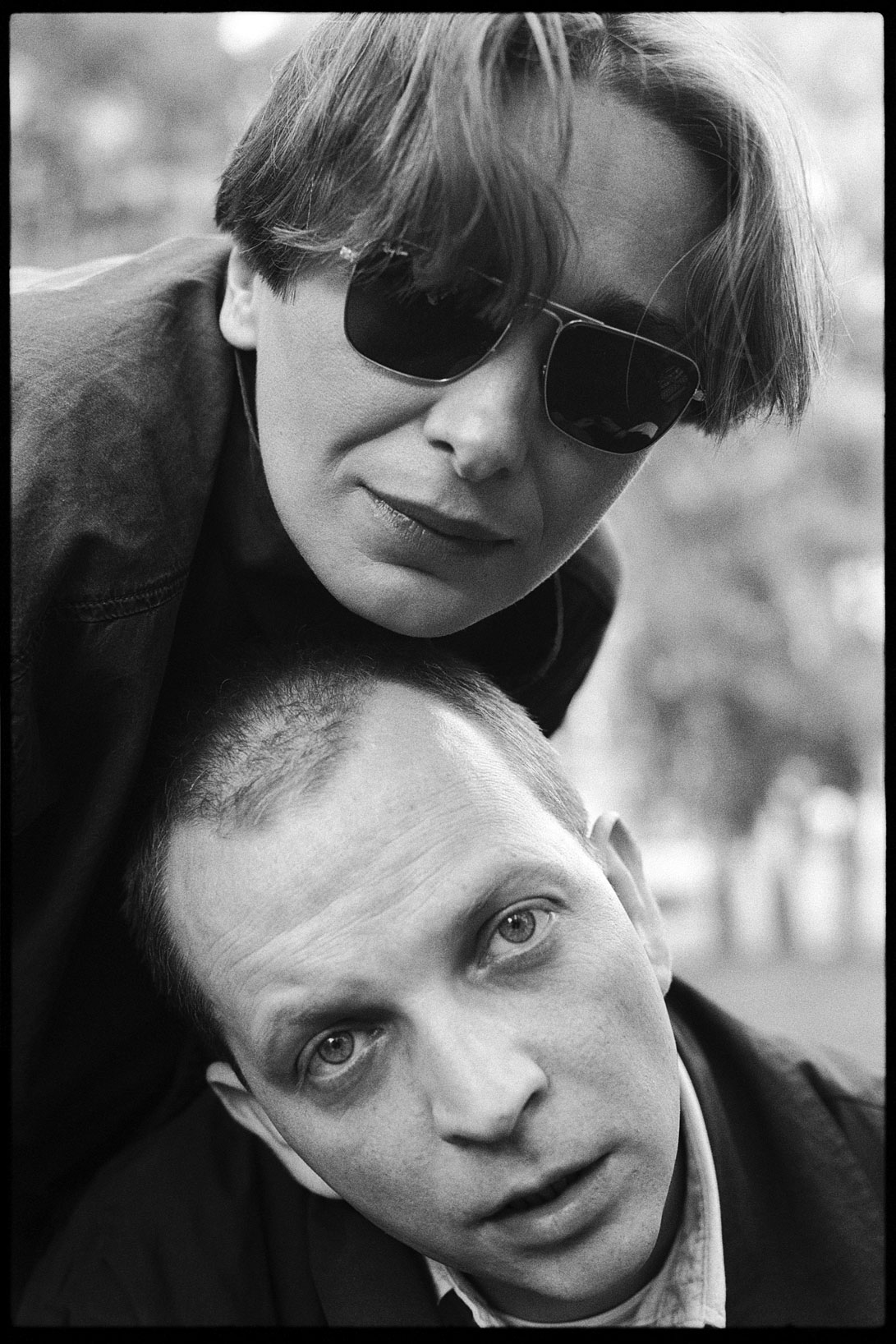
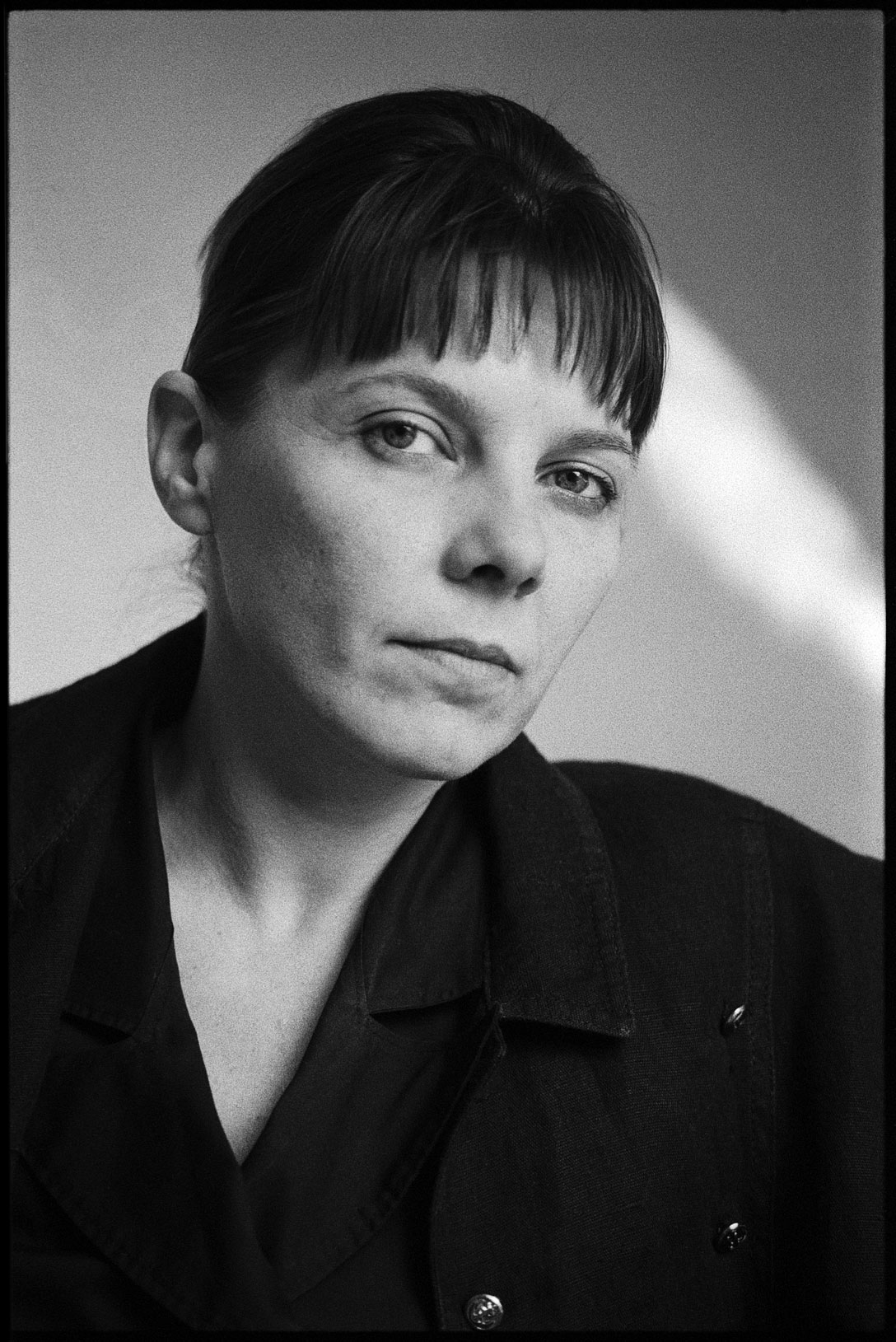
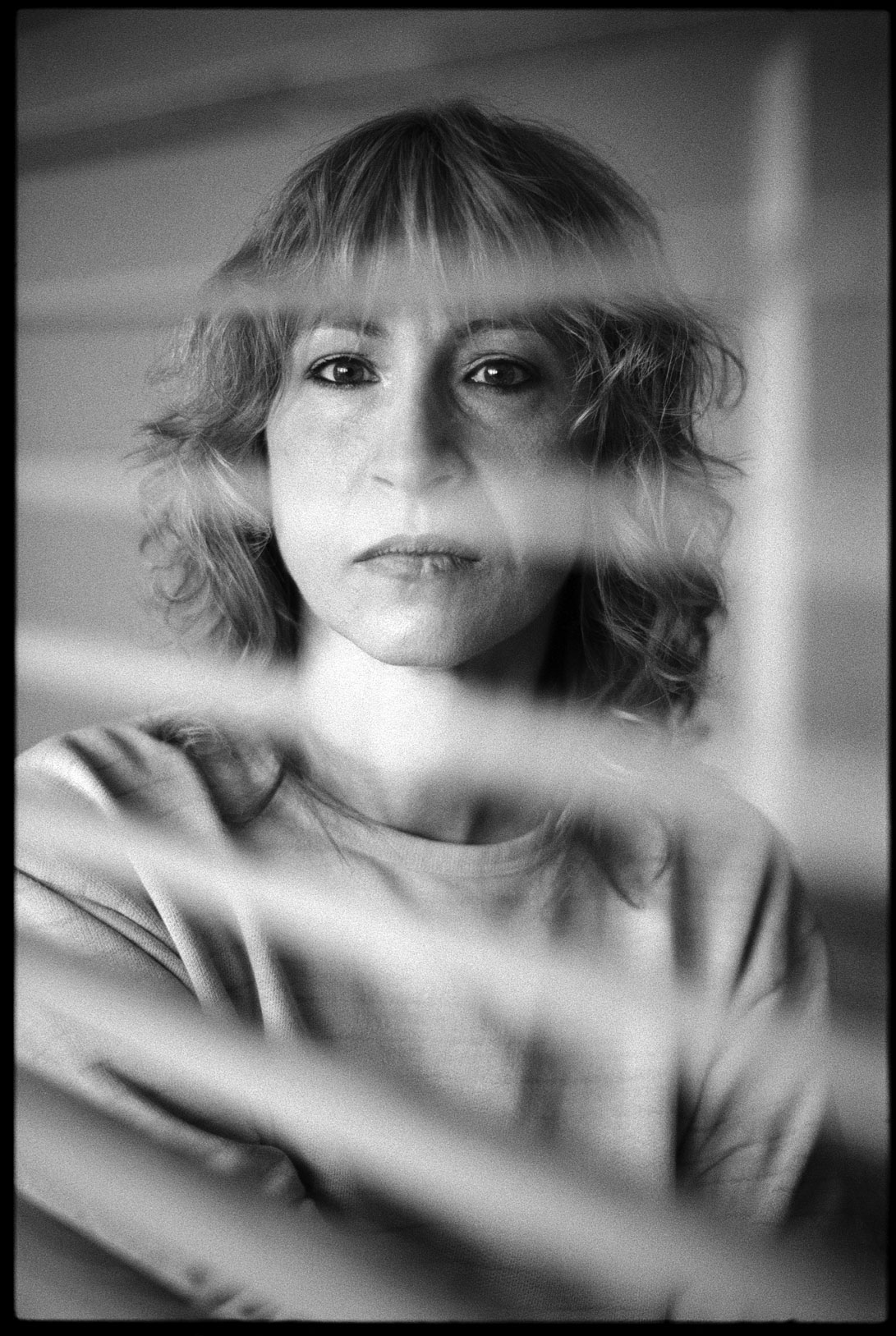
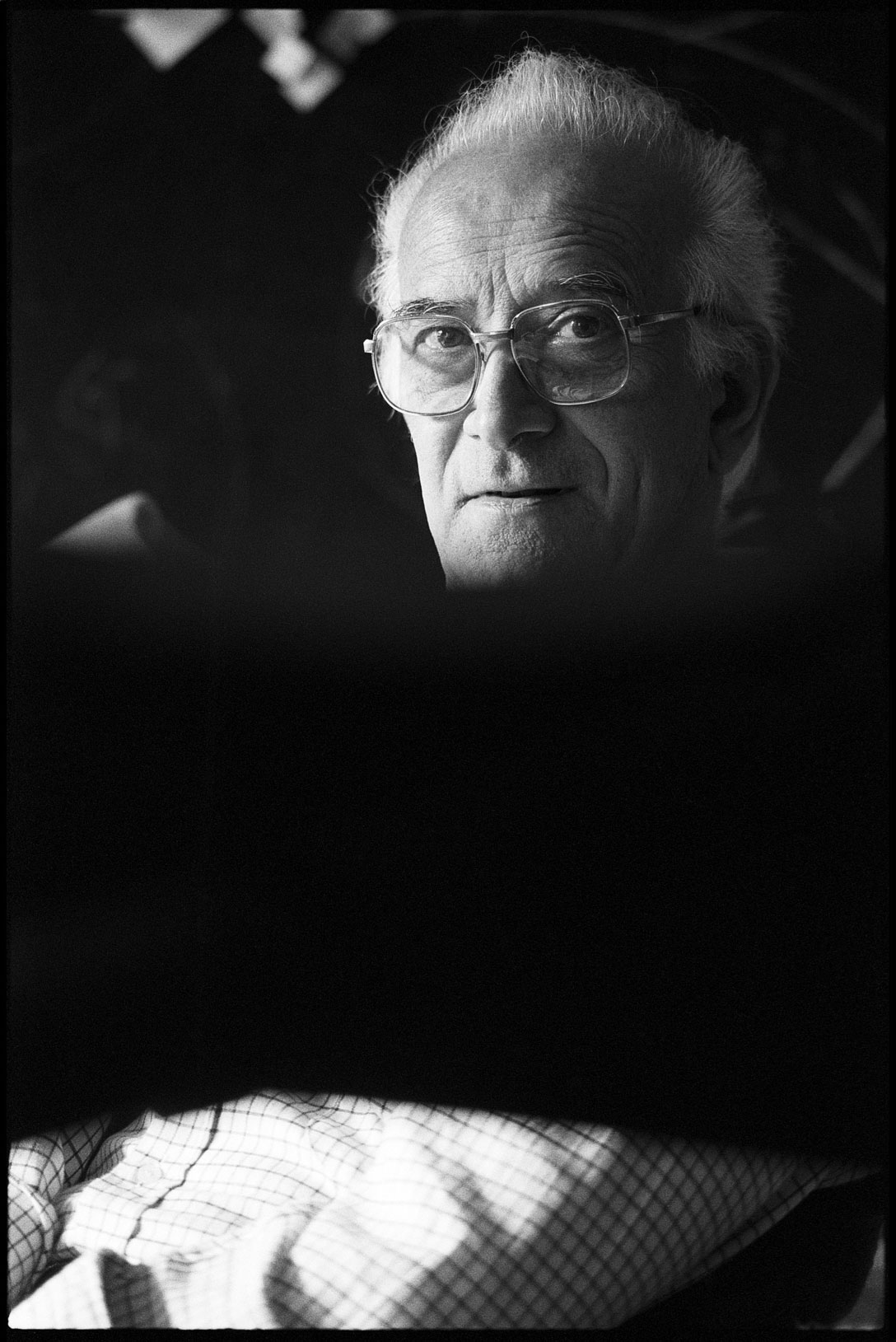
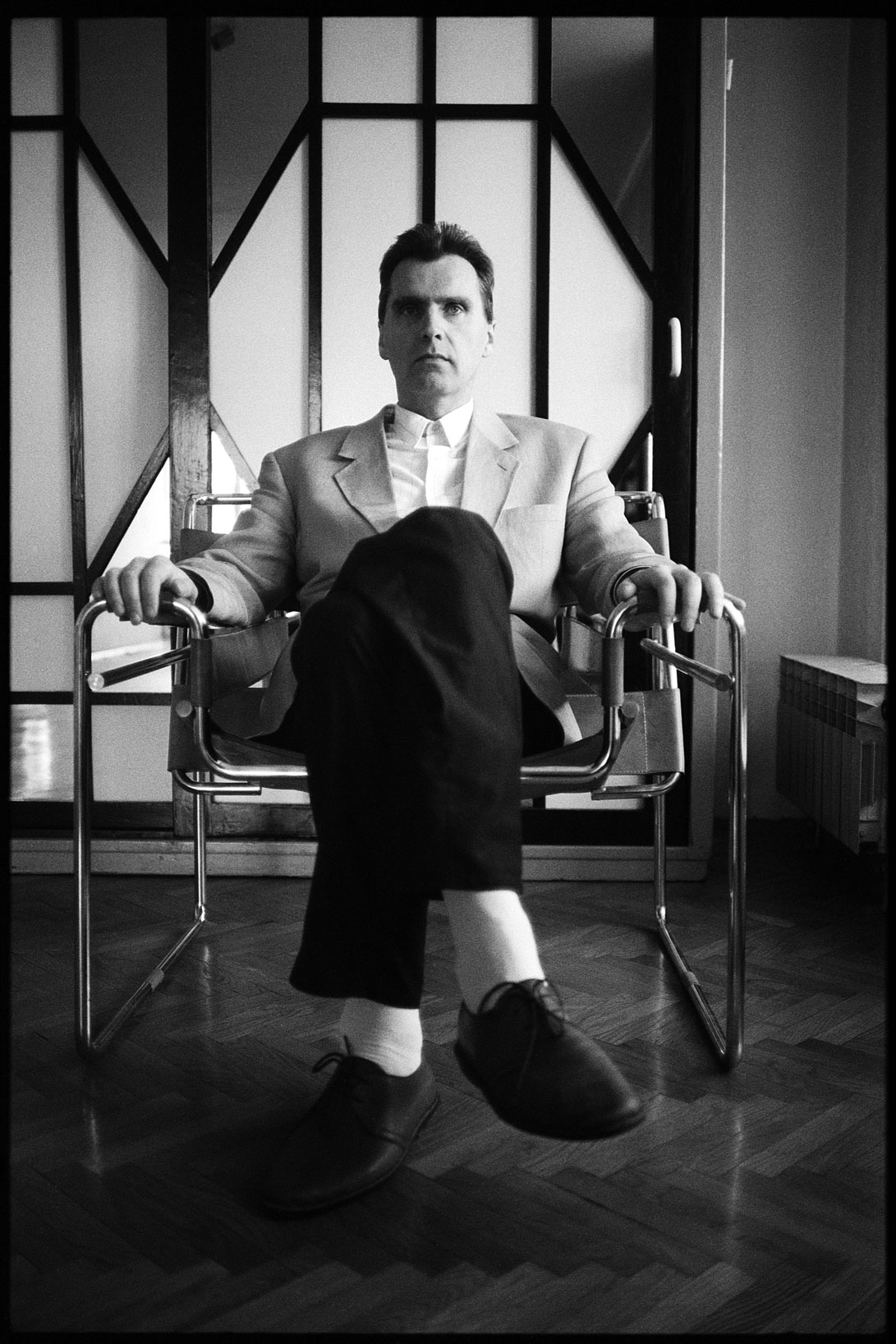
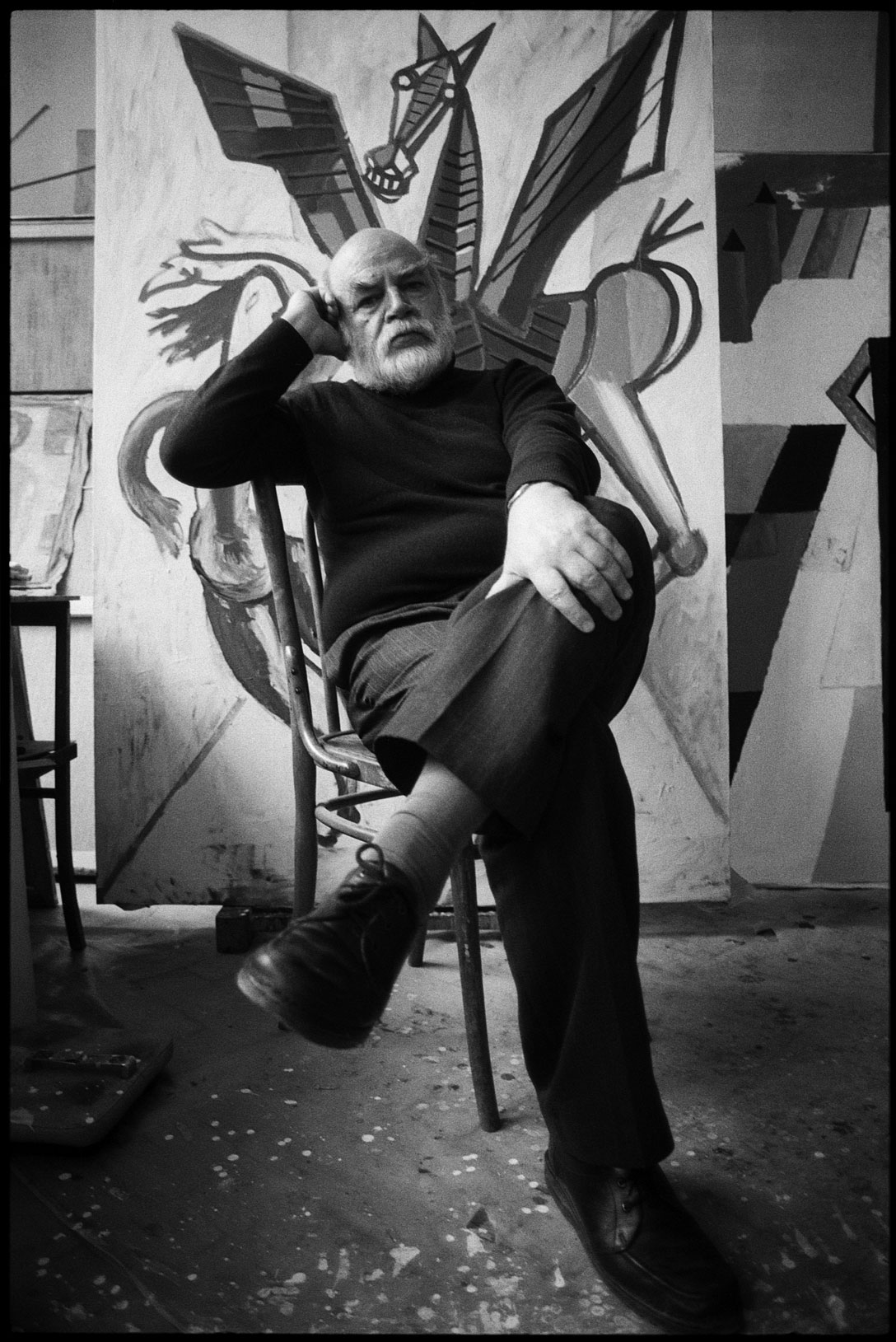
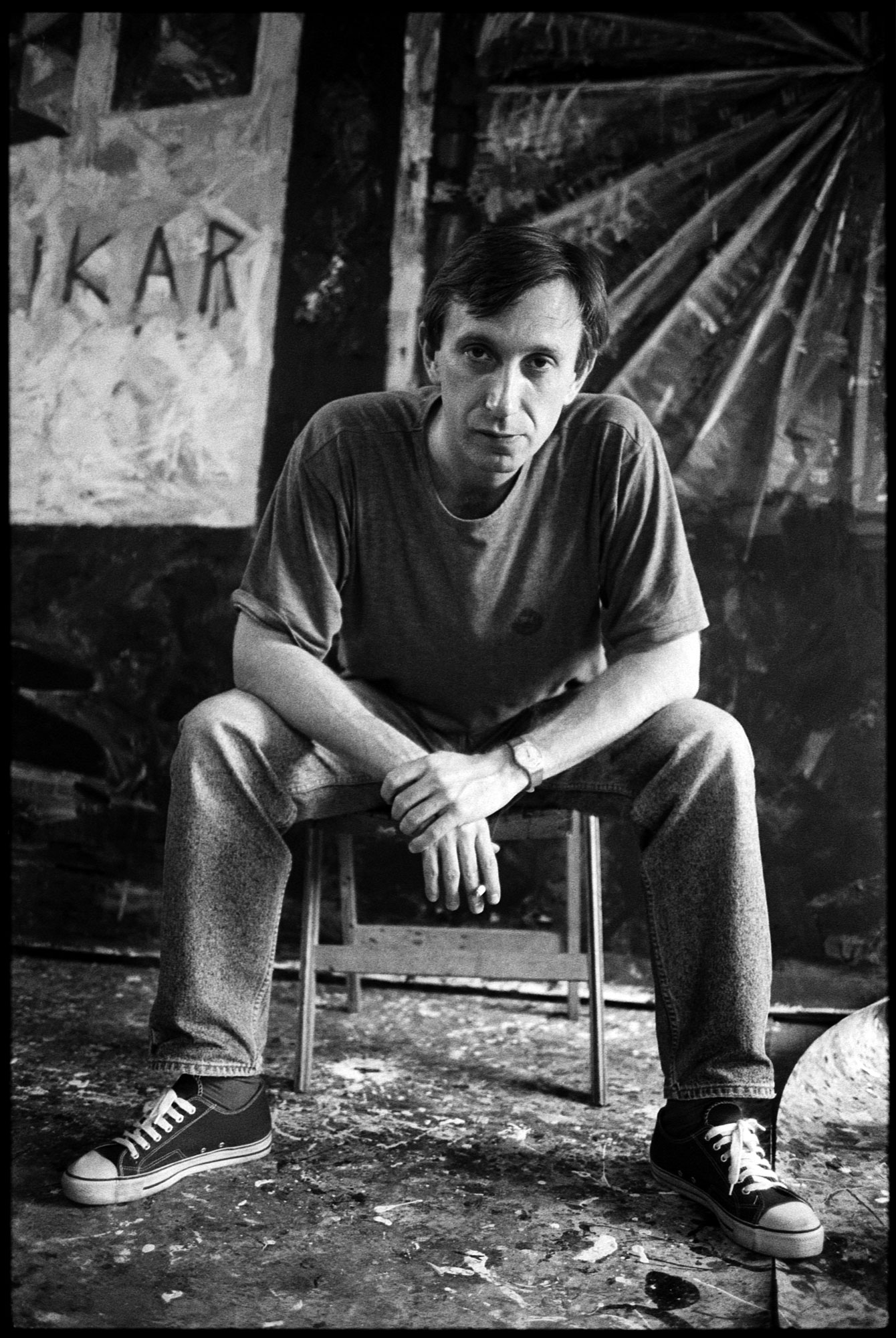
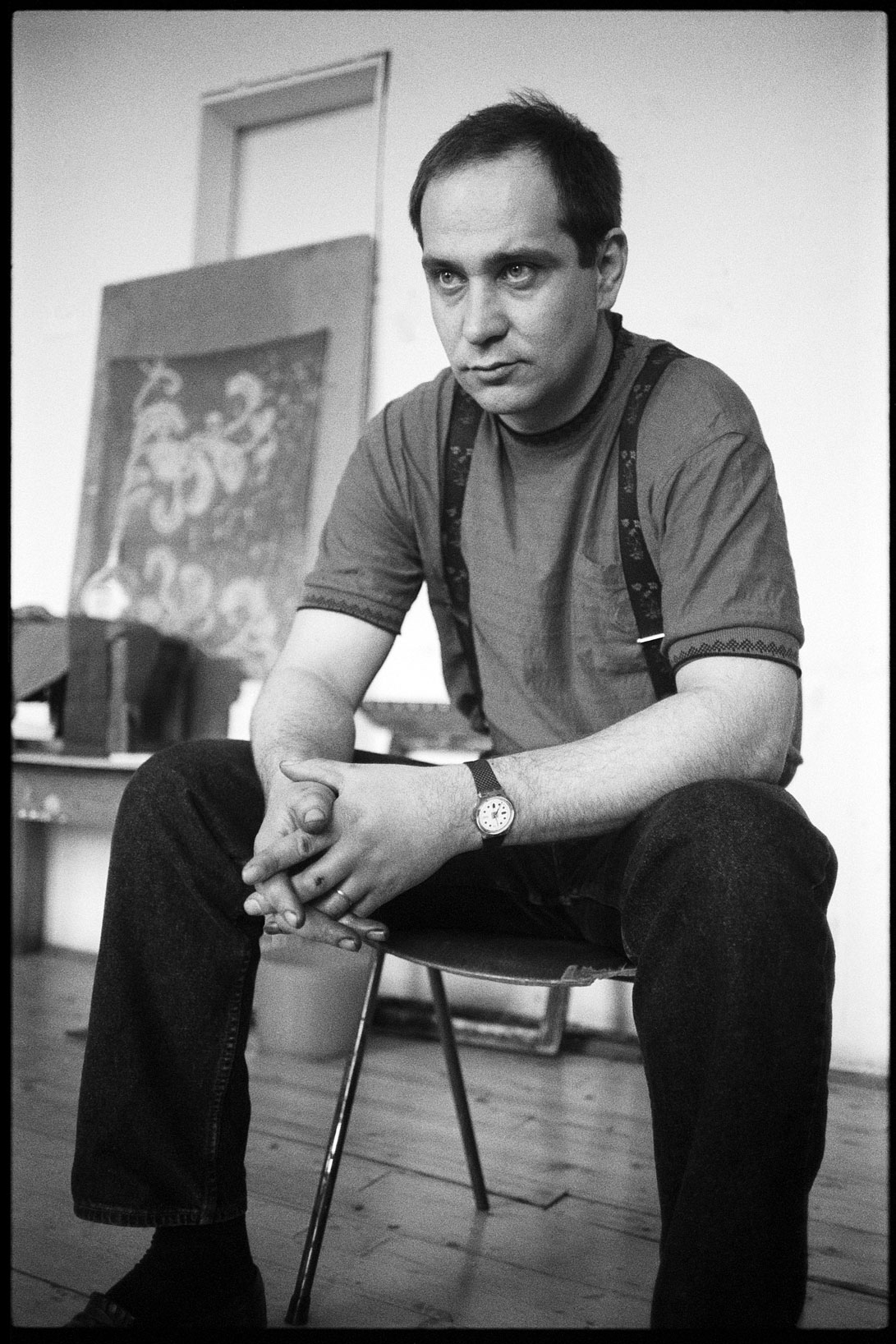
Within the artist’s material-optical, almost tactile, glassed kaleidoscope, consciousness, the subconscious, and faint impulses from the depths of the unconscious merge, giving form to archaic images and primordial states. They rise toward the smaller, illuminated thresholds of human consciousness, only partially accessible to reason. Through his photography, Darko Bavoljak not only reconstructs his own perception but also evokes the inherent magic of the scene. In this process, he seeks to capture and symbolically convey the artist’s psychology, achieving this through a striking immediacy. This is further demonstrated by his continual redefinition of personal preconceptions. Beyond his keen focus on faces and gazes, a rich itinerary of visual-cultural experiences emerges: encounters with otherness – those in whom we may see ourselves, those with whom we clash through prejudice, or those from whom, despite natural similarities, we differ. Interpreting the artist’s dense semiotic sublimations through the psychological symbolism of humanity is always challenging, as they point to what resembles signs, but also to that which differs from what we see, encompassing both the visible and the elusive. Each photographic visualisation invites a personal, individual interpretation. Are we shaped by genetics and DNA, by the glances we cast and those we receive, gift or frustration, by brain structures, language, family, upbringing and education, social hierarchy, money and material goods, divine design or evolutionary necessity, art and play, religion or science, curved space-time, or the unfathomable (lack of) meaning of the universe? As members of the same species, we all desire something – and it is possible that even our desires are conditioned and learned. Photographic art reveals this to us. While the relationship between seeing and knowing is never fully resolved, it is vision itself that fundamentally shapes our engagement with the world. What stands out? The cinematic beauty of Ksenija Turčić, the intellect of Edo Murtić, the composed poses of Peruško Bogdanić, the perceptive, direct gaze of Željko Kipke, shadowed across the face behind bars, the elegance of Dalibor Martinis, the naturalistic atmosphere in scenes with Ivan Lesiak – or something entirely different – each portrait must be selected and interpreted individually. Between the two central photographic poles: the positivist-documentary-demystifying approach, which analyses and reveals reality, and the illusionistic approach, which seeks ever-greater parallels between worlds and virtual reality, one may choose either path or compose a work founded on the unity of diversity.
Darko Bavoljak embraces the latter principle, the illusion of the photographic image, enhanced by a secondary, compelling surplus of value gained from his choice of subject and motif. He photographs artists as human beings in their own right. By concentrating on their faces, he produces a portrait of the artistic type as a whole. His photographic images – in the truest sense – also function as representations of imago, through which we first experience the world in pictures with the aid of memory, later imbuing them with a physical dimension. They possess a refined and unobtrusive, even restrained, psychological aesthetic: conveying the eternal vision of the artist, captured, brought near, and isolated by the lens, revealing the divine spark and fragment of life that lies beyond the mimesis of what is seen. Darko Bavoljak photographs artists. His gaze is oblique – slightly offset, marginal – making visible what would otherwise remain hidden, or simply unseen. In today’s accelerated virtualisation of reality, everything is already equally susceptible to slipping into the invisible.
Željko Marciuš
22 black and white photographs, 50,8 x 61 cm, Ilford MG IV Multigrade IV RC DE LUXE
silver gelatine
Camera: Olympus OM 1n, OM 2n,
Property: National Museum of Modern Art Zagreb