Suspended Space
Almost a hundred years before the publicly acknowledged invention of photography, an English visionary named Thomas Wedgwood experimented with the idea of recording and arresting an image of reality through chemical processes, hoping in this way to copy and preserve the works of painters whom he had so wholeheartedly supported during his lifetime. By coating white tanned leather with silver nitrate, he succeeded in creating a surface sensitive enough to serve as a suitable medium for imprinting reality. And what did Wedgwood print first? According to the description of his friend, the chemist Humphry Davy, it was botanical material leaves and flowers the first motifs to appear in that strange optical-chemical reaction.
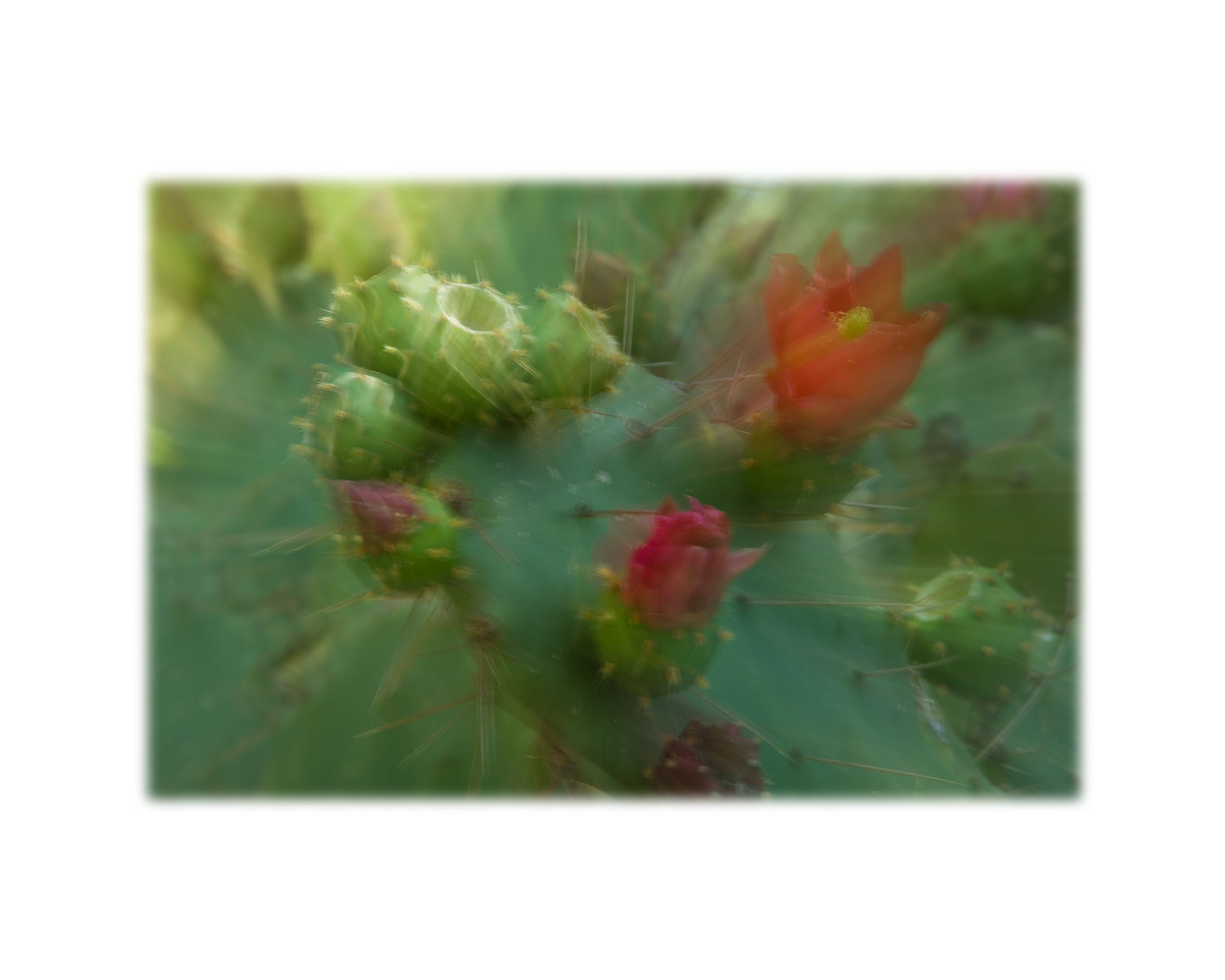
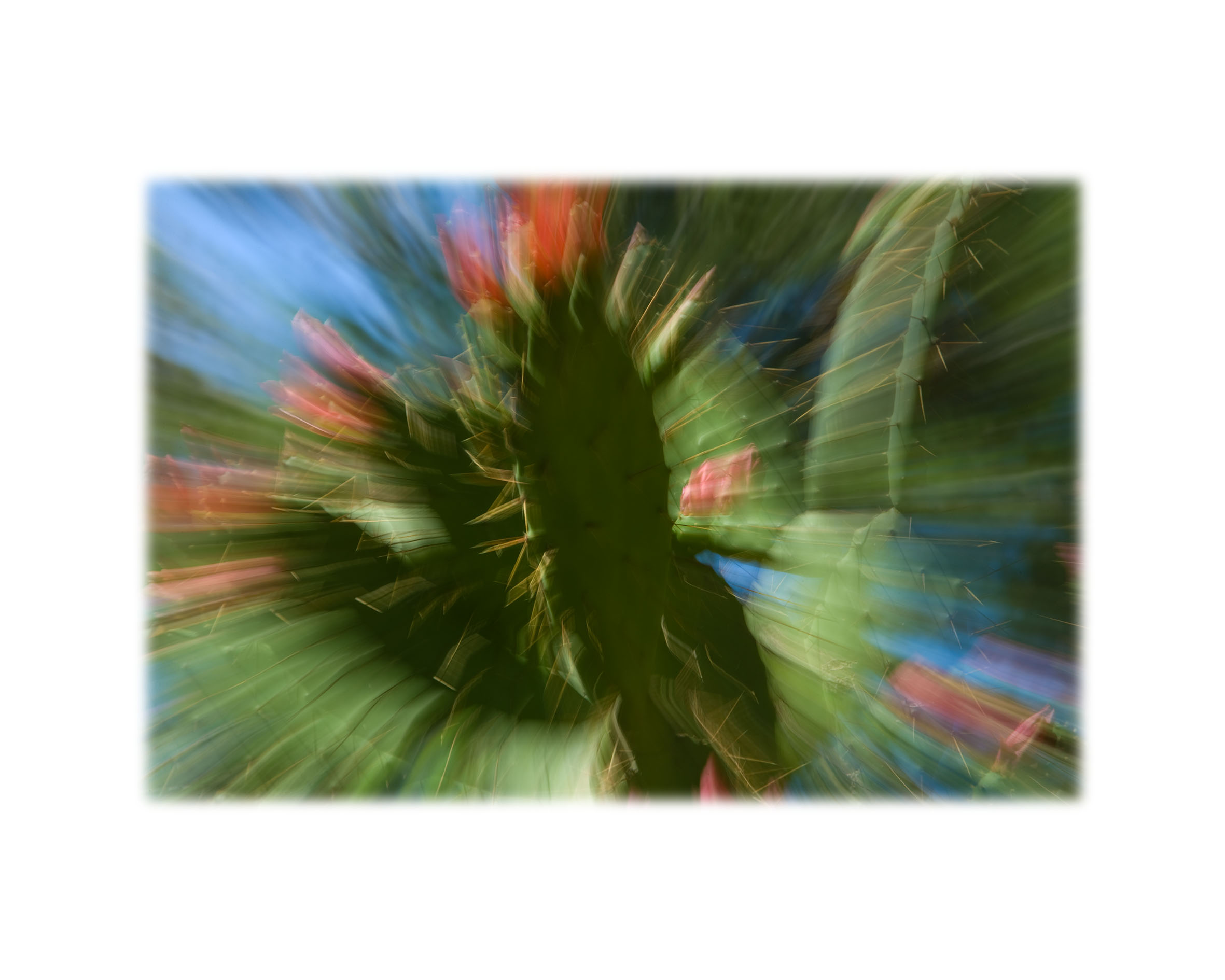
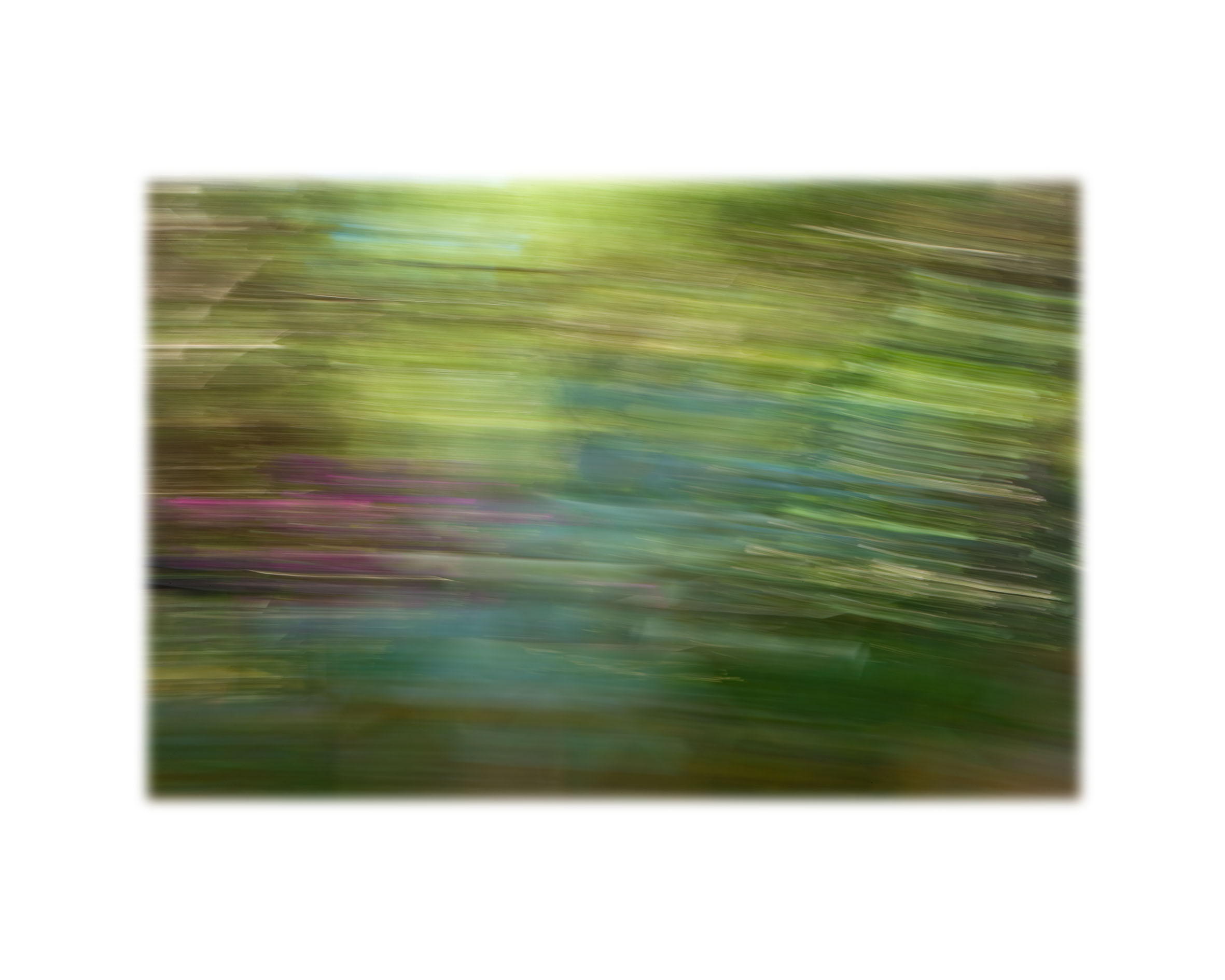
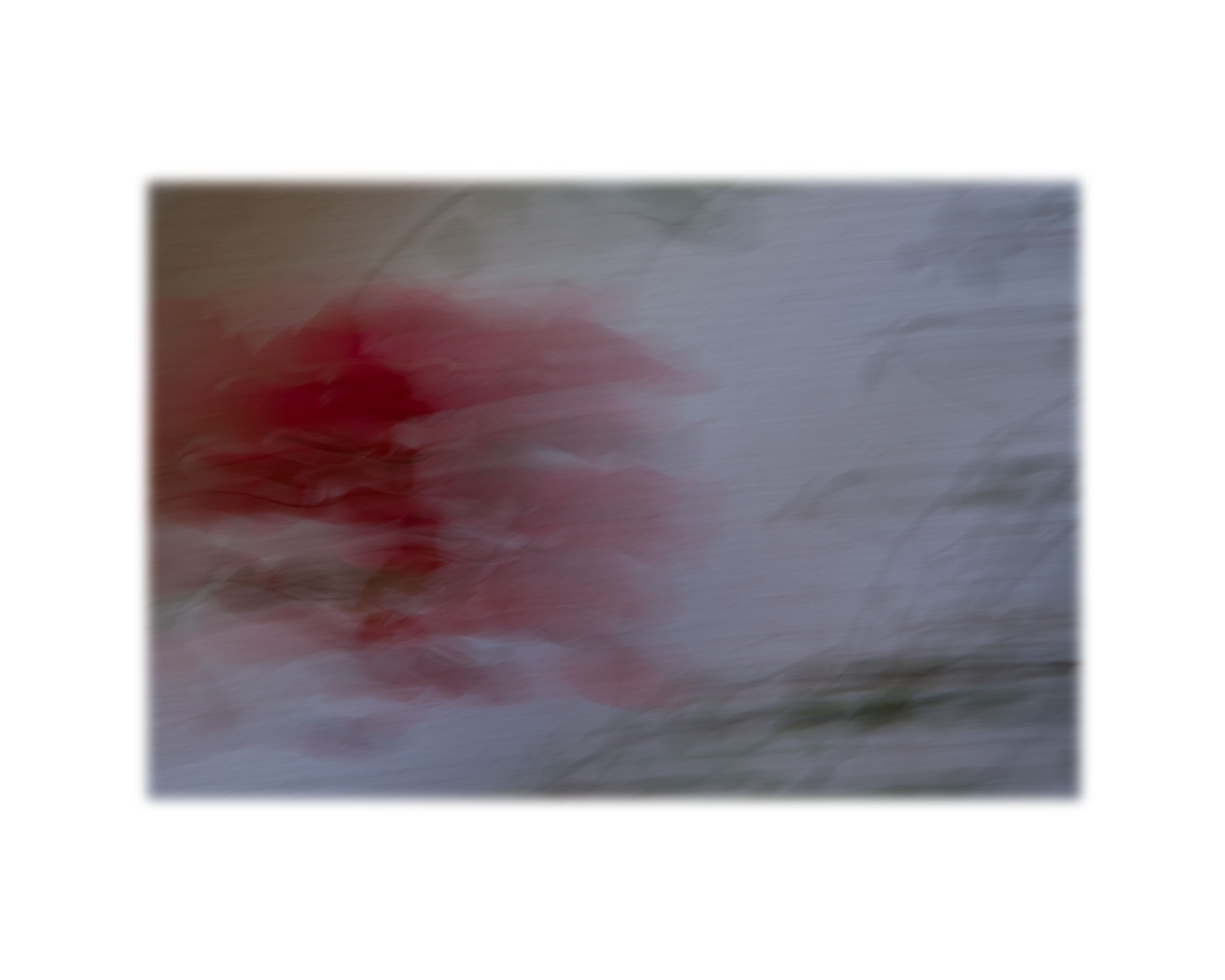
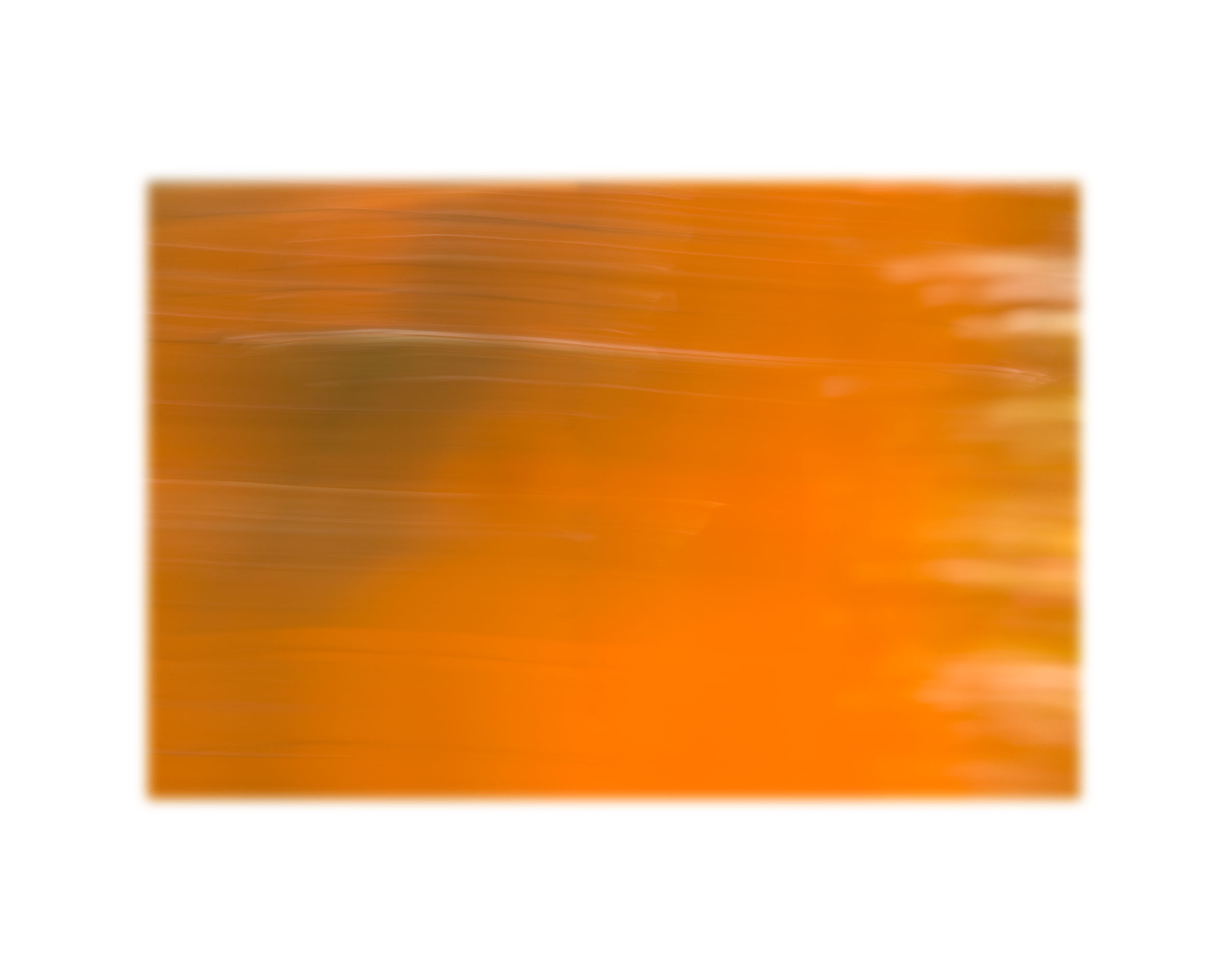
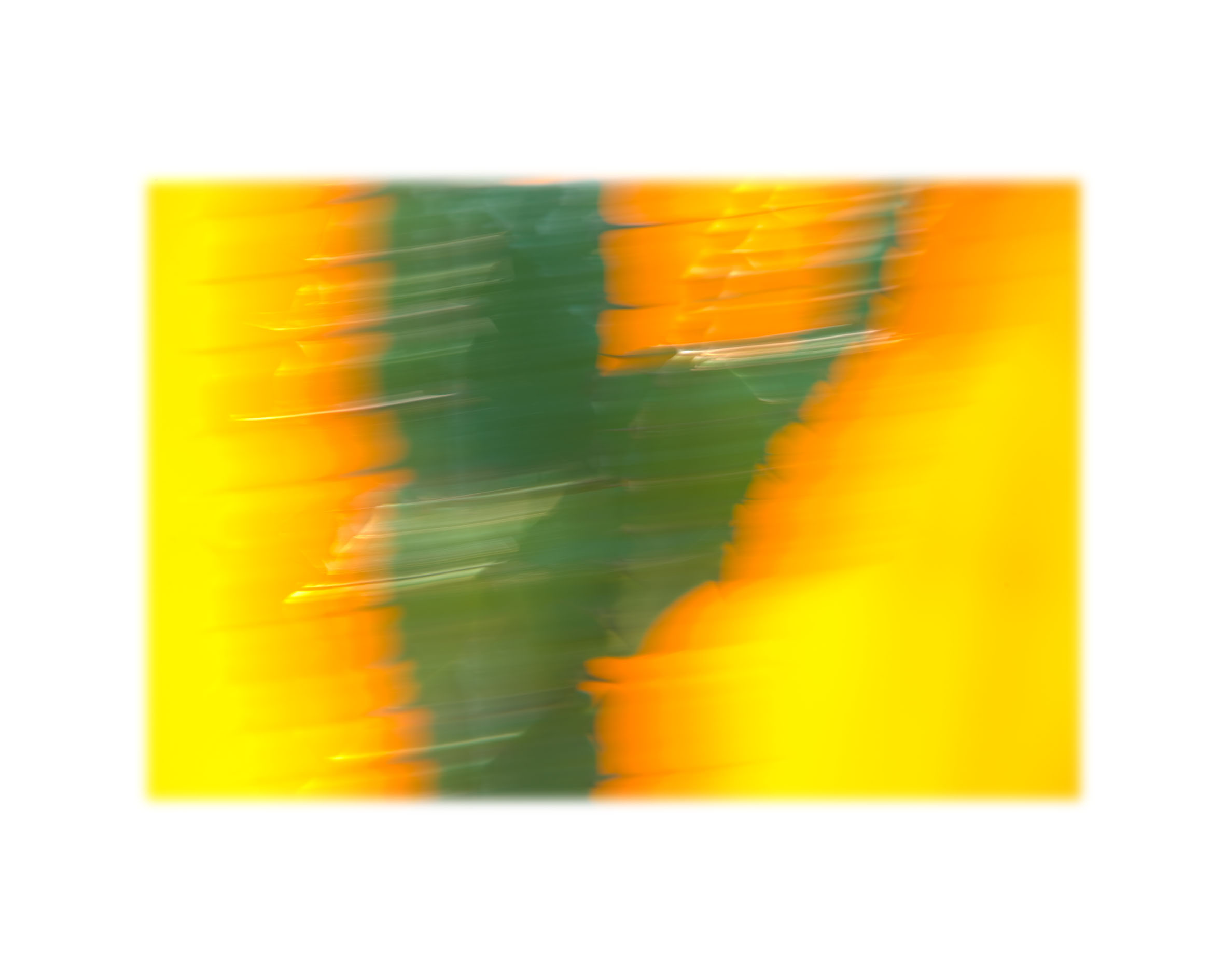
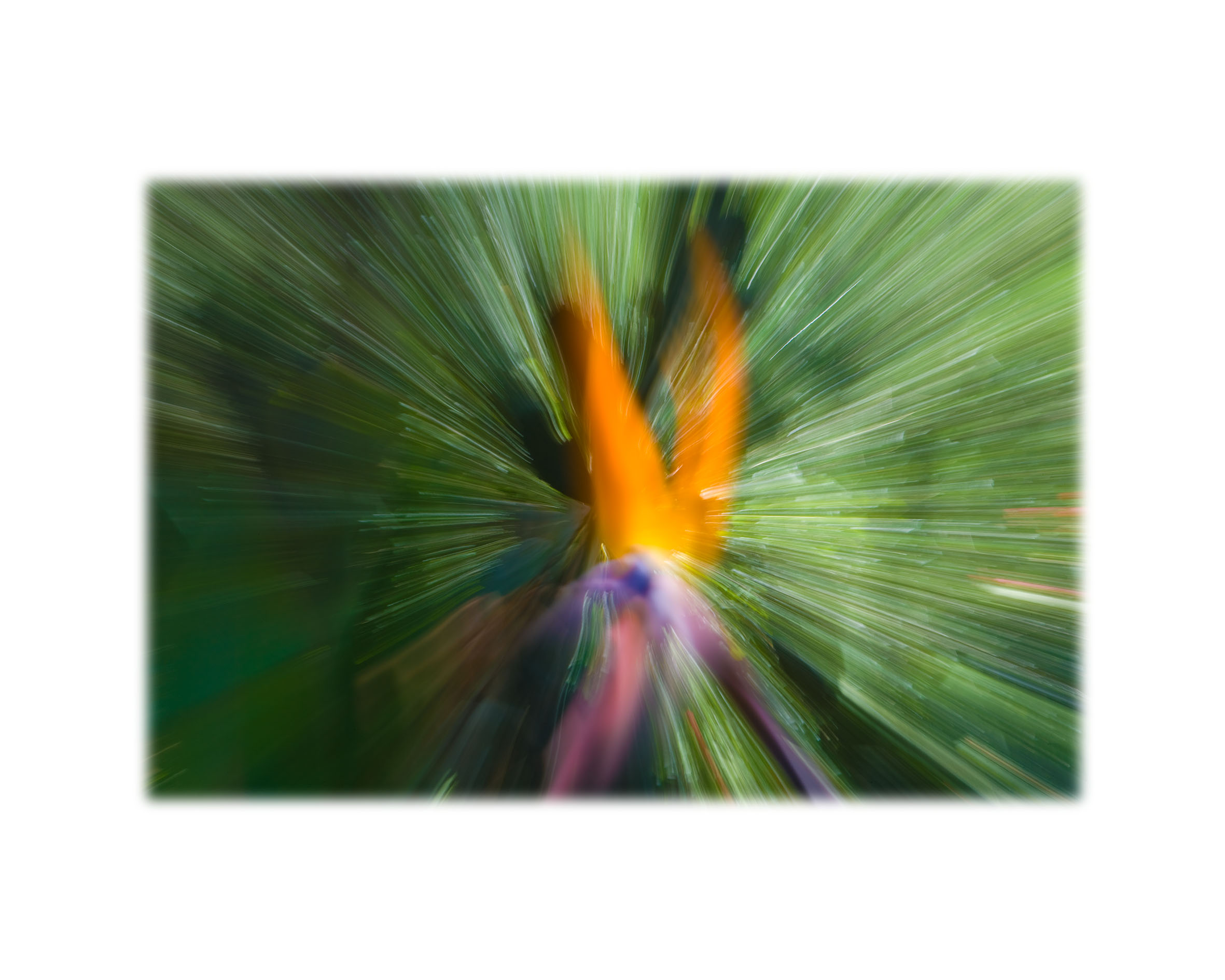
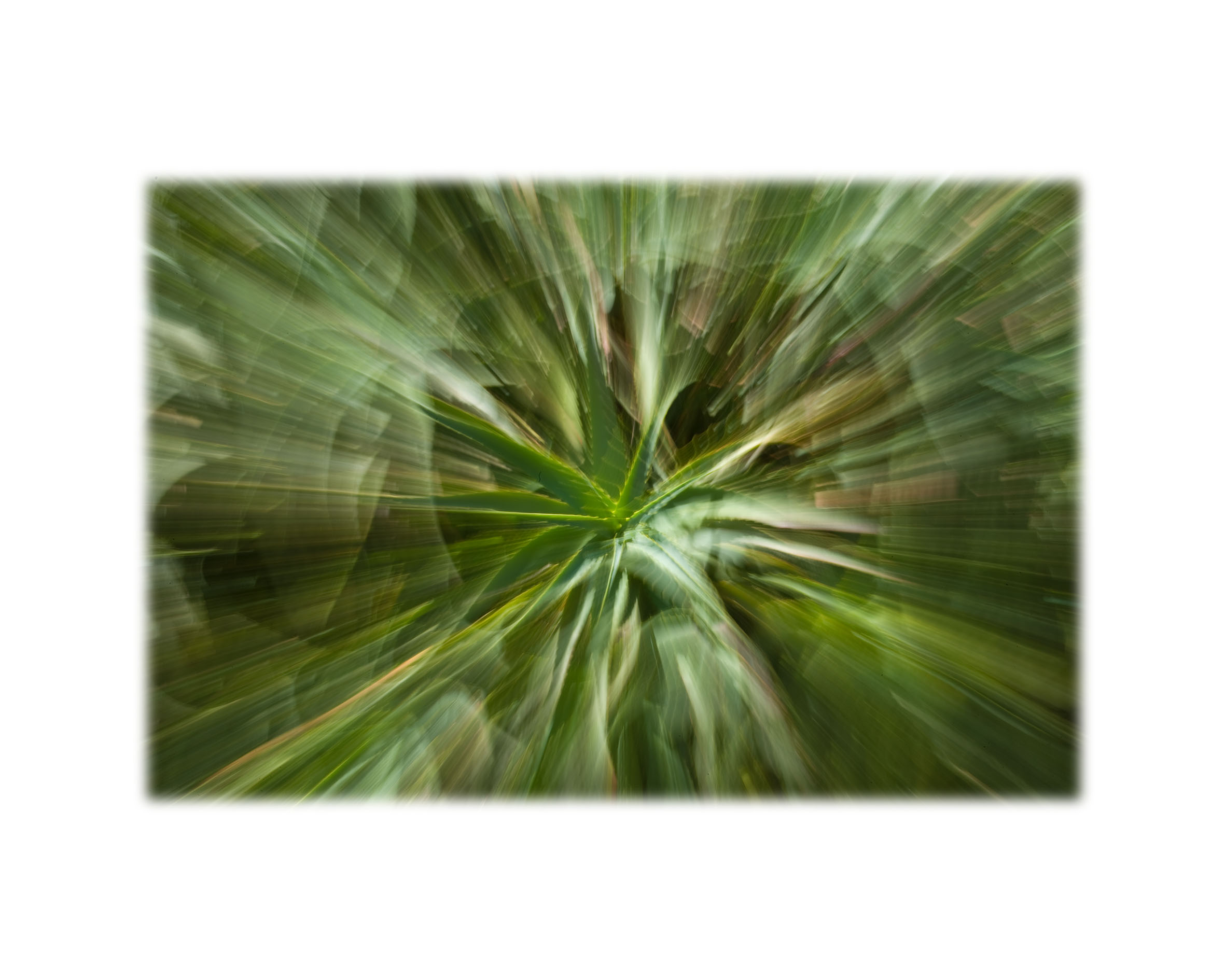
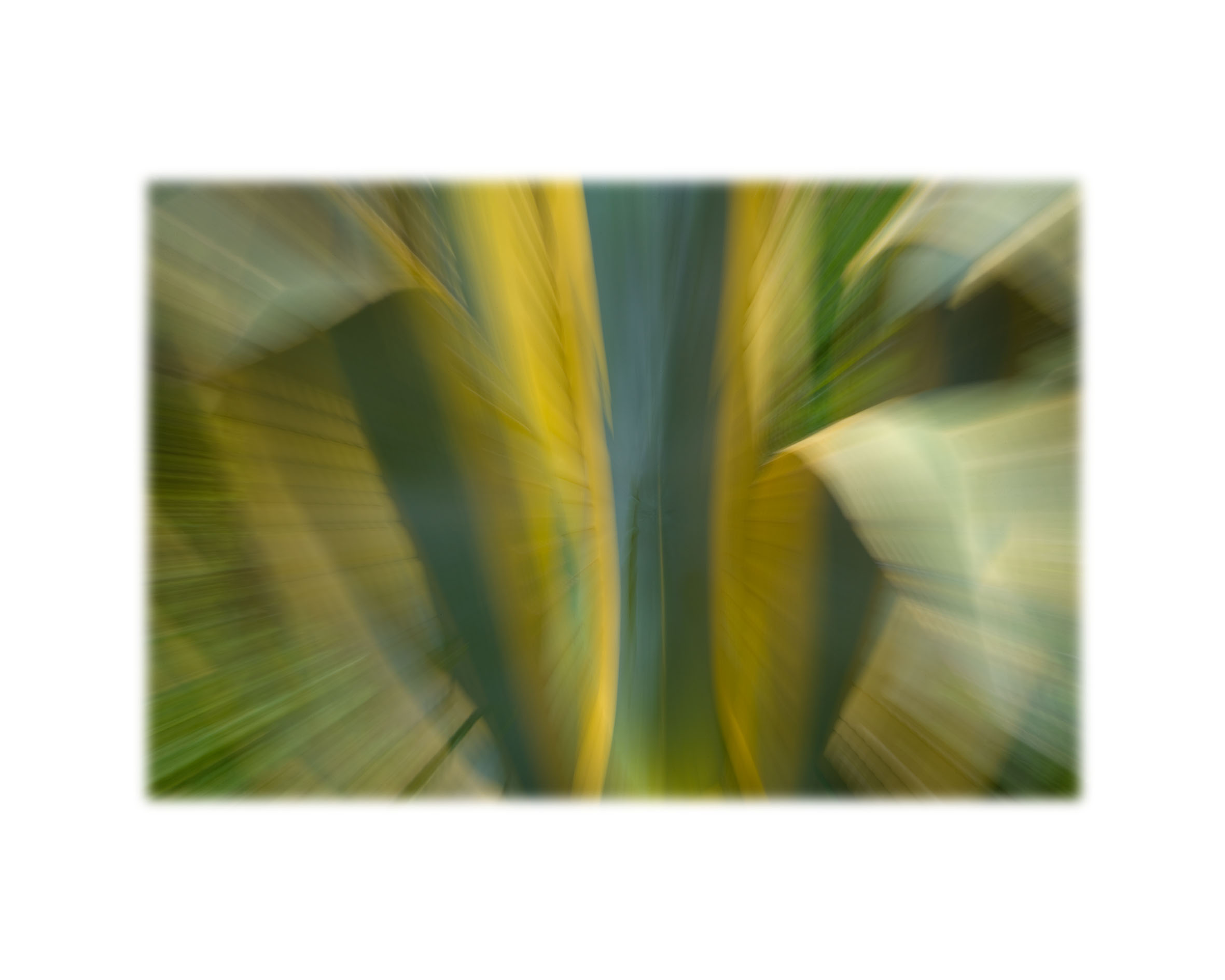
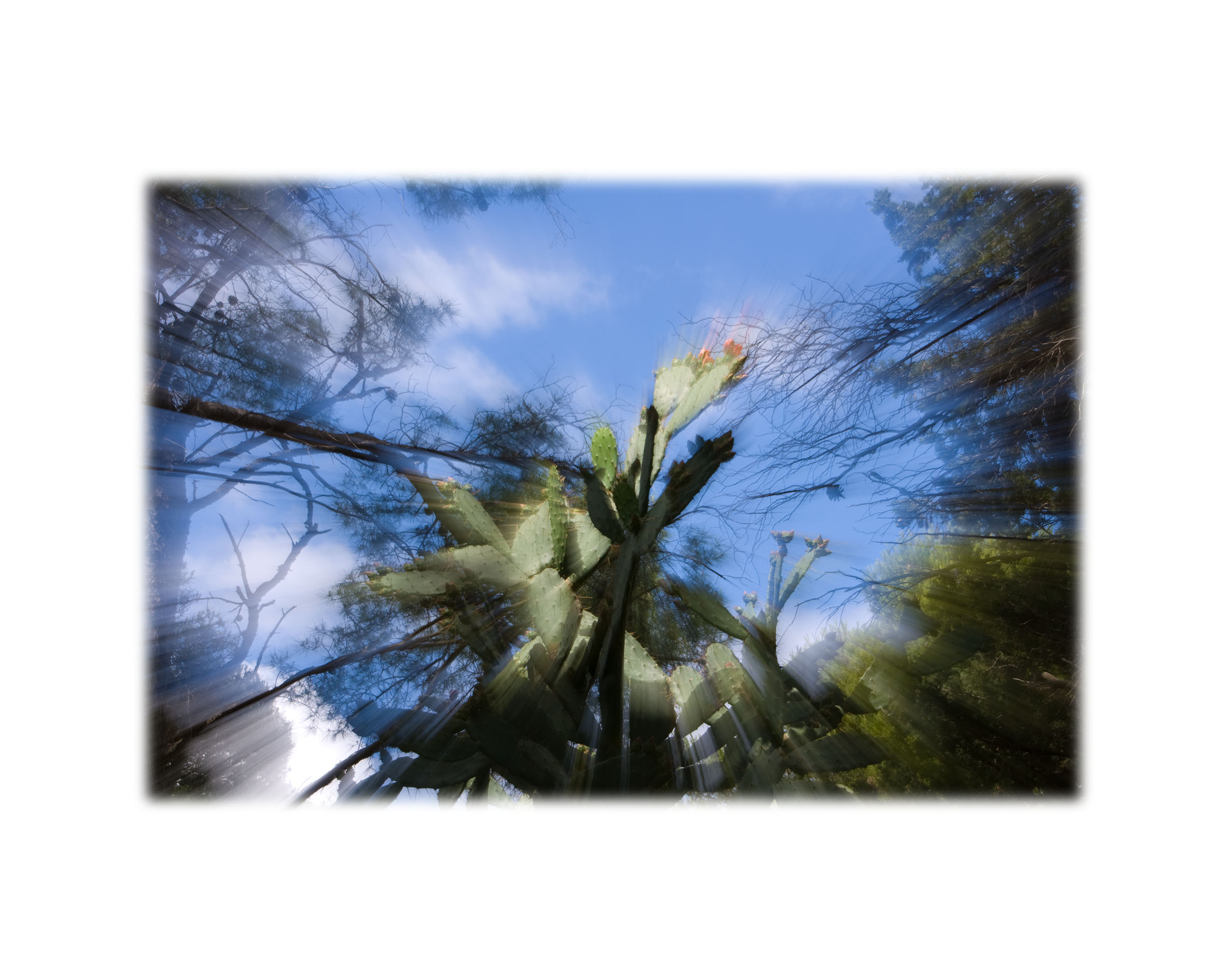
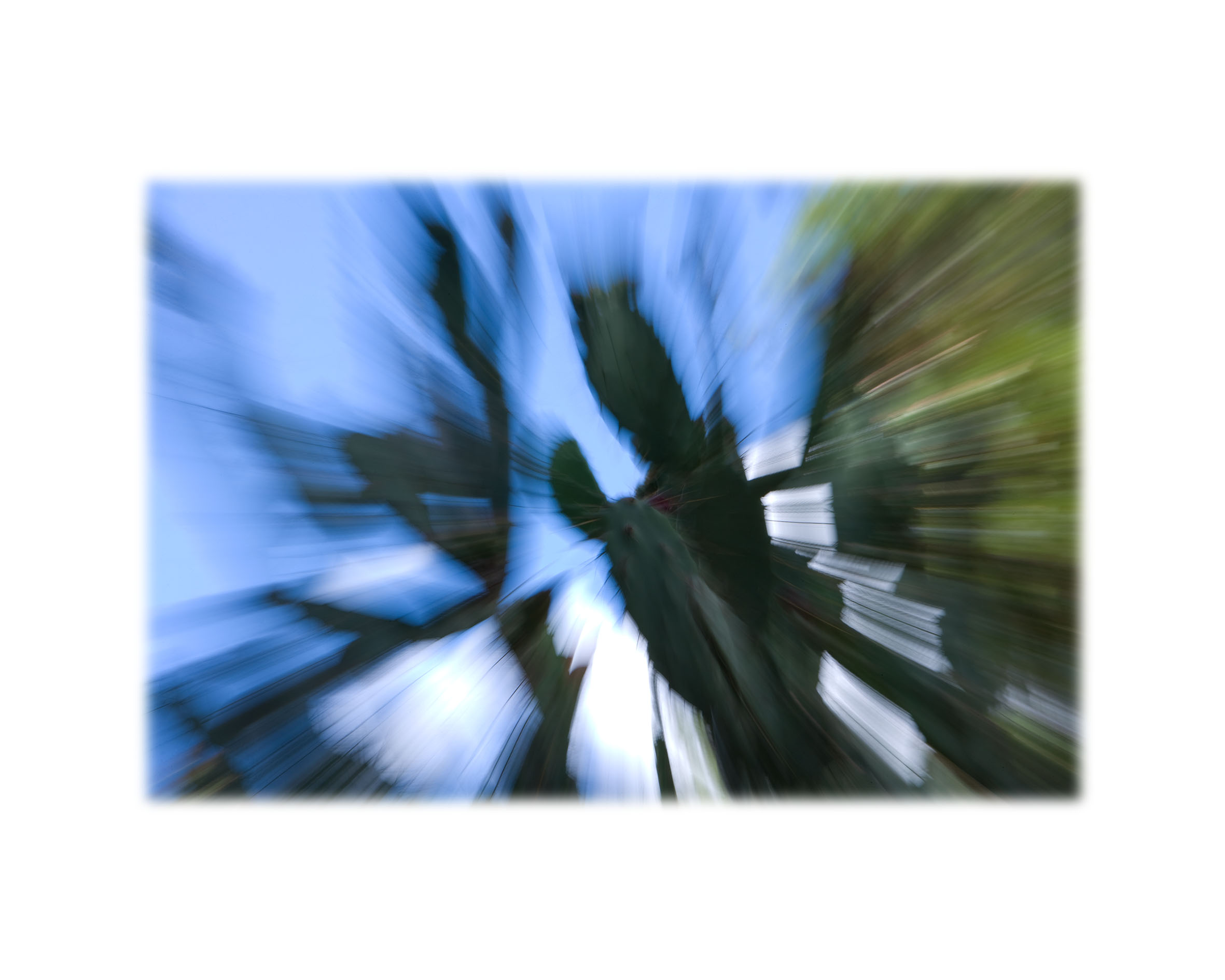
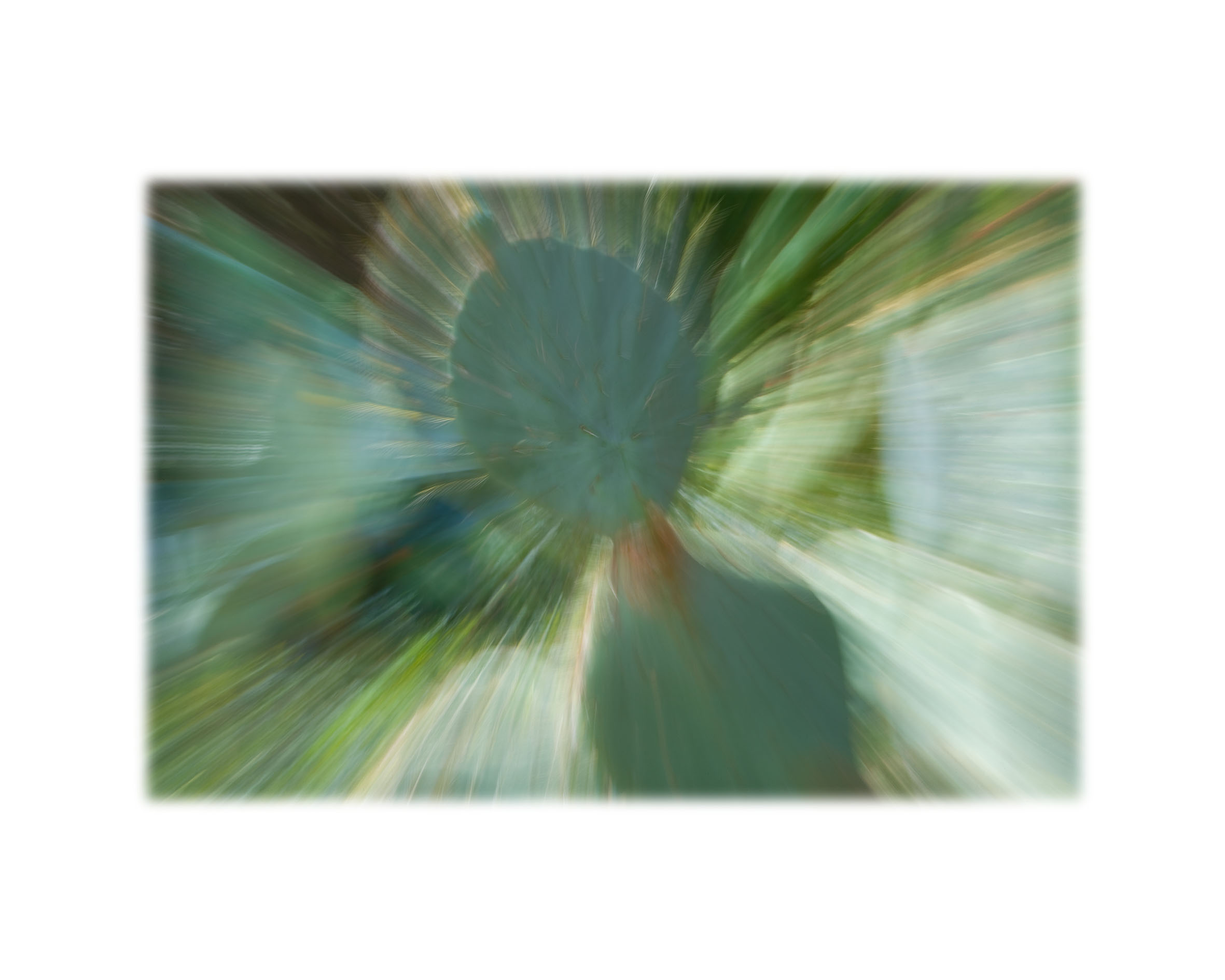
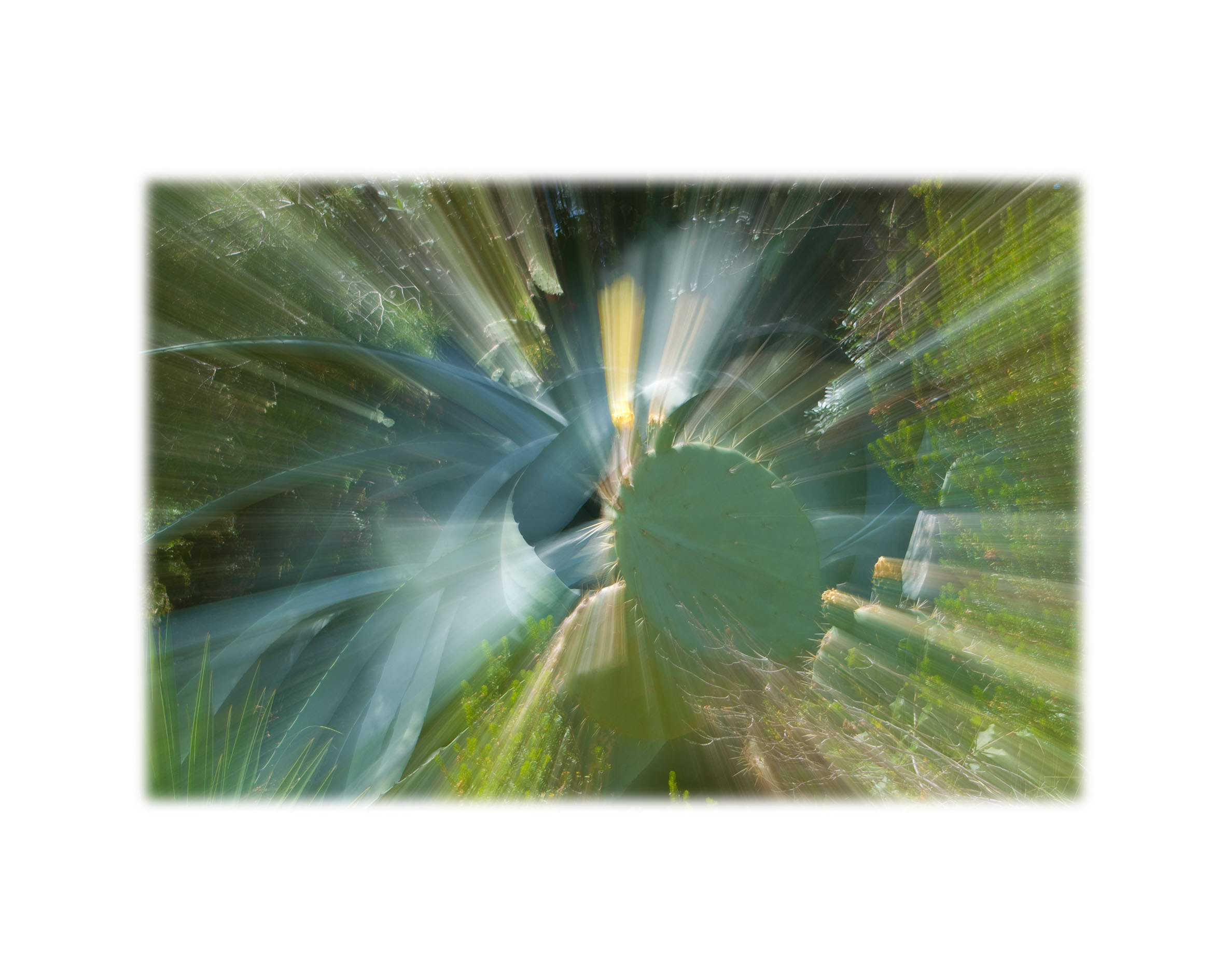
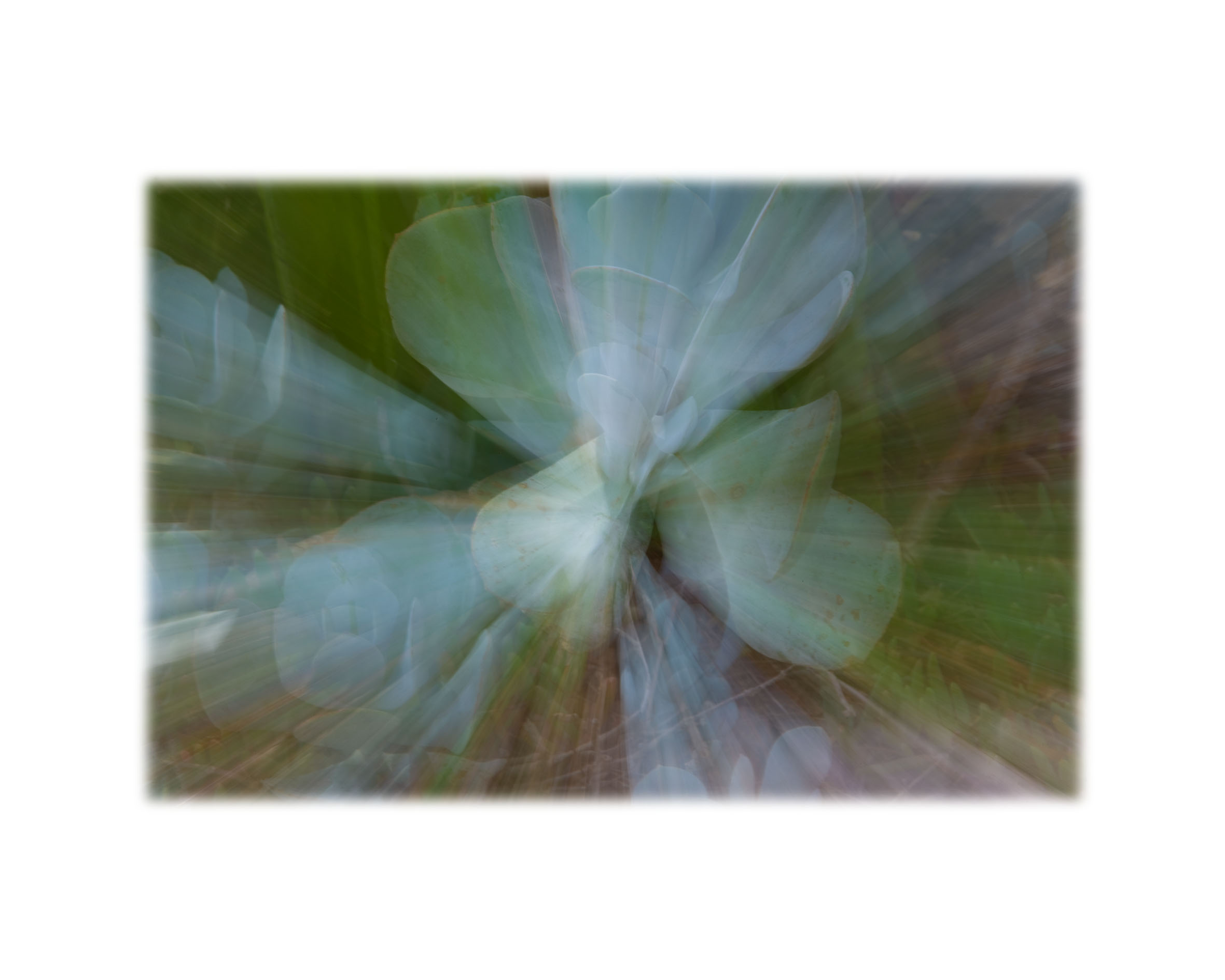
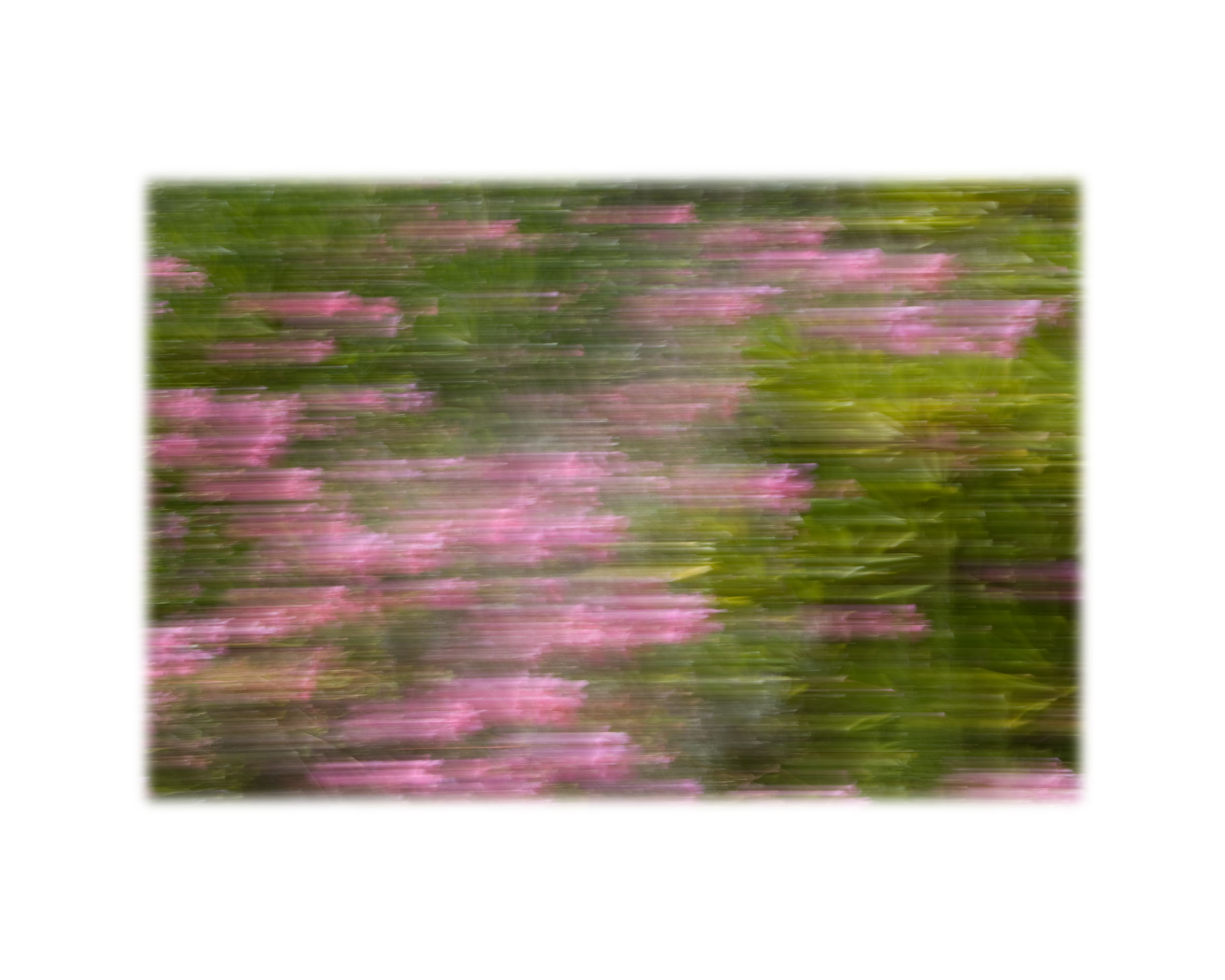
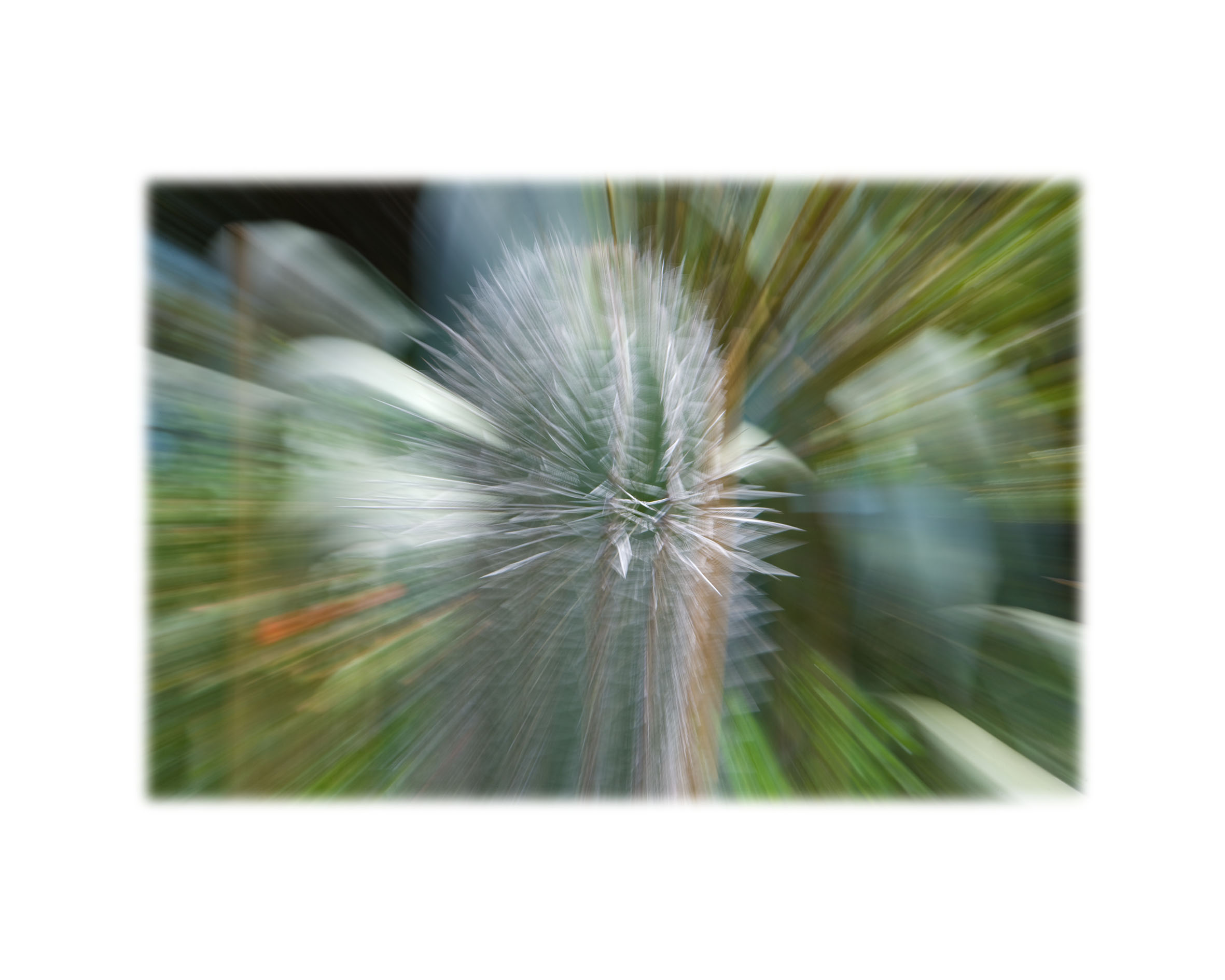
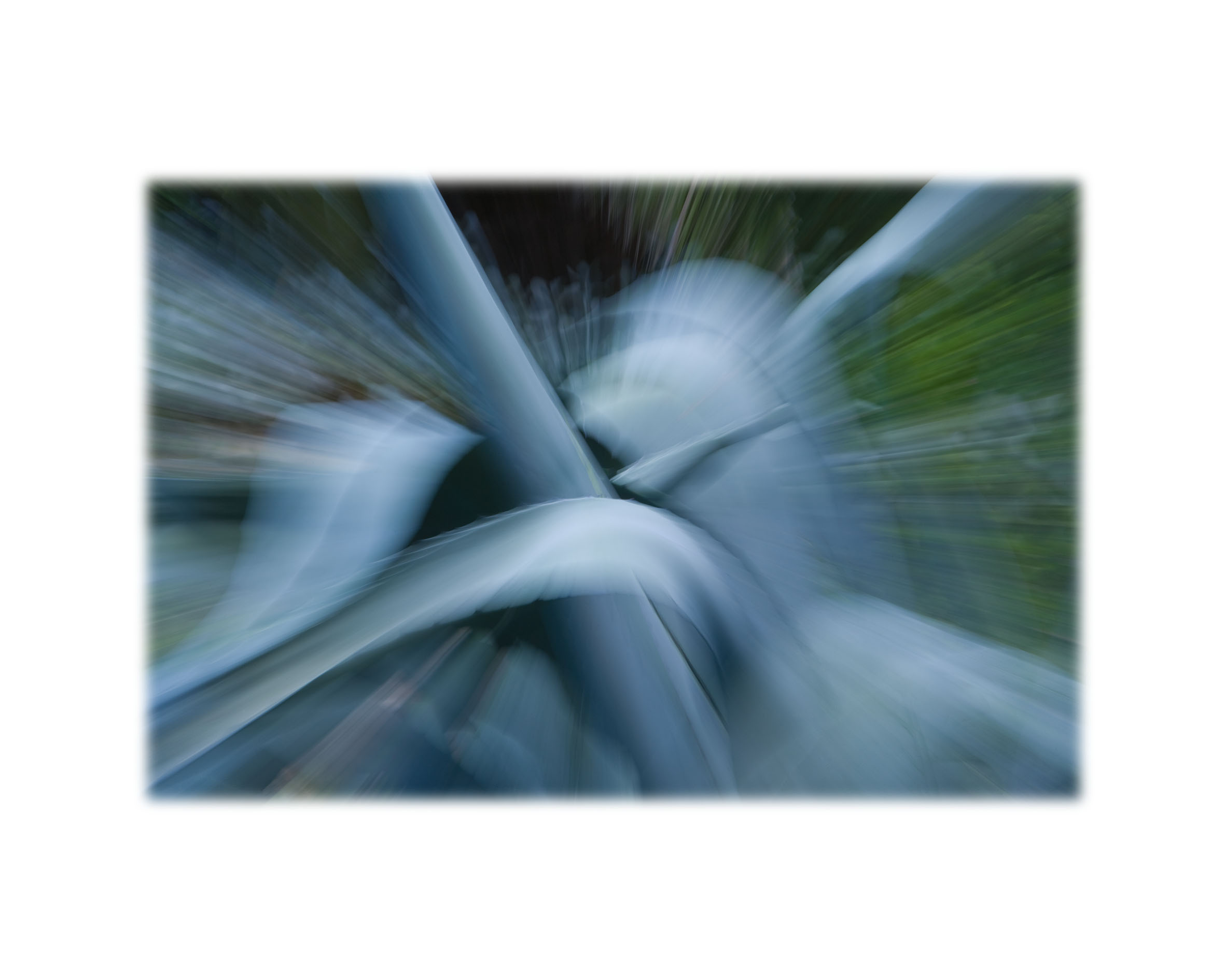
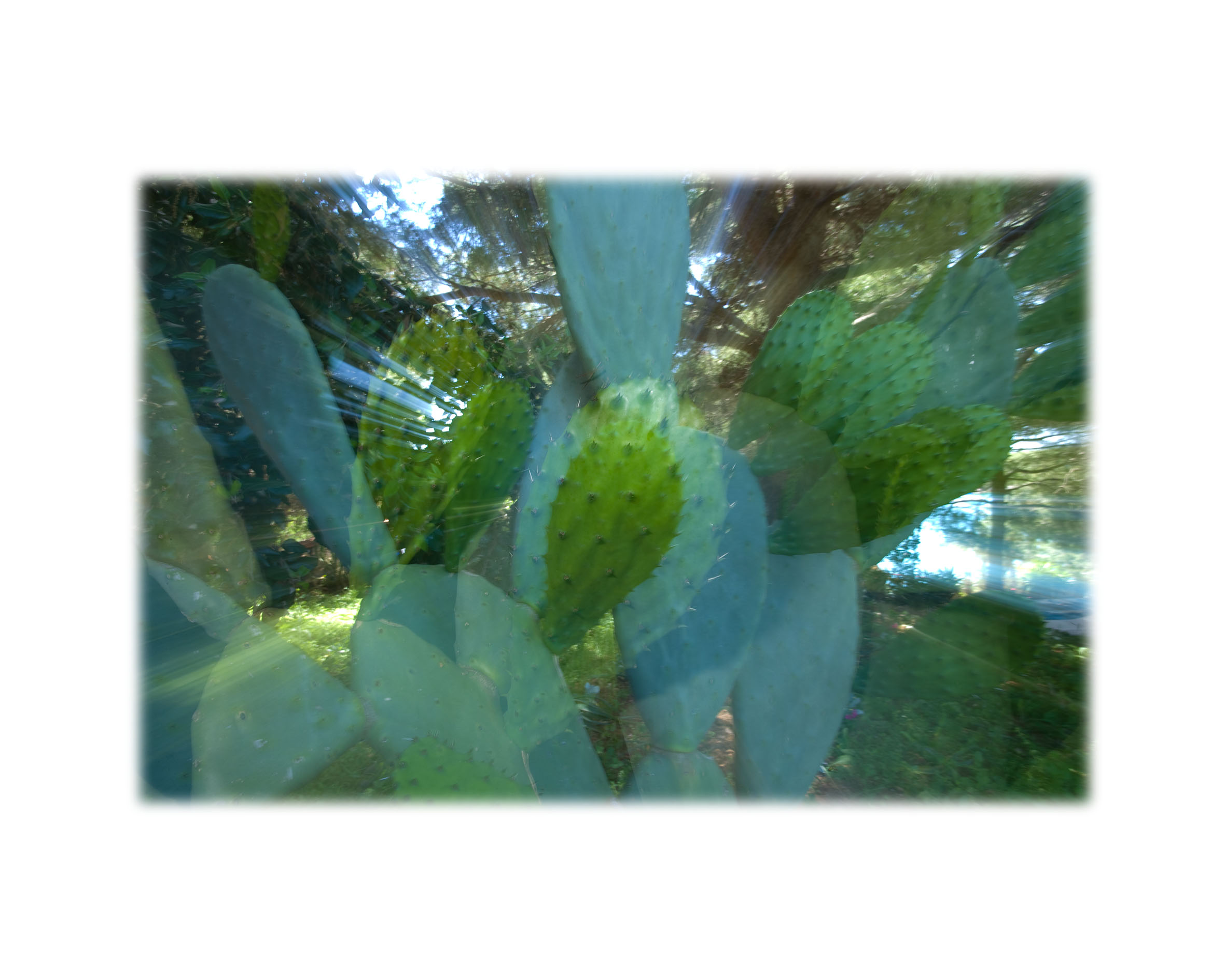
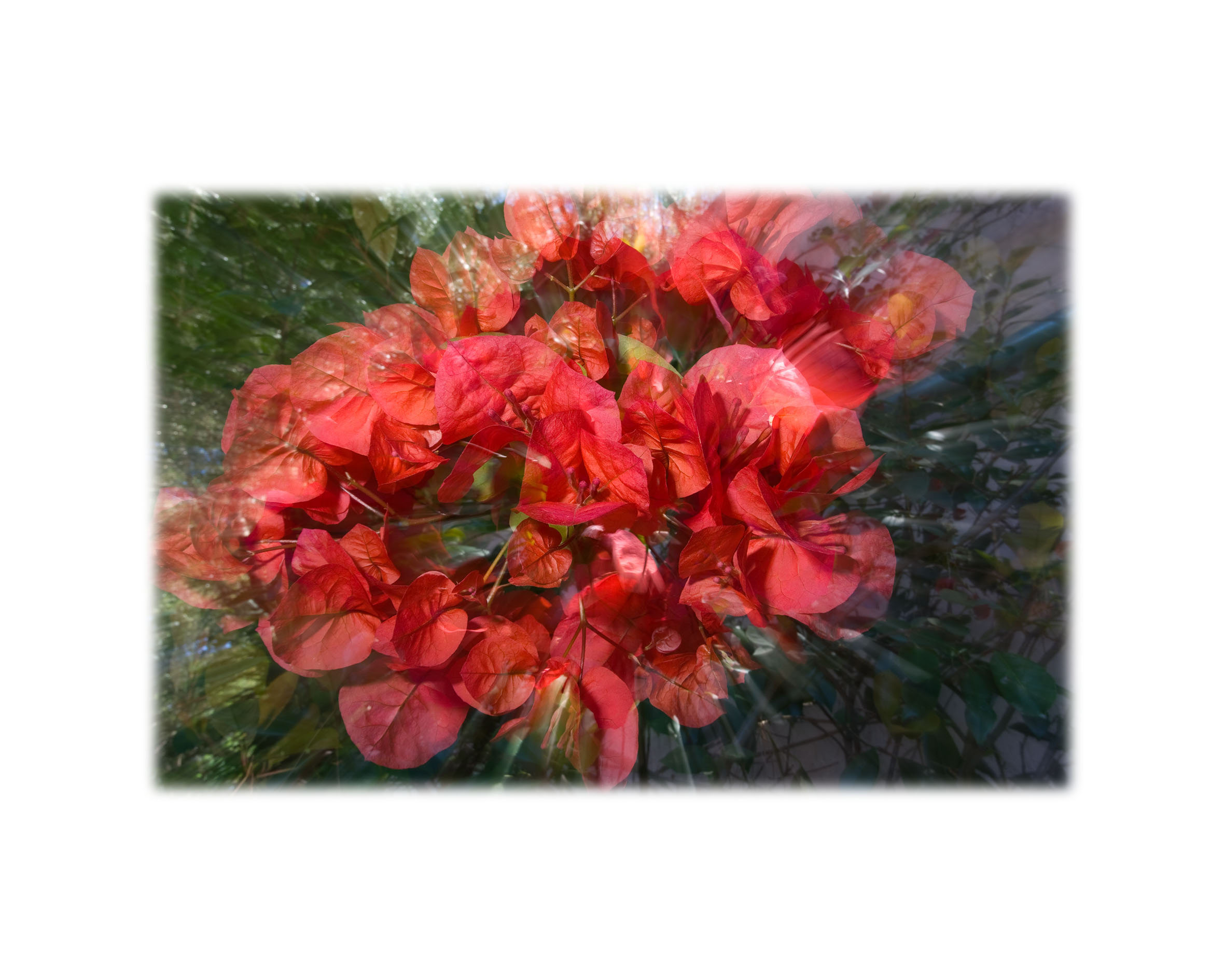
Even today we can imagine the disappointment on the face of this proto-photographer when, before his eyes, beautiful bluish mosaics like a living herbarium began to appear at first blurred, then ever sharper only to begin fading again, dissolving into blur and the depth of blackness. Once again, the moment prevailed over eternity. And yet even that moment, in which a single leaf or flower reveals itself in the beauty of color bathed in the spectrum of light rays, leaves an impression on the observer strong enough to inspire the desire to record it and compress it onto a two-dimensional surface. Today, in the world of digital photography, where everything is so perfect and refined, the work of Darko Bavoljak reveals a desire to realize that process of chemical transience the concept of time within the digital medium. Nature, of course, is the inspiration that draws us in and invites us to record that time: the agitation of blossoms, the trembling of leaves, the penetration of light through rows of flowering grasses, or simply the tracing of the sun upon the rounded shoot of a prickly pear. These are motifs that return us to the history of photographic experiments, but they are also intimate Palmižana motifs. That is why they are written so personally, without ornamentation or pretension to please anyone. Only someone who has contemplated the island several times before taking the camera into their hands could experience it in this way, selecting from the repertoire offered by nature only those forms that allowed that elusive feeling of simplicity to be carried into abstraction. Some photographs those I consider the most successful are complete abstractions. A photograph in which a bluish-gray agave with a yellow edge, set in motion by a long exposure, transforms into a monolithic object of light, powerful like comparable works achieved through painterly technique. Or my personal favorite: the photograph of a moving prickly pear bathed in yellow backlight, transformed into a kind of revolutionary monument to nature. There are, of course, optical shifts through which Bavoljak skillfully controls the positions of light and shadow. But shifts do not occur only along the X and Y coordinates; in most photographs, the Z coordinate defining the depth of the image is also emphasized. In this way, the artist draws us into the intimate space of the image, into its natural environment, where the plants of Palmižana exist as real facts rather than as dreamlike creatures. Where we no longer find concrete outlines for reading a form, everything transforms into a harmonious composition, like a tapestry woven from bands of light.
Bavoljak shows us that behind natural reality, behind the real, there lies an optical illusion that attracts us much like the spectrum of colors attracts a bee. Yet we are fortunate, because unlike Wedgwood’s fleeting wonder at the beauty of plants that then vanished in a failed experiment, these Palmižana images are real like nectar sweet, beloved, and consumed without questioning what it is made of. It is a relaxed visual expression, perfectly attuned to the natural motif.
Kornelija Benyovsky Šoštarić
23 color photographs. Inkjet prints.
Camera: Canon EOS 1Ds Mark III
Ownership: Dagmar Meneghello Collection