Portraits Branko Ružić
The portrait is thematically the most deeply rooted of all photographic genres. As such, throughout the history of civilization it has often carried connotations of the documentary, the realistic, and the conventional.
Once a rare luxury, portraits are now ubiquitous. Easily reproducible and increasingly accessible, photography has played a particularly vital role in the democratization of portraiture. In recent times, the proliferation of smartphones and the rise of social media have triggered an unprecedented flood of portraits in the form of photographs and selfies. Many contemporary artists confront this situation by emphasizing the fluidity of identity in a world in which technology and mass media are omnipresent. Some of them question the pursuit of outward likeness—the customary goal of portraiture—within formal or conceptual investigations, or reject it altogether. Some take pleasure in the glamorous appeal of the genre, while others criticize its elitist associations and instead turn attention to the banal or even the grotesque.
Darko Bavoljak, however, is one of those artists who interrogate the role of photography in the culture of memory. In his essay Dead Photographic Heritage (2018, Informatica museologica, 49, pp. 104–109), he points to the problem of preserving and utilizing photographic heritage: for generations, photographers have recorded and documented heritage for the needs of artists, galleries, museums, and other cultural institutions, material that served for presentation in catalogues, monographs, proceedings, encyclopedias, journals, and similar publications. Photographers usually kept the negatives in their own archives, and certain institutions preserved parts of this material in some form. Stored documentation generally remains unused and inaccessible, and over time becomes forgotten heritage.
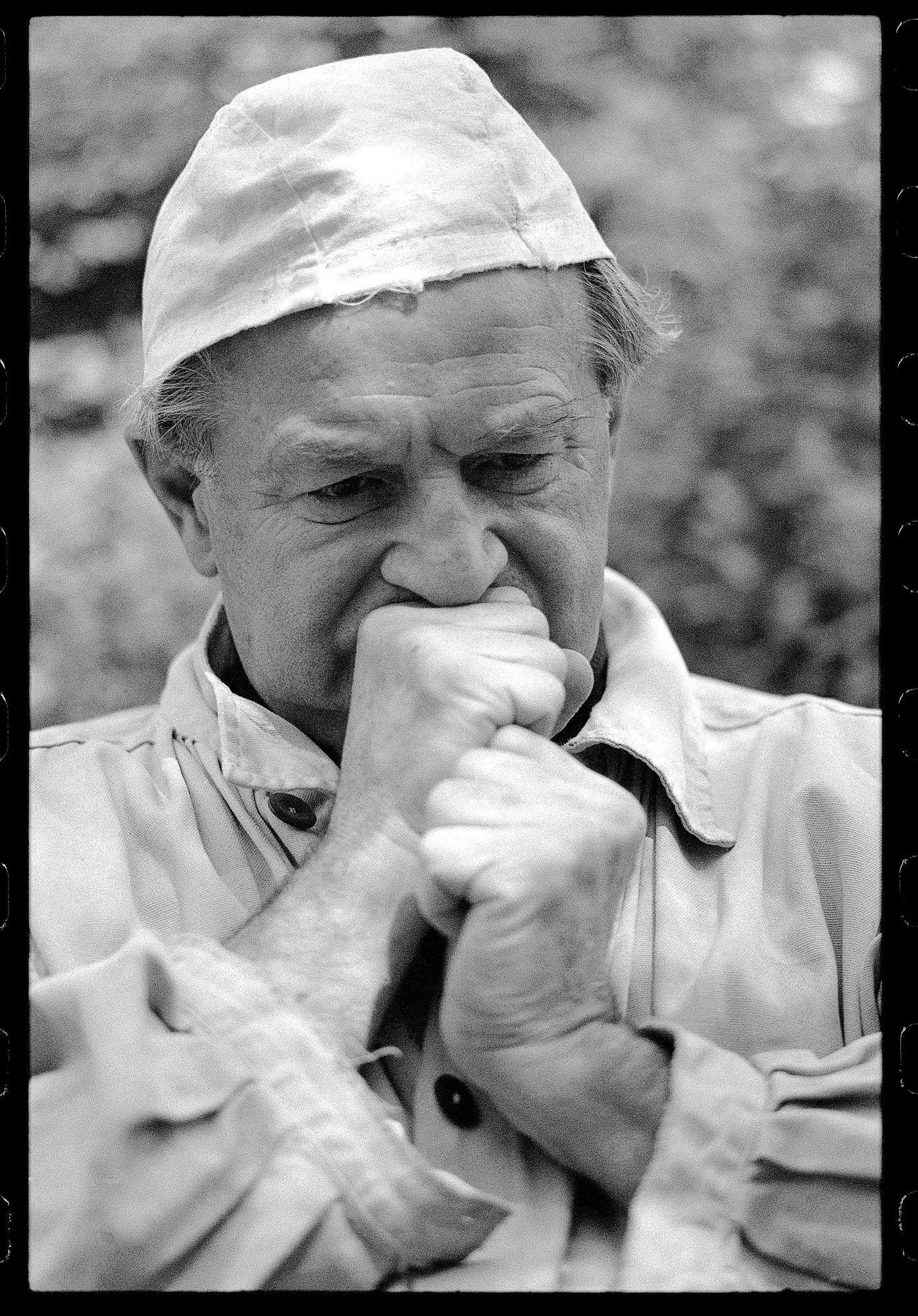
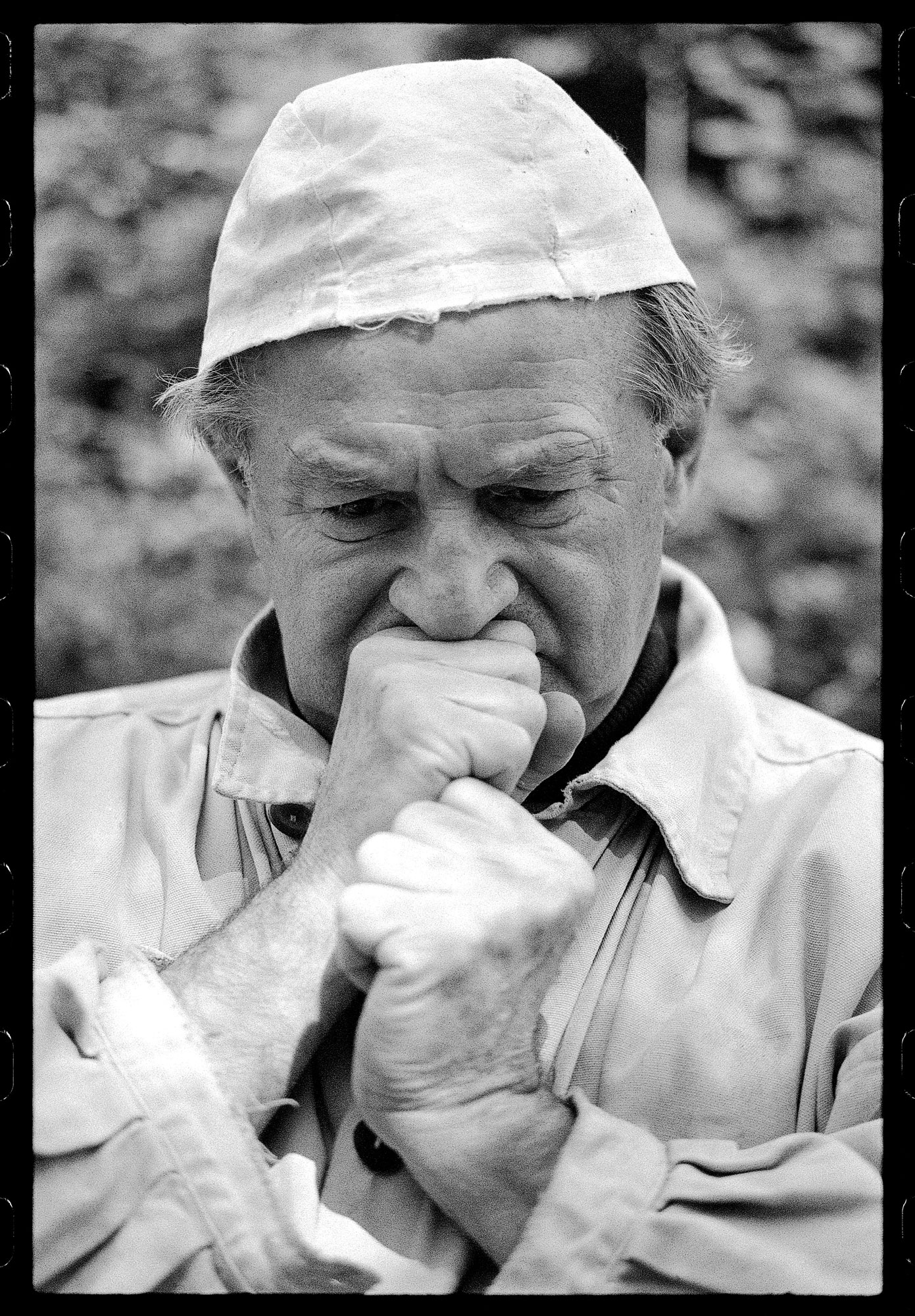
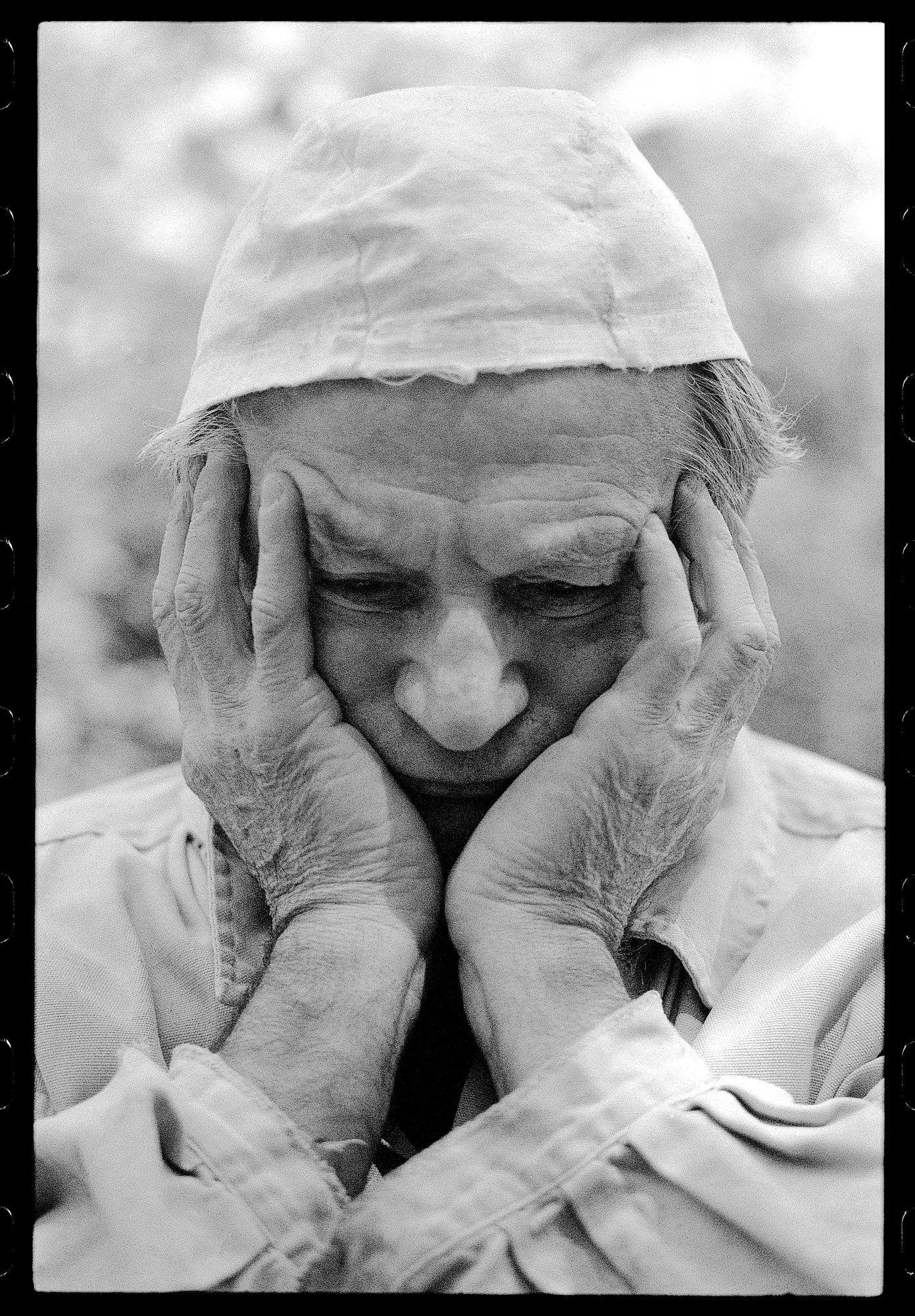
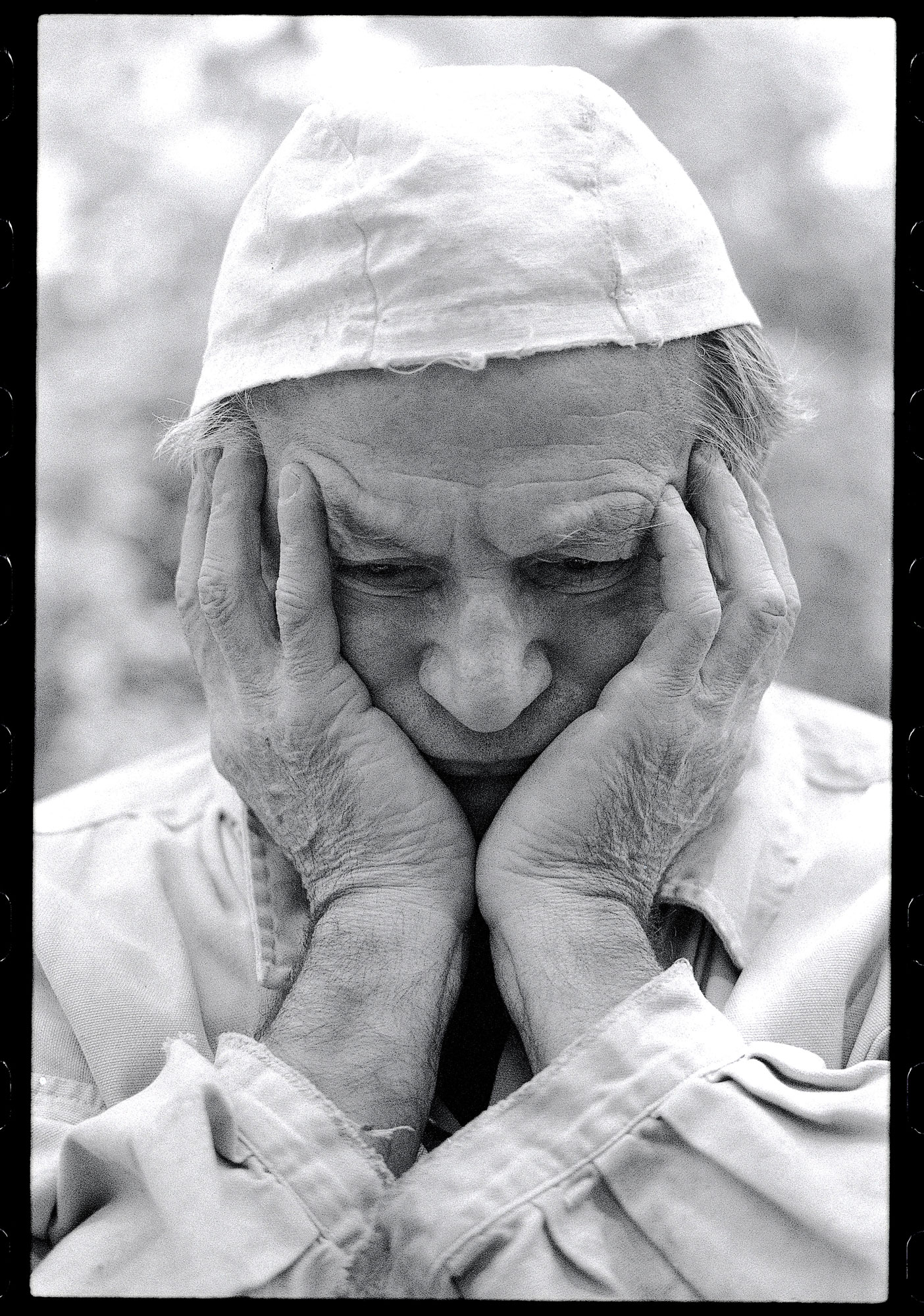
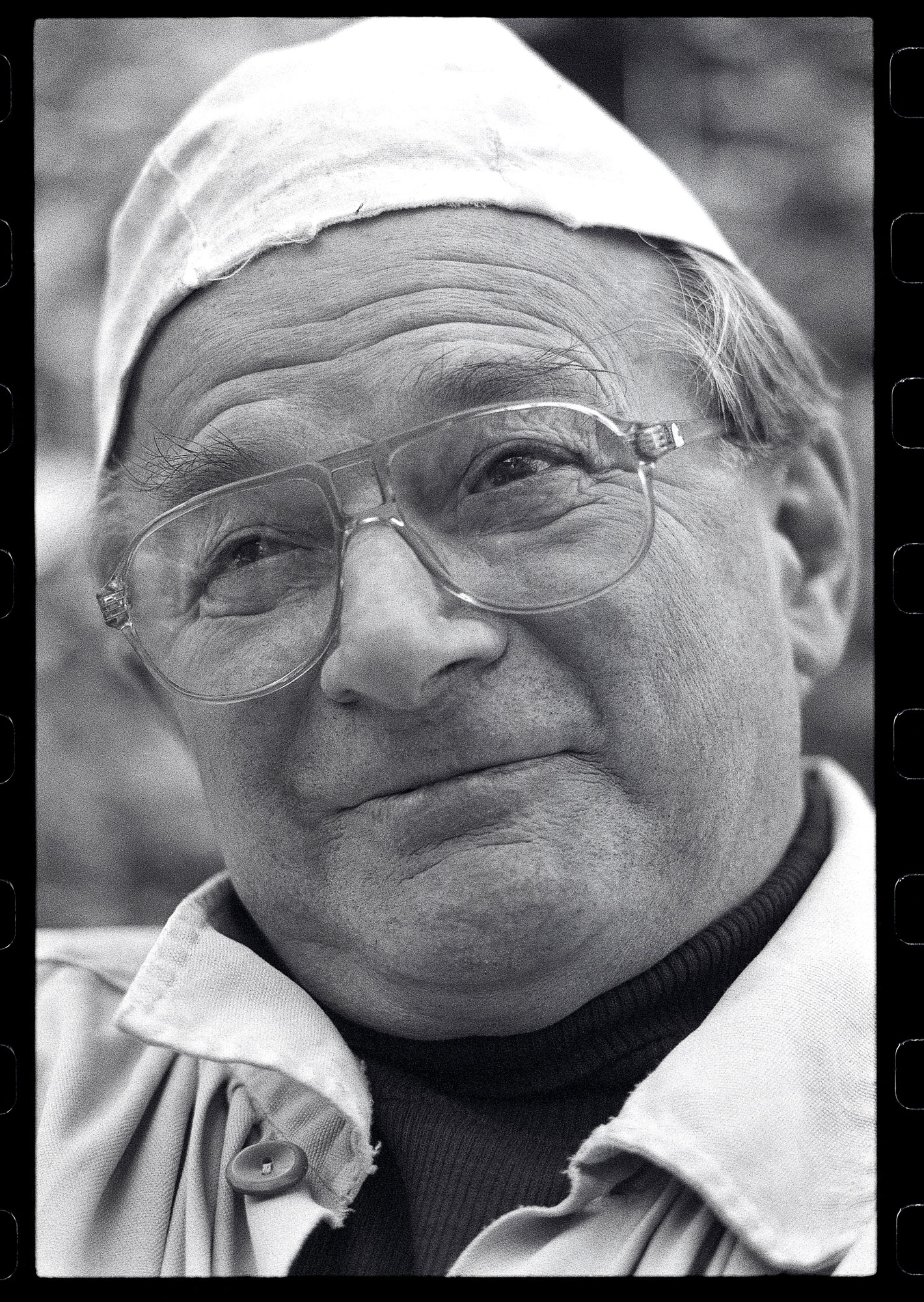
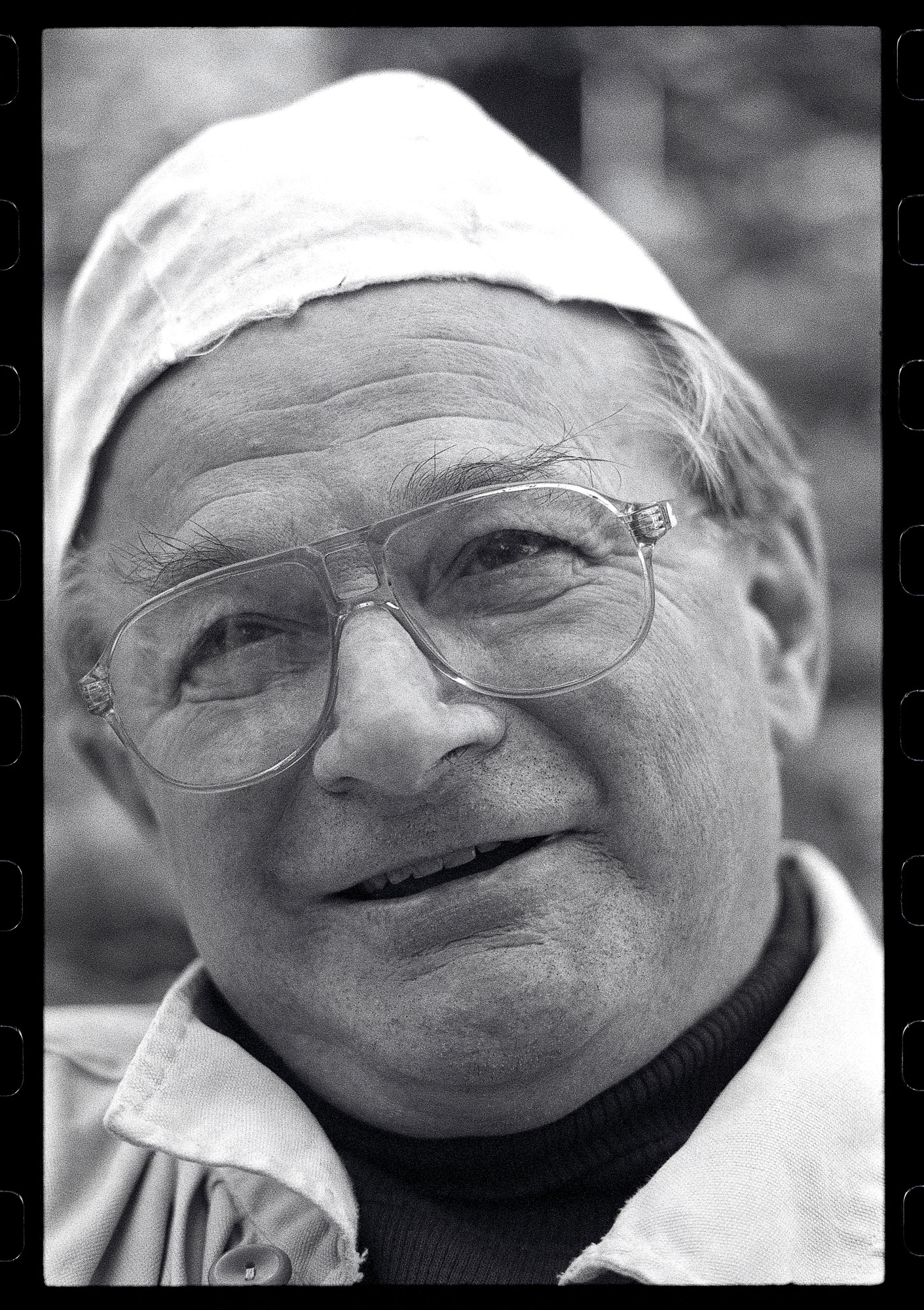
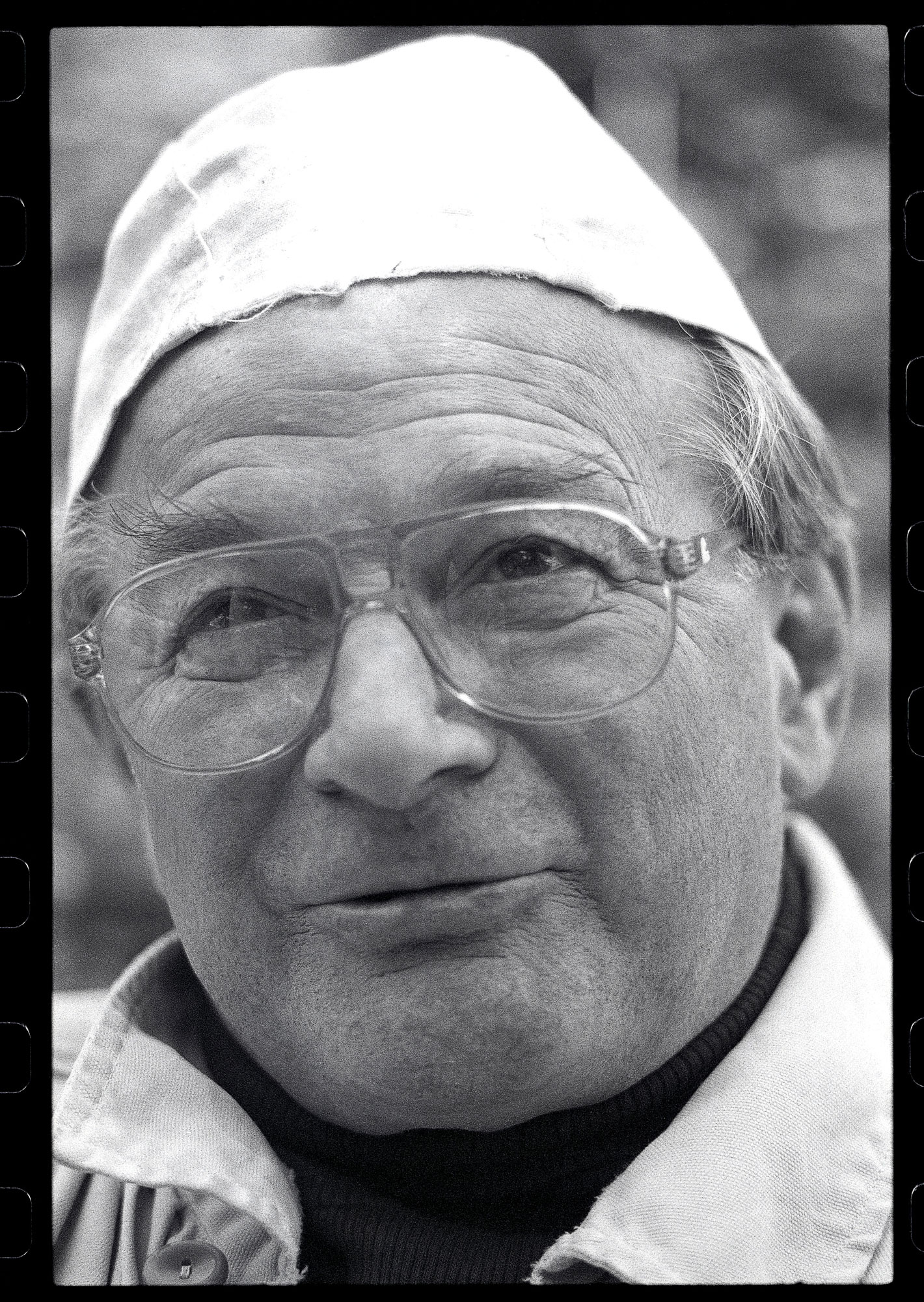
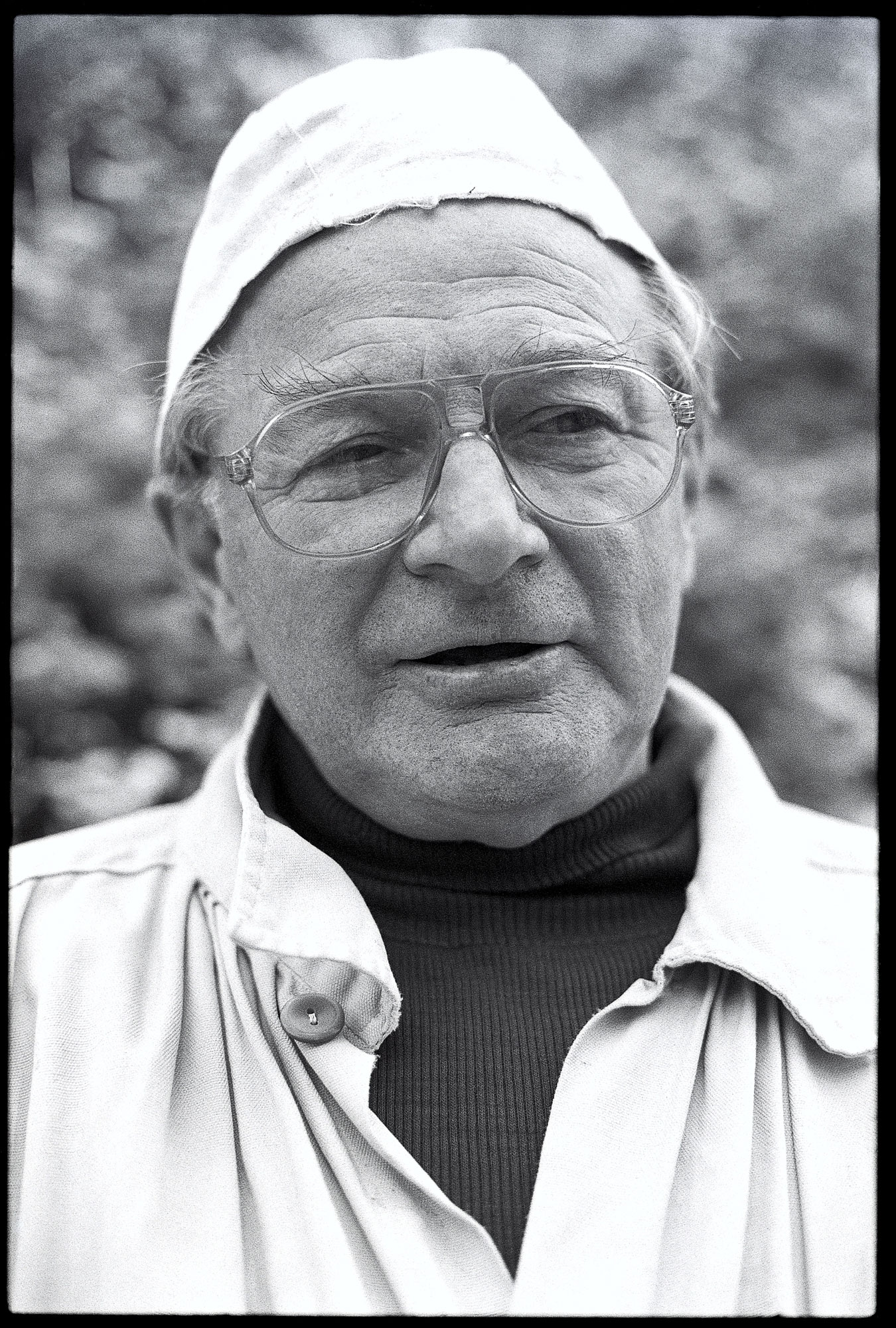
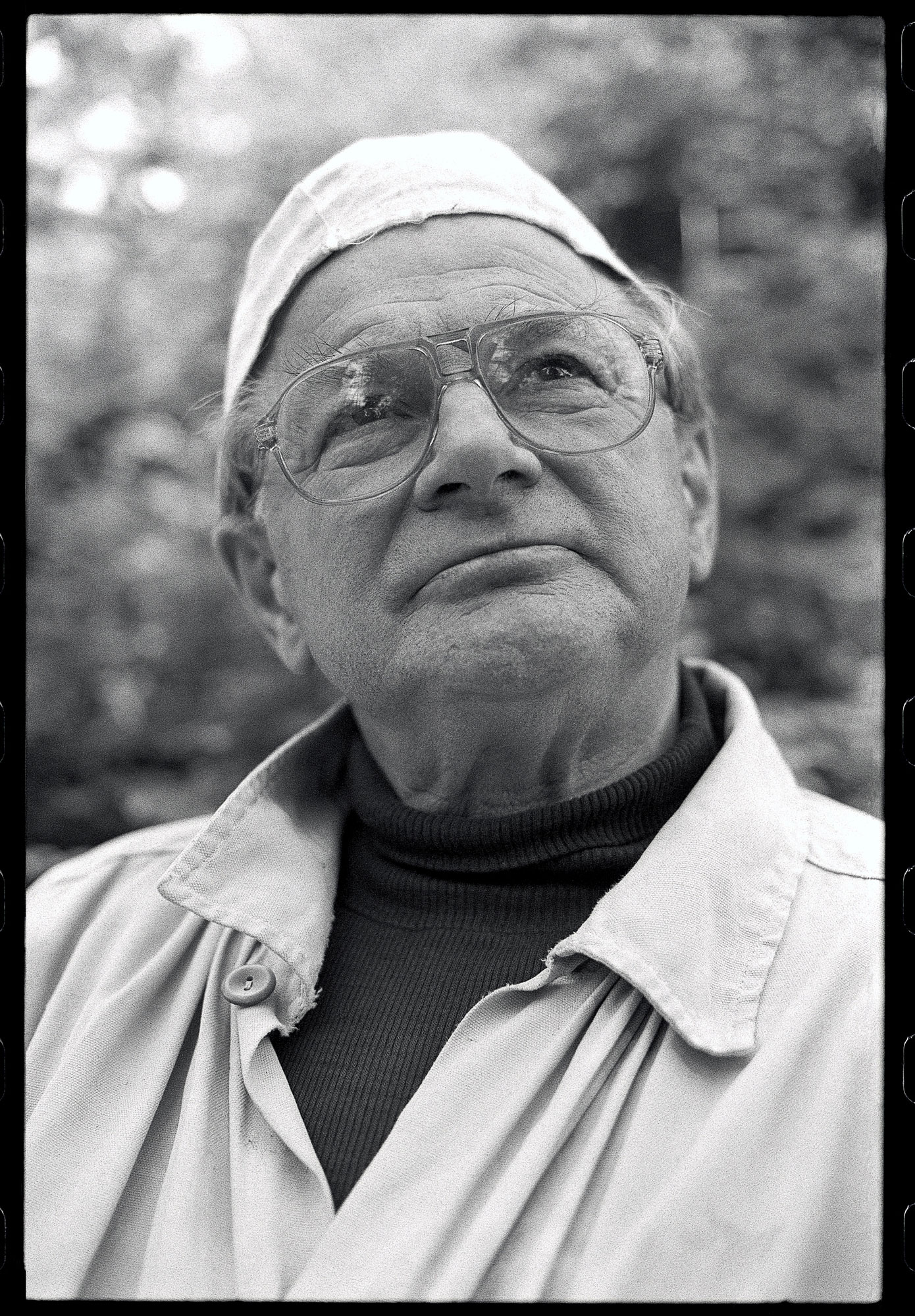
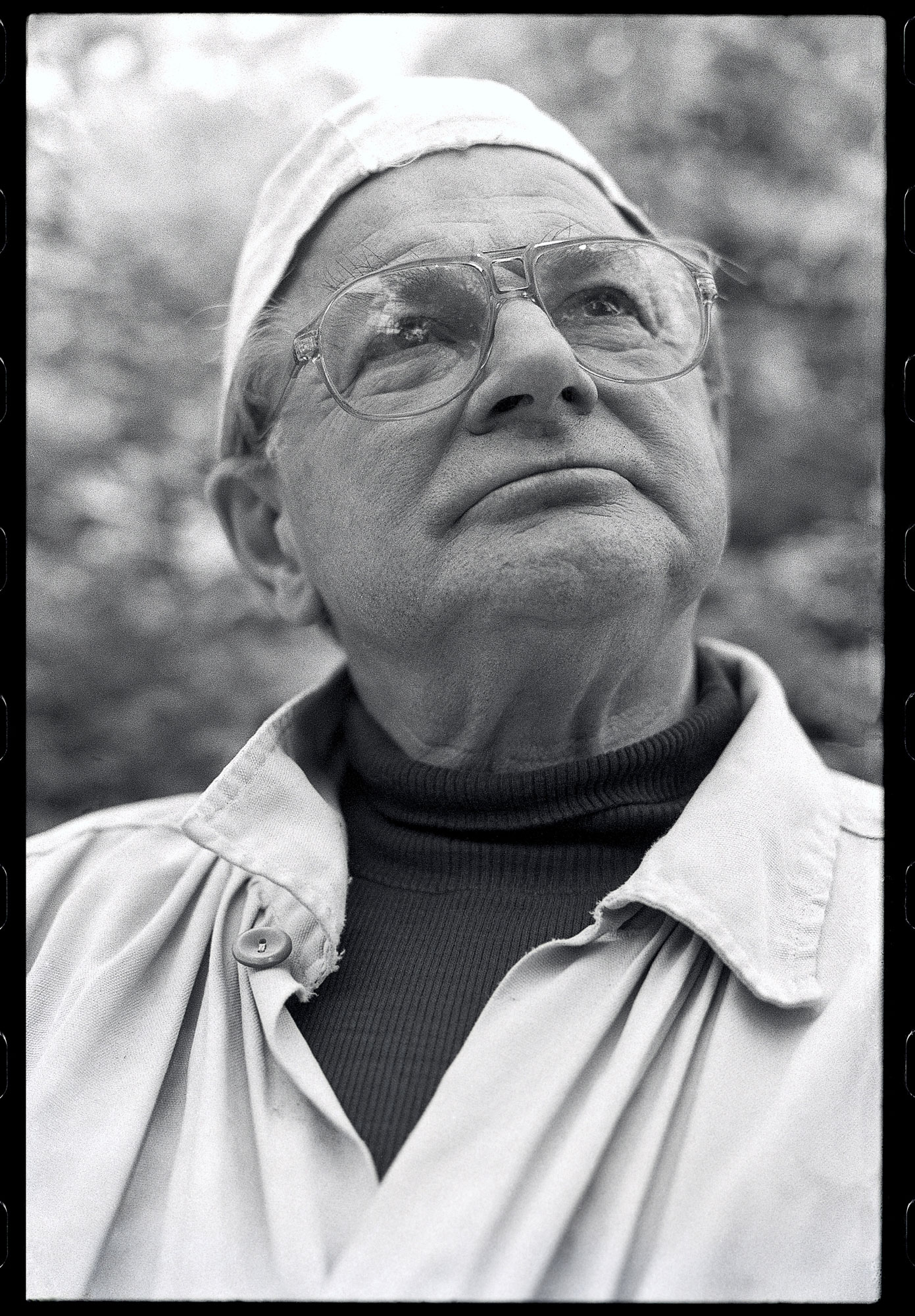
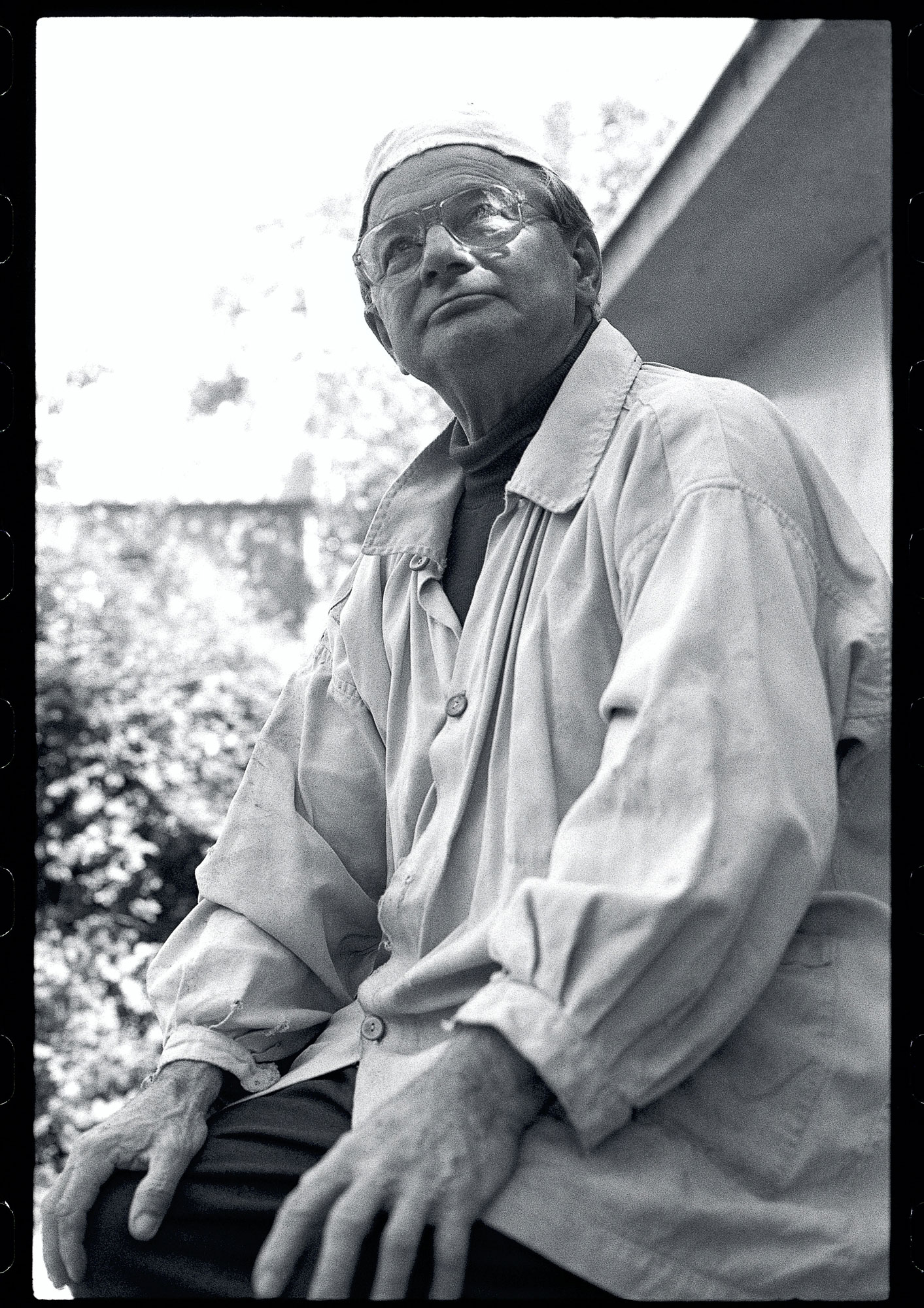
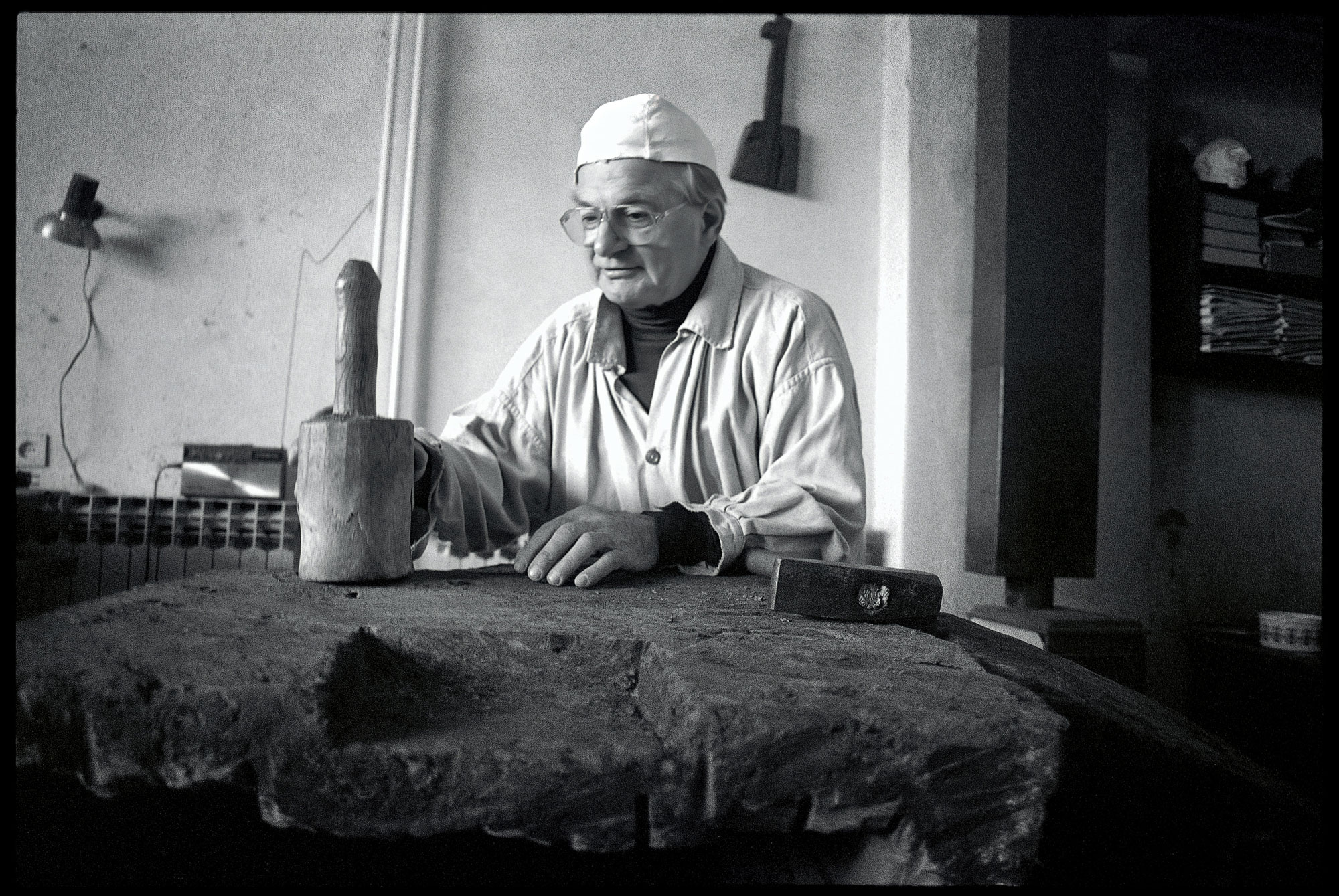
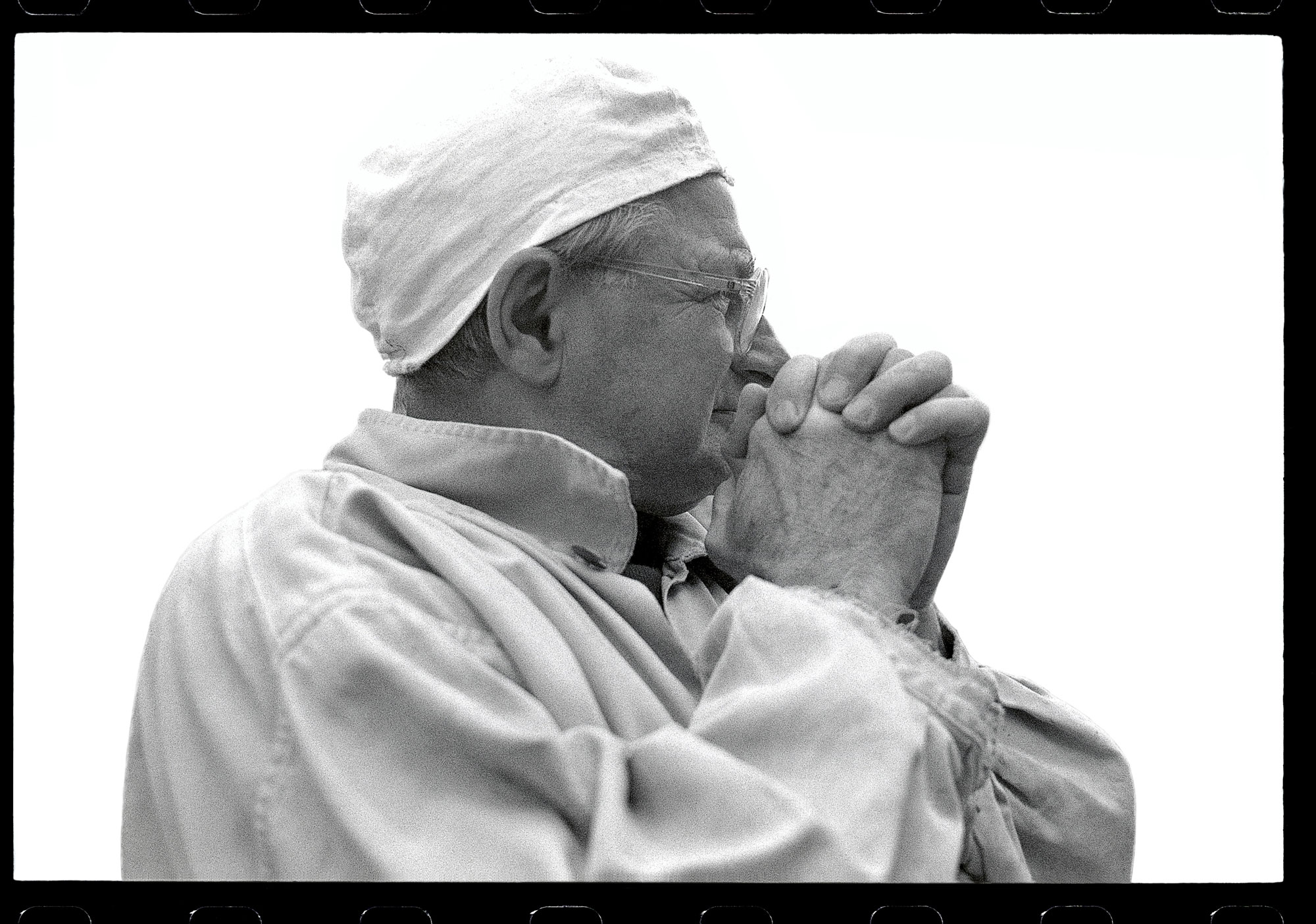
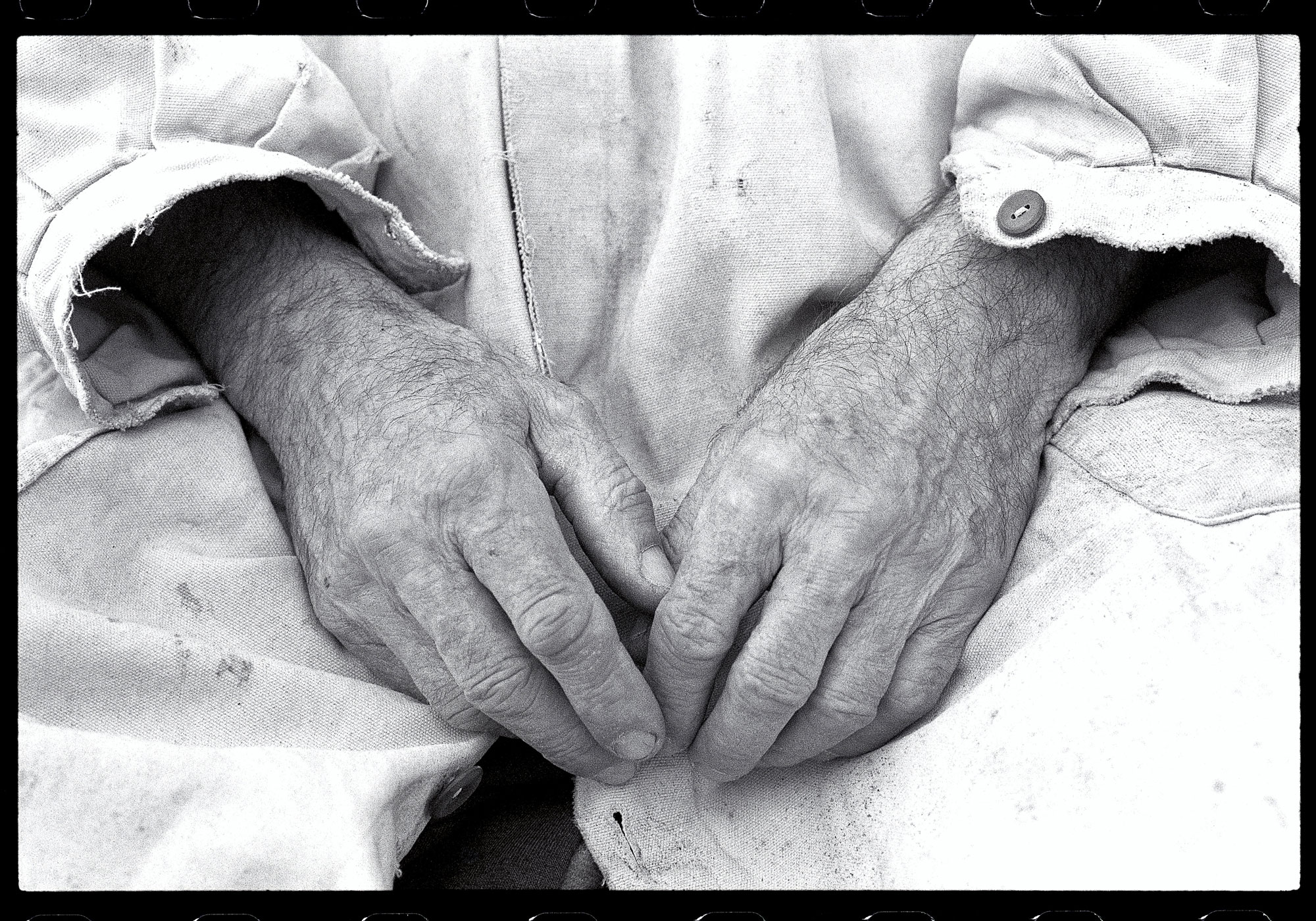
With this exhibition we defend from oblivion this exceptionally precious photographic heritage—intimate yet powerful portraits of Branko Ružić—portraits which, after the exhibition closes, will remain in our collection so that they may be presented in future program activities of the Gallery.
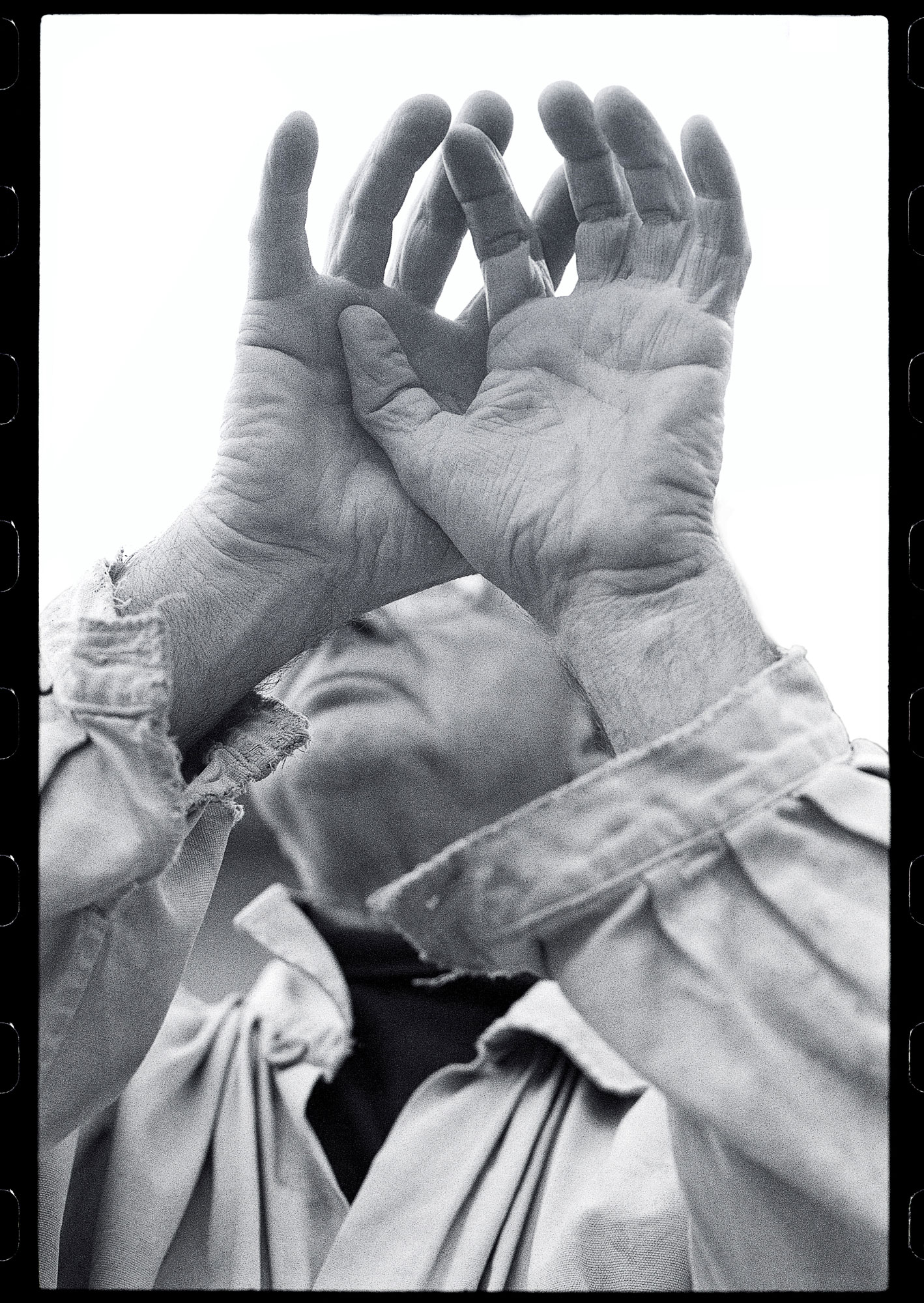
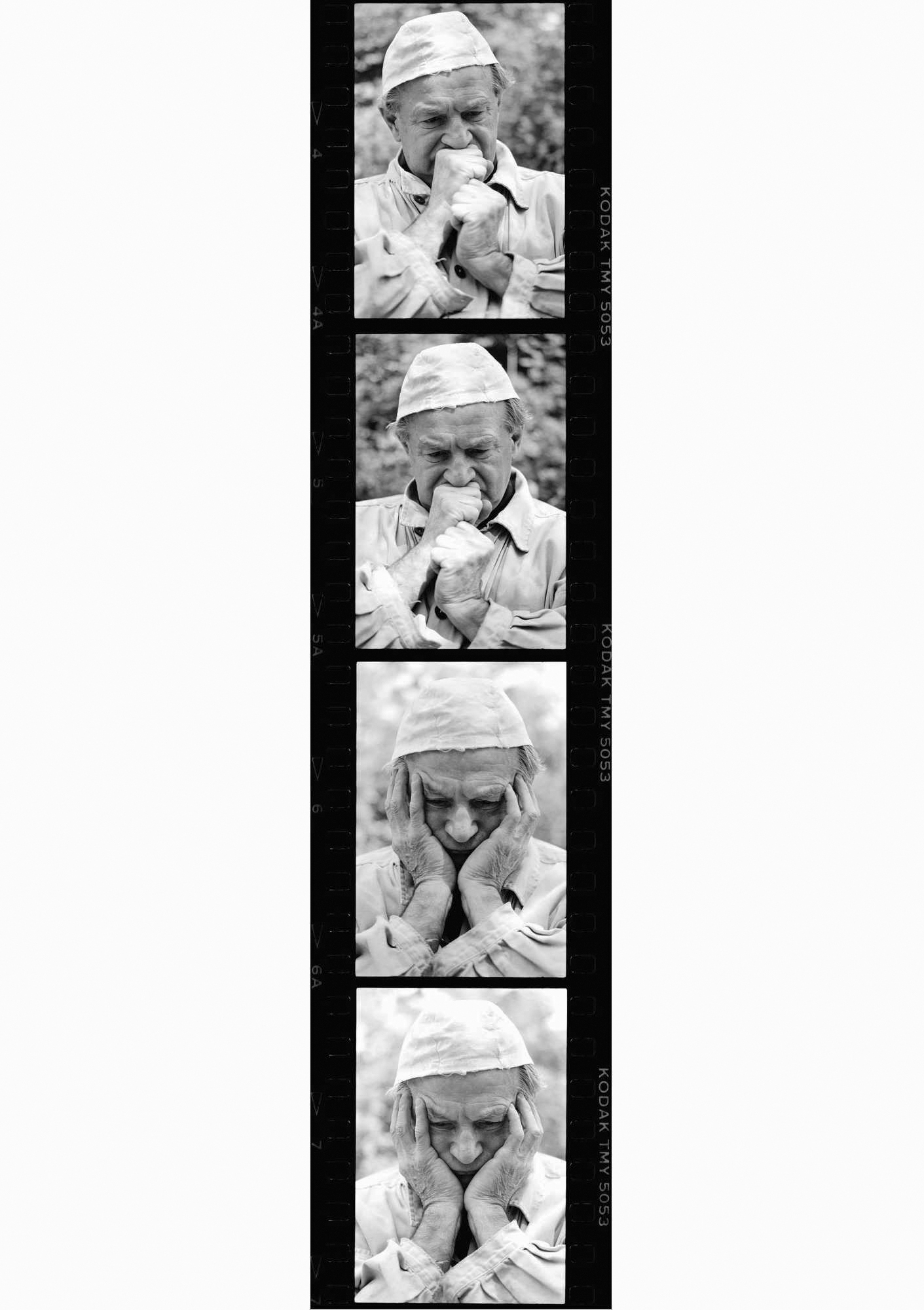
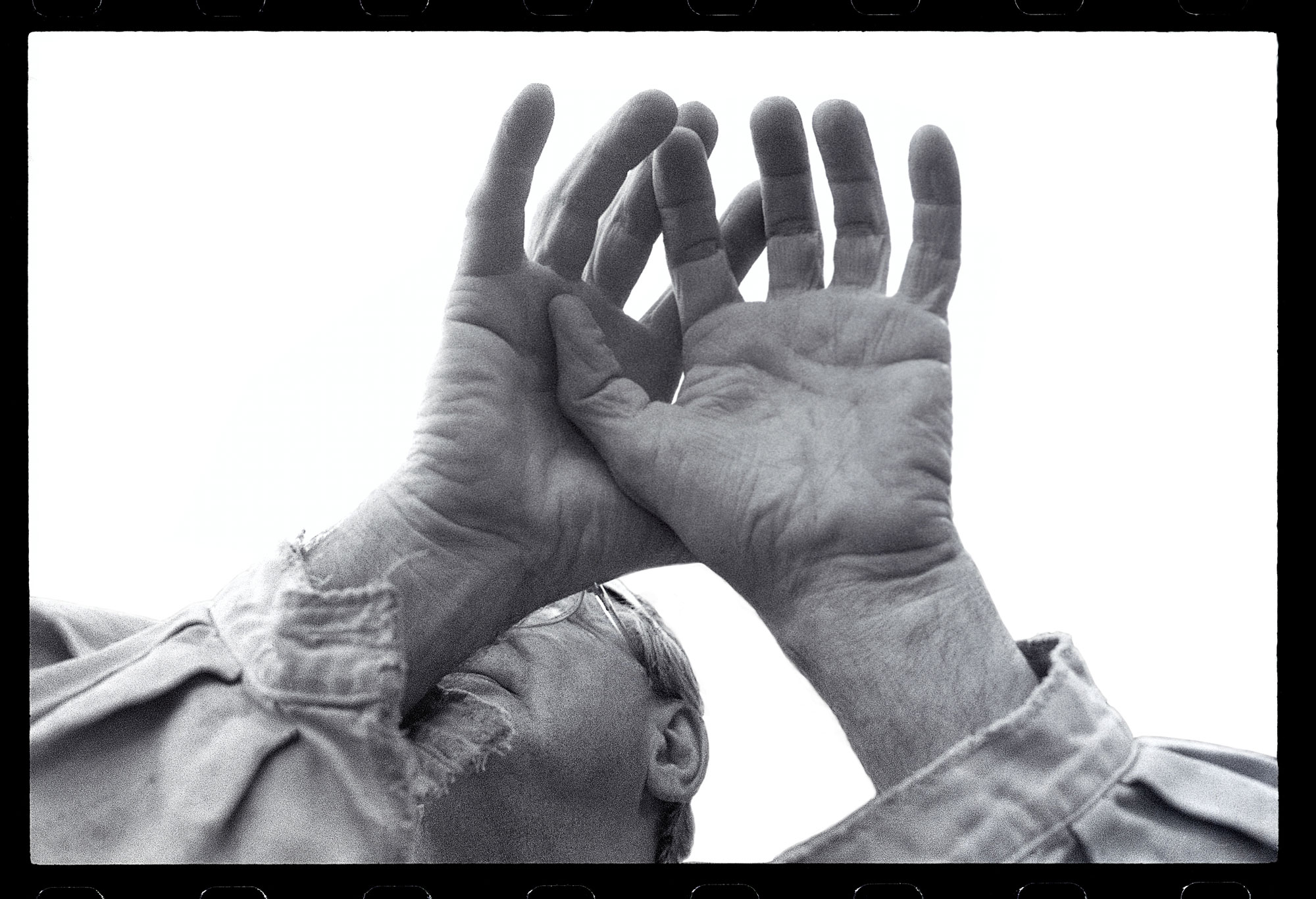
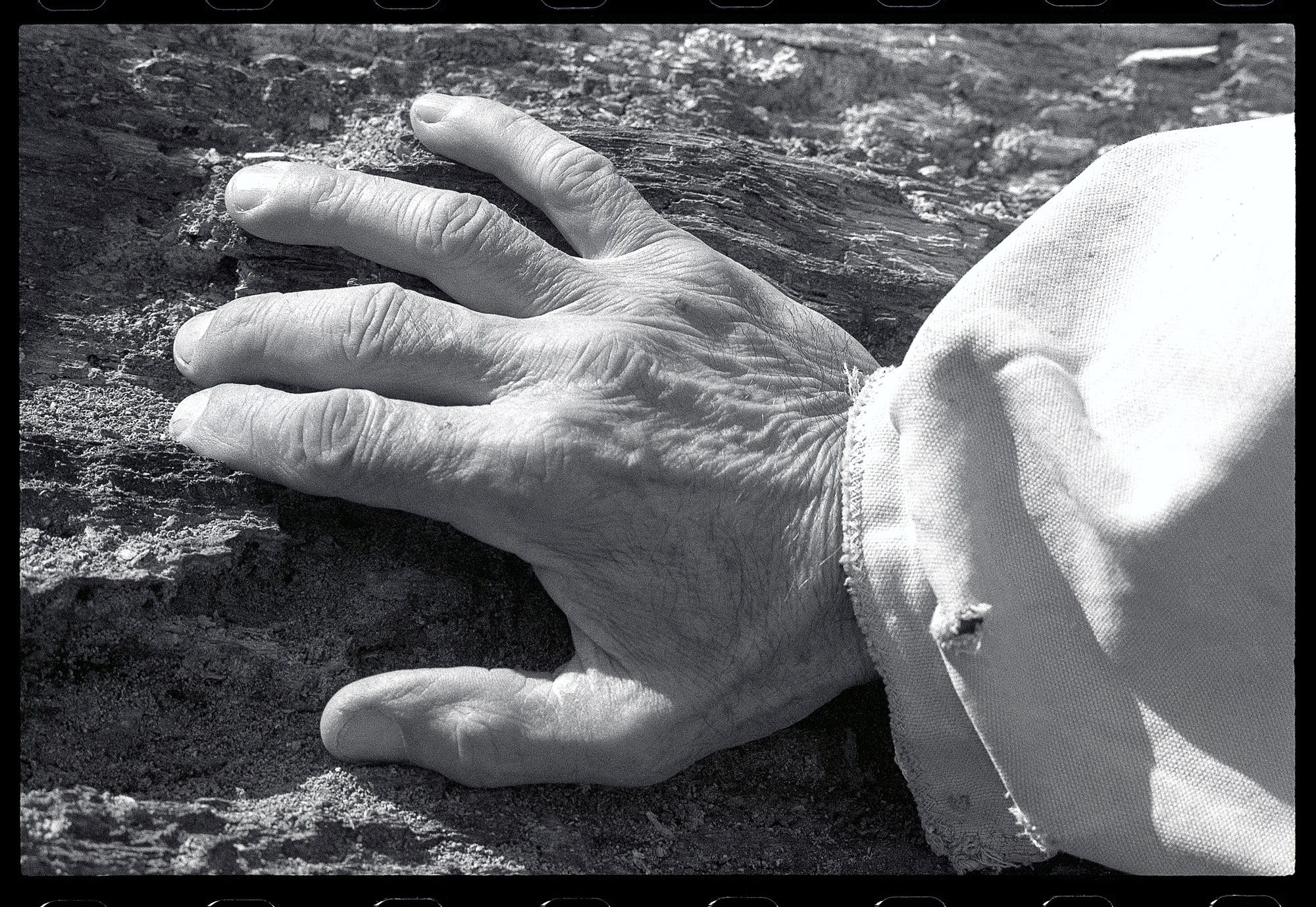
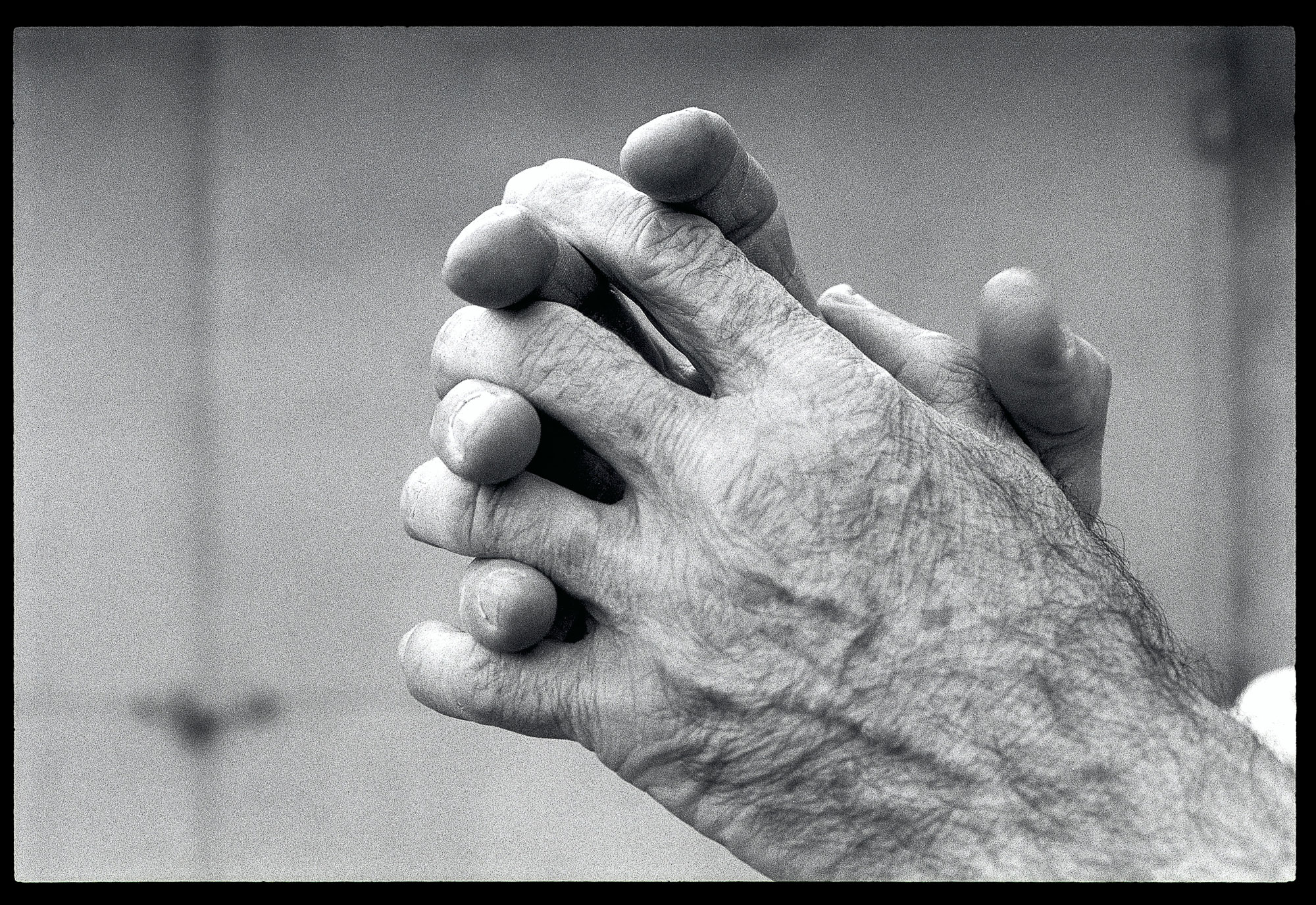
Although these photographs preserve our memory of the artist’s likeness, the portraits of Branko Ružić before us are by no means stereotypical, nor are they devoid of creative freedom. In them, Bavoljak creates the atmosphere of a conversation conducted just beyond the frame of the image. They are studies of time and of the artist’s everyday life as it unfolds before the camera. Taken in Ružić’s studio and in front of it, at 76 Voćarska Street in Zagreb, intimate details immediately catch the eye: in some of them the viewer witnesses the artist’s thought process, acknowledging the small moments that make up artistic practice—the way he gazes at the sky, invoking inspiration, the slight smile that forms at the corner of his lips. These are images of an artist immersed in his own thoughts, solitary, somewhat melancholic, and above all magical. By photographing Branko Ružić, Bavoljak makes the invisible visible; he brings to the surface all those traits of Ružić’s character, almost identical to the words with which Ivo Šimat Banov describes Ružić in his essay The Man in Brod: “He was always in a state of heightened sensitivity, in a state of latent inspiration. He did not await miracles or
fortunate moments of revelation; he set out in search of them. He was a creator of miracles. He knew how to preserve the gift of surprise and to give ordinary, everyday things the contours of a miracle. Enchanted by life and its forms, involved in life, he created it anew and tirelessly.” (2004, Vijenac 271)
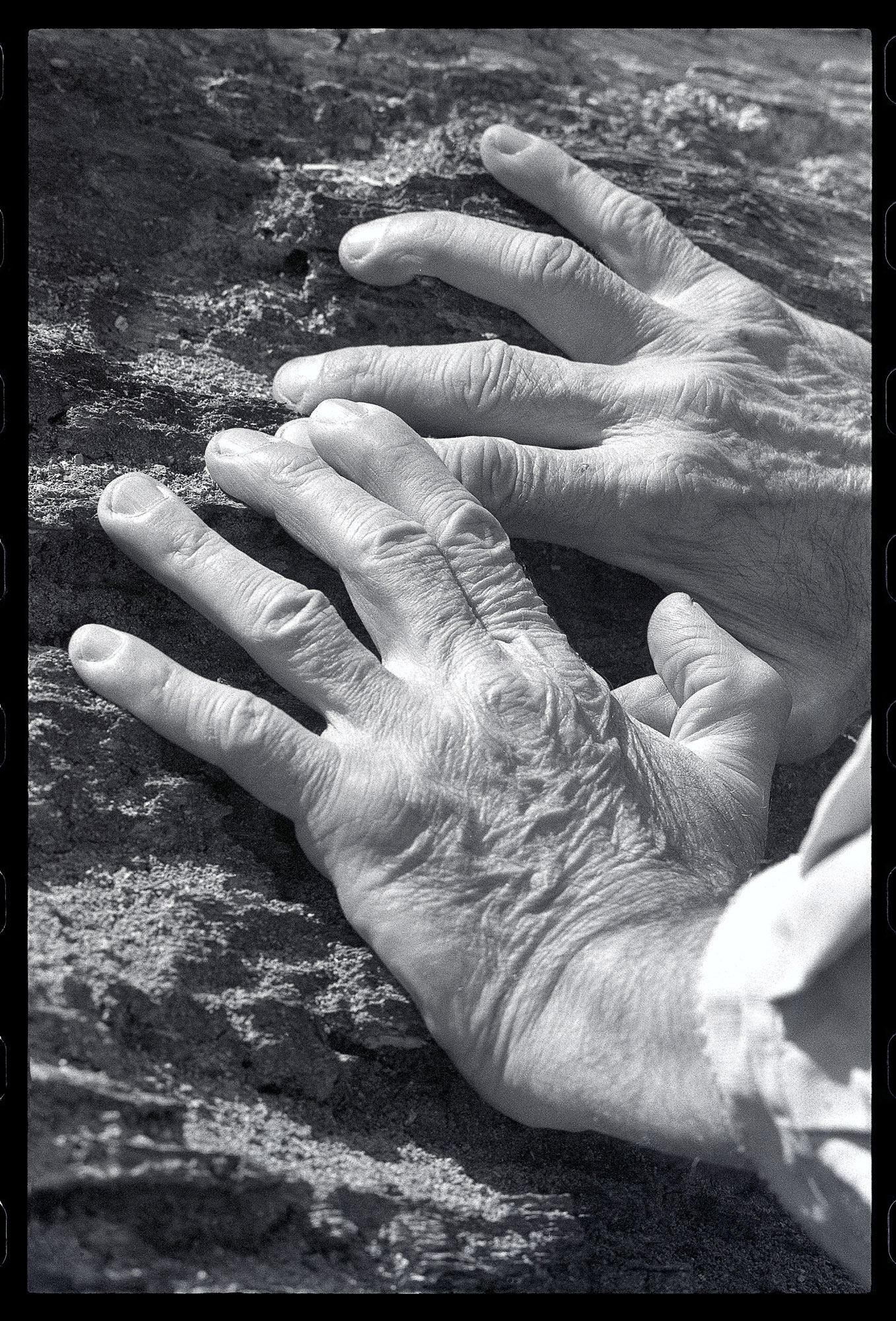
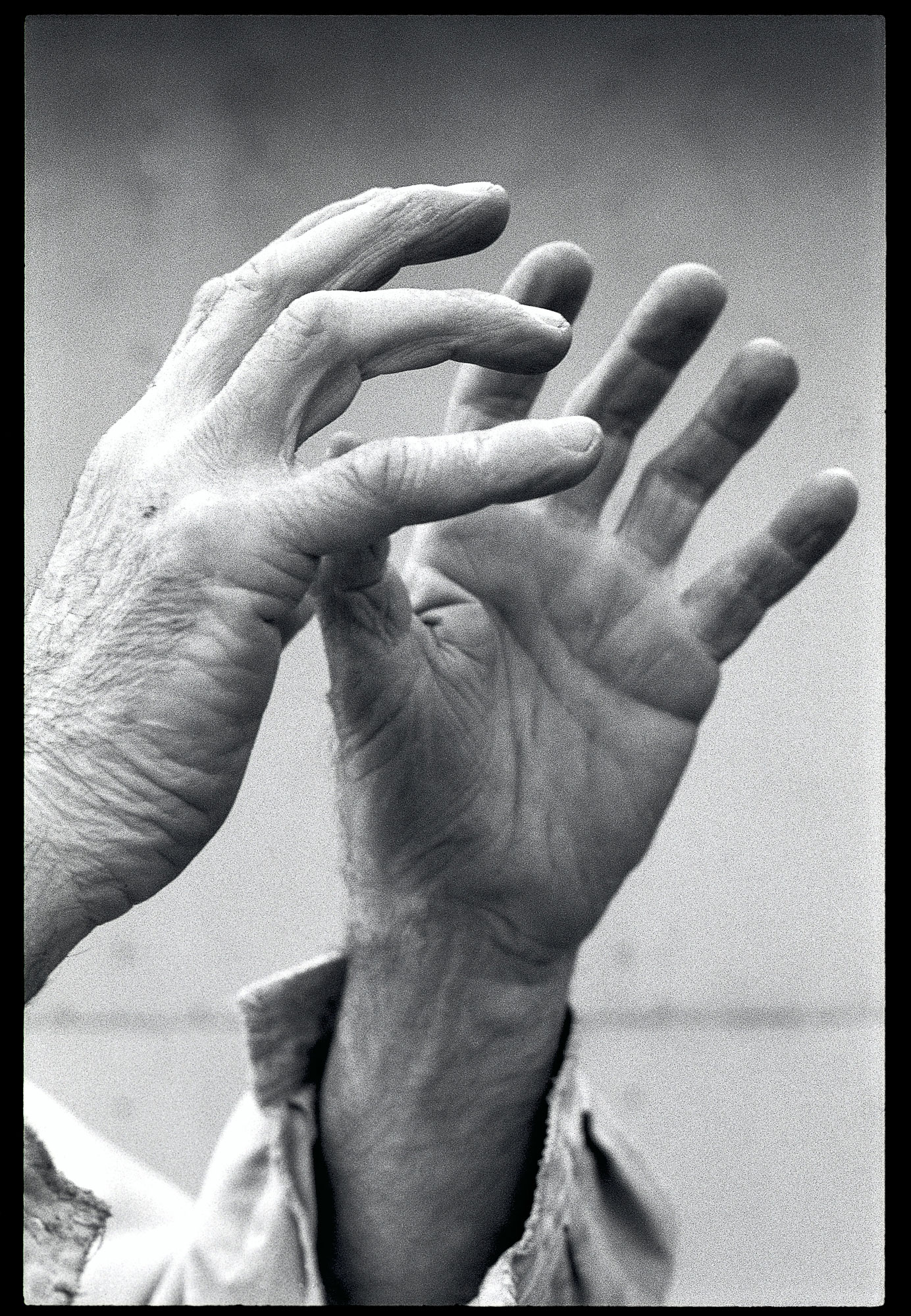
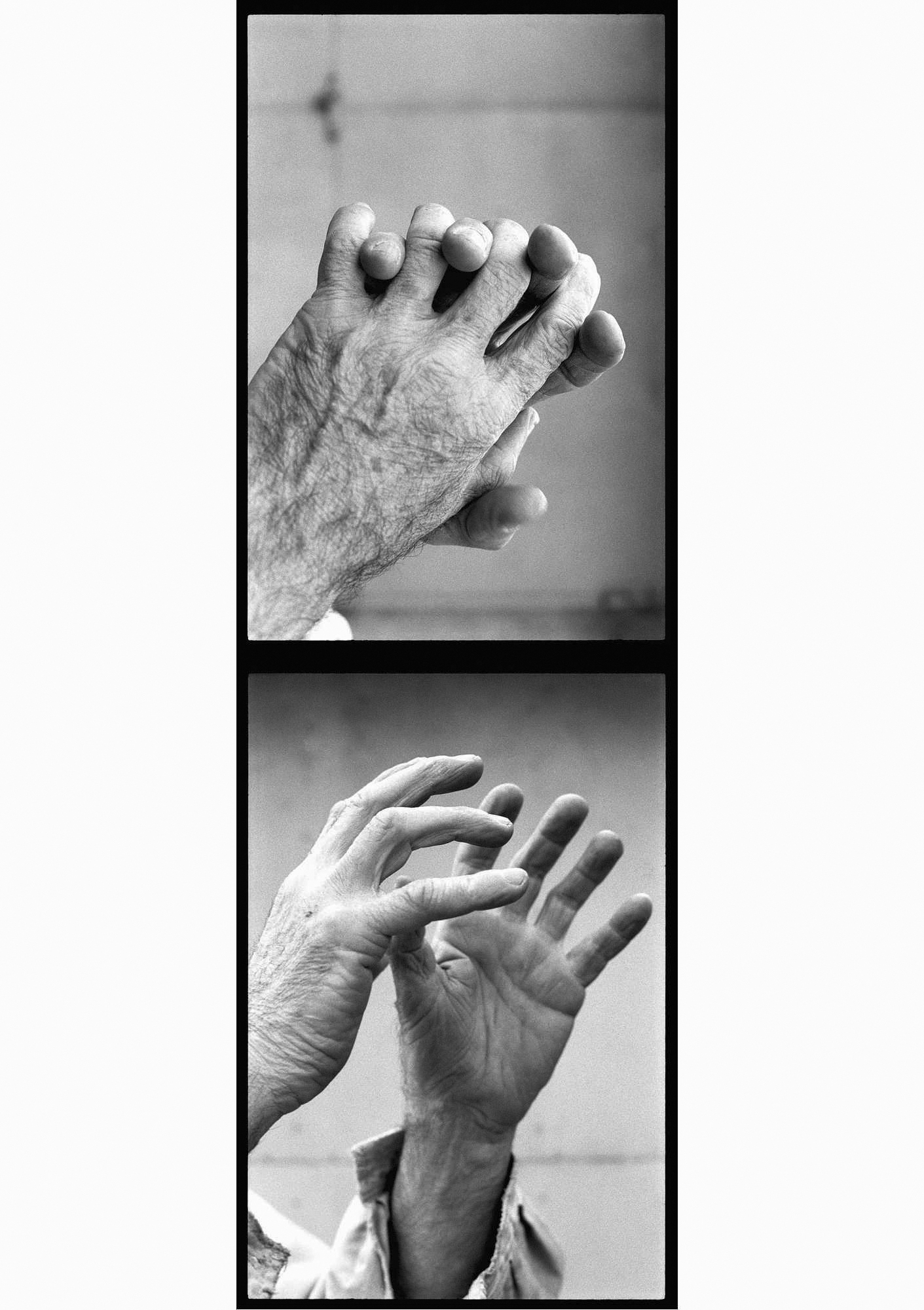
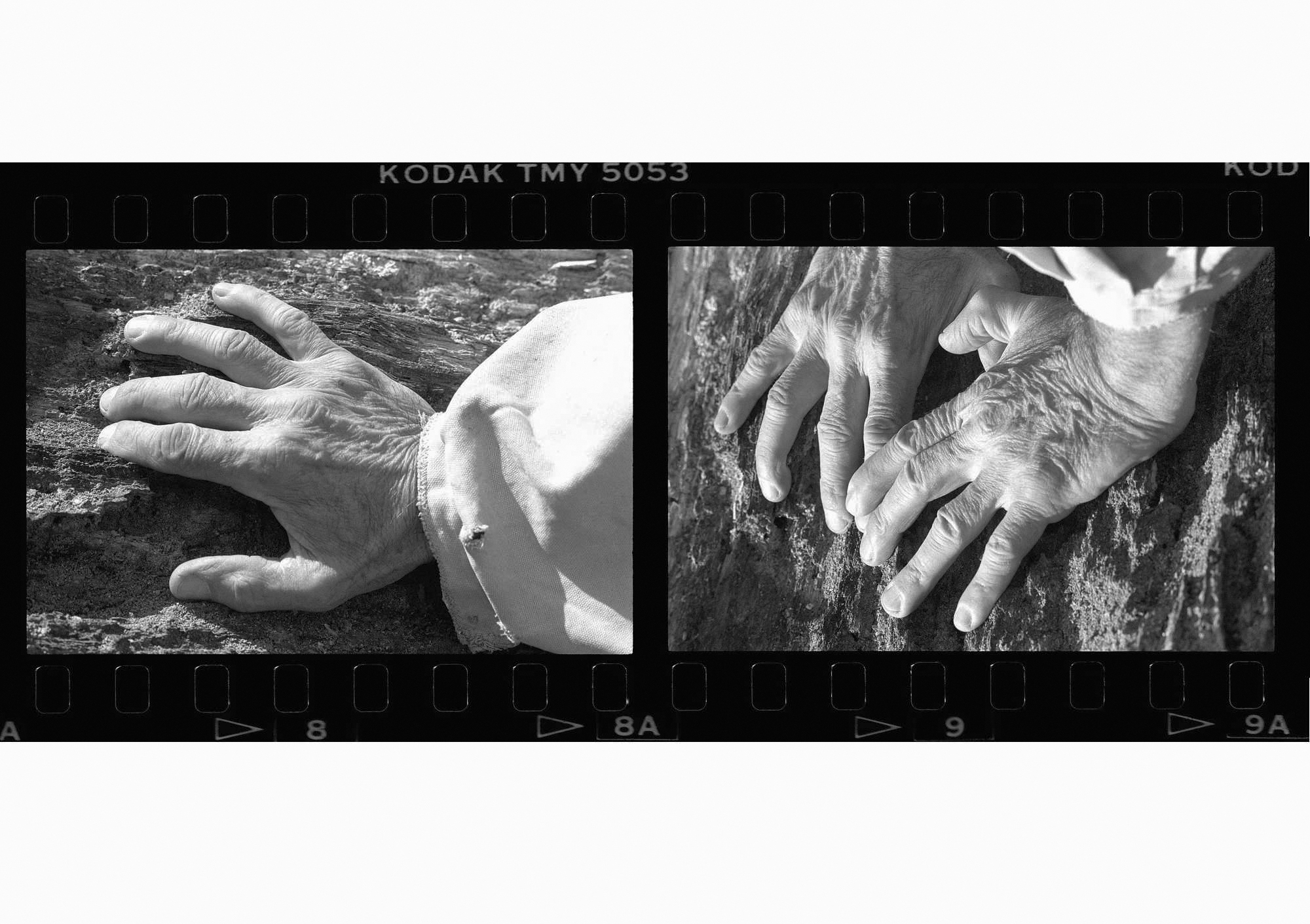
Part of the photographs in the exhibition thematically connects to a frequently interpreted motif in Ružić’s sculpture. A symbol of creation, and at the same time a sculpturally compelling form of the larger volume of the palm and the elongated, smaller volumes of the fingers that intertwine with one another, the hand in Ružić’s sculpture becomes almost a plastic sign enclosed within its own harmonies. These are the same hands from his poetic text:
Everything began with hands.
Some people thought
that hands grow from the shoulders.
But they grow from the heart.
That is why we shake hands.
If hands had no fingers,
history would have taken a different course.
Hands became entangled, two set out
from the heart. And from two came three
and thirty. And it was proven that in this branching
of fingers everything changes place, and the heartbeat
resounds through the entire chain that circles
the world.
“The key to viewing a photograph is the thought of the eye behind the lens,” Marina Viculin once wrote in the foreword to an earlier photographic exhibition. Reflecting on Bavoljak’s photographs, I think of the fortunate circumstance he mentions in the first sentence of his text on this exhibition: situations in life in which people recognize one another immediately are very rare. Without the friendship between these two artists, without a genuine understanding of the inner life of the one photographed, these photographs would be merely a memory of the artist’s outward appearance. As it is, they are a window into his soul.
Romana Tekić
Branko Ružić and I
There are very few situations in life in which people recognize one another immediately, at first encounter.
It all began when I first visited Branko’s studio. After photographing several of his works in the studio on Voćarska Street, we sat down and talked. As I was preparing to leave, Branko went to fetch his monograph and wrote a dedication: “To my dear, and I hope lifelong, collaborator Darko Bavoljak, Zagreb, 26 March 1991. Branko Ružić.” At our next meeting he suggested that we address each other informally. Thus began a collaboration and friendship that lasted intensely until his departure from this world. I photographed his works for catalogues and a monograph, and I also actively participated in what was to him the most important project of his life, The Ružić Gallery and Contemporaries, which was then in the making. With each new collaboration we grew closer; he encouraged my authorial work, and our companionship became ever more intense. As he had numerous health problems in life, he feared death and often repeated how long it had taken him to find his artistic expression, and that after having found it with such difficulty he would have to die, without managing to realize everything he had wished.
On the morning of 27 November 1997 I came to his house. It was a gloomy day, and he was in a bad mood. He complained that he had to go to the Zagreb City Assembly to submit a request, and that it was difficult for him. I suggested that I do it for him, which he accepted. He took a pencil and wrote a request to be relieved of his duties on the commission for the selection of the sculpture of Marko Marulić in front of the Croatian State Archives. Unfortunately, this was the last activity in his exceptionally dynamic and active life—an act by which he honorably and consistently took leave of life, as he did not wish to participate in the selection of a monument with which he did not privately agree.
Now, more than a quarter of a century since Branko has been gone, I take the opportunity to present for the first time a series of his portraits in the Gallery that bears his name, in his hometown, in order to pay tribute through this exhibition to him and to the significance of his oeuvre within twentieth-century Croatian art.
Darko Bavoljak
5 December 2023
black and white photographs Ink-jet print on a paper base.
Measuring 100 x 70 centimetres
Property: Gallery Ružić, Gallery of the city Slavonski Brod